Three days in Barcelona is enough for a first visit: Gaudí on day one, the Gothic Quarter and the beach on day two, and Montjuïc or Montserrat on day three. The four big paid sights cost about €90 (about $100) per adult at October 2026 prices. Book the Sagrada Família first, or let the combined Sagrada Família and Park Güell guided tour book both day-one entries with free cancellation.
That plan covers Gaudí’s Sagrada Família and Park Güell, the medieval lanes of the Gothic Quarter, an afternoon by the sea and a view over the whole city from Montjuïc. The basilica comes first because its timed tickets go fastest, and the combo tour can be cancelled up to 24 hours ahead. We checked every price and opening time below on the official sites on October 30, 2026, and converted at €1 = $1.11.
Barcelona in 3 days at a glance
| Day | Area | Main sights | Paid entry per adult (Oct 2026) |
|---|---|---|---|
| 1 | Eixample and Gràcia | Sagrada Família, Park Güell, Casa Batlló on Passeig de Gràcia | €26 + €18 + from €29 |
| 2 | Gothic Quarter, El Born, the waterfront | Cathedral quarter, Santa Maria del Mar, Picasso Museum, La Boqueria, Barceloneta beach | Picasso Museum €12 online (optional) |
| 3 | Montjuïc, or Montserrat | Funicular and cable car, Montjuïc Castle, the terraces of the Palau Nacional, the Magic Fountain | Cable car €17.10 round trip online |
That’s €90.10 (about $100) per adult for the four big tickets, or €102.10 (about $113) with the Picasso Museum. Families pay much less: children under 11 enter the Sagrada Família free, under-7s get into Park Güell free, and under-18s enter the Picasso Museum free. Add €10 if you want a Sagrada Família tower.
What should you book before you fly to Barcelona?
Barcelona’s headline sights sell timed tickets, and the best slots go first. Book in this order:
- The Sagrada Família. Tickets are for a set time slot and go on sale roughly two months ahead. Aim for a morning slot, which leaves the afternoon for Park Güell. Our Sagrada Família tickets guide compares the ticket types, towers and tours.
- Park Güell. Tickets are sold online only, with a 30-minute window to enter. Pick a slot at least two and a half hours after your Sagrada Família time. Our Park Güell tickets guide has the 2026 hours and every ticket option.
- Casa Batlló, a flamenco show and any day trip. These usually have more availability, but small-group tours cap their numbers, so book them before you fly too.
The easy shortcut is the Sagrada Família and Park Güell combo tour: one booking covers both entries and an English-speaking guide at each site, in about 3 hours. You get yourself between the two; the operator recommends a taxi.
Day 1: the Sagrada Família, Park Güell and Passeig de Gràcia
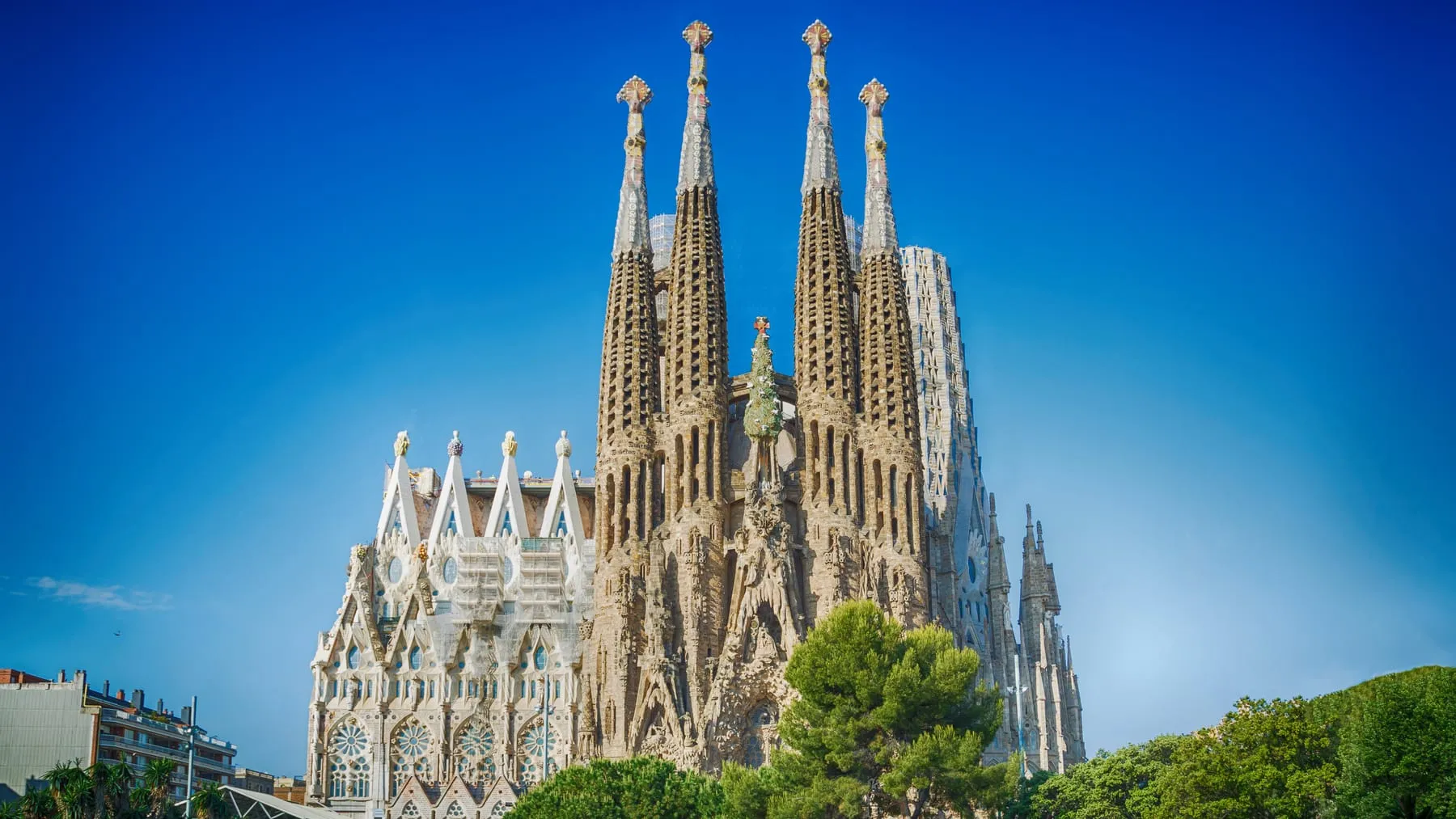
Morning: the Sagrada Família
Start at the basilica when it opens: 9 am Monday to Saturday and 10:30 am on Sunday, closing at 6 pm from November to February and later in spring and summer, according to its opening times page. Take metro L2 or L5 to Sagrada Família station.
| Ticket | Price (adult) | What you get |
|---|---|---|
| Basilica with audio guide app | €26 (about $29) | Basilica and museum |
| With a tower | €36 (about $40) | Adds the lift up one tower and the spiral stairs down |
| With a guided tour | €30 (about $33) | Official guide, languages depend on the slot |
| City Wonders guided tour | See the card below | 75 minutes in English, entry included, free cancellation up to 24 hours ahead |
Official prices are from the basilica’s price list. For a first visit we’d book the City Wonders Sagrada Família guided tour with skip-the-line access: an English-speaking guide makes sense of the façades and the stained glass, and you can still cancel the day before. The basilica enforces a dress code: shorts and skirts must reach at least mid-thigh, and swimwear and bare feet aren’t allowed.
Midday: lunch, then up to Park Güell
Have lunch in the Eixample, then head north. A taxi is the quickest way up the hill. By metro, take L5 from Sagrada Família to Diagonal, change to L3 and ride to Lesseps, then walk about 20 minutes uphill to the park’s Avinguda del Santuari de Sant Josep de la Muntanya entrance, which has escalators.
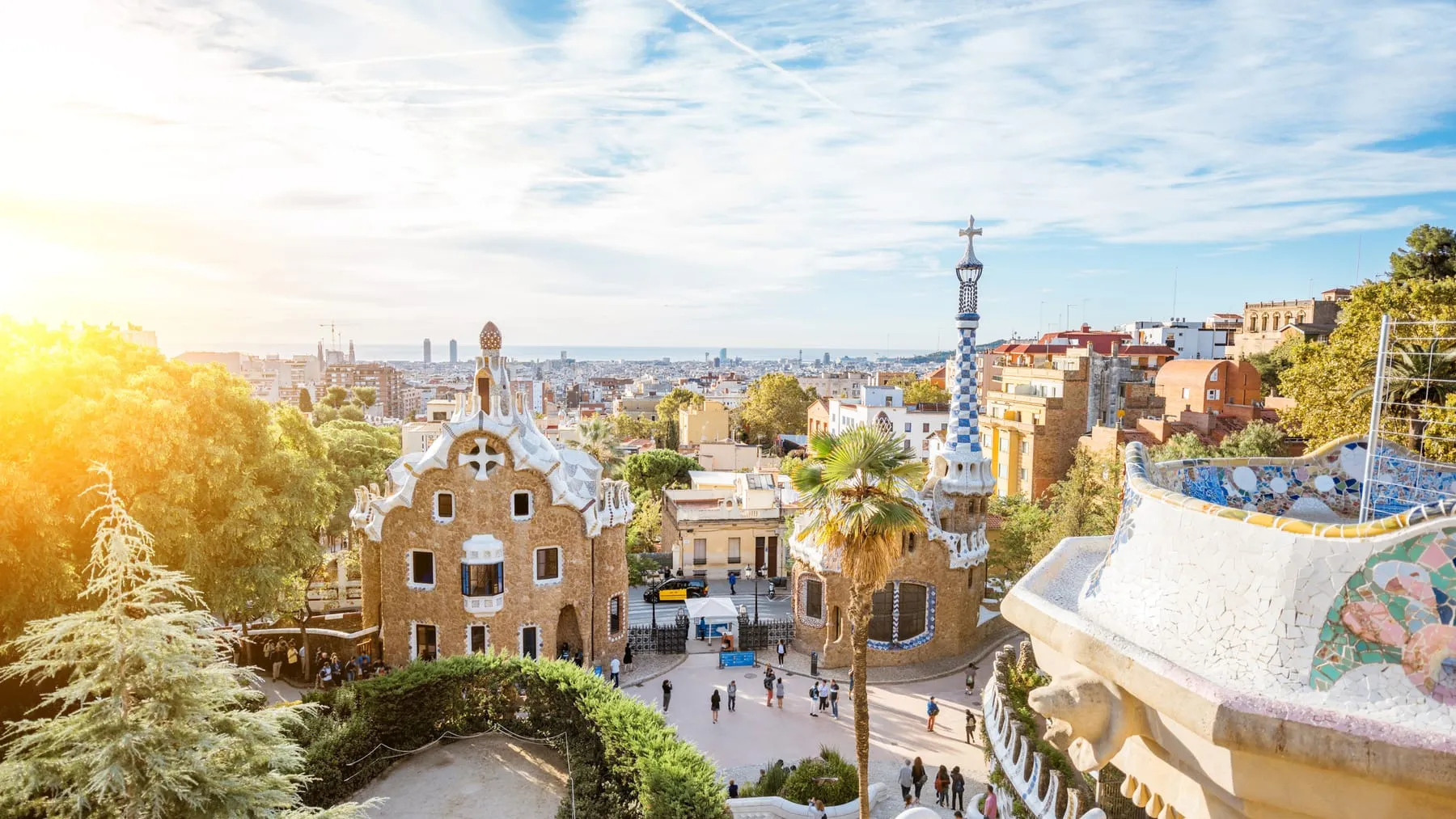
Afternoon: Park Güell
An adult ticket costs €18 (about $20), and children 7 to 12 and visitors 65 and over pay €13.50, according to Park Güell’s prices page. You get 30 minutes after your slot to enter, and you can stay as long as you like. From October 25 to December 31, 2026, the last slot is 5:30 pm; from March 29 to October 24 it’s 7:30 pm. Before 9:30 am and in the evening, the park is open only to local residents.
Allow about an hour and a half for the Dragon Stairway, the Hypostyle Room and the Nature Square with its mosaic bench and view over the city. The City Wonders Park Güell guided tour includes entry and an English-speaking guide, then leaves you free time to stay on.
Evening: Casa Batlló and Passeig de Gràcia
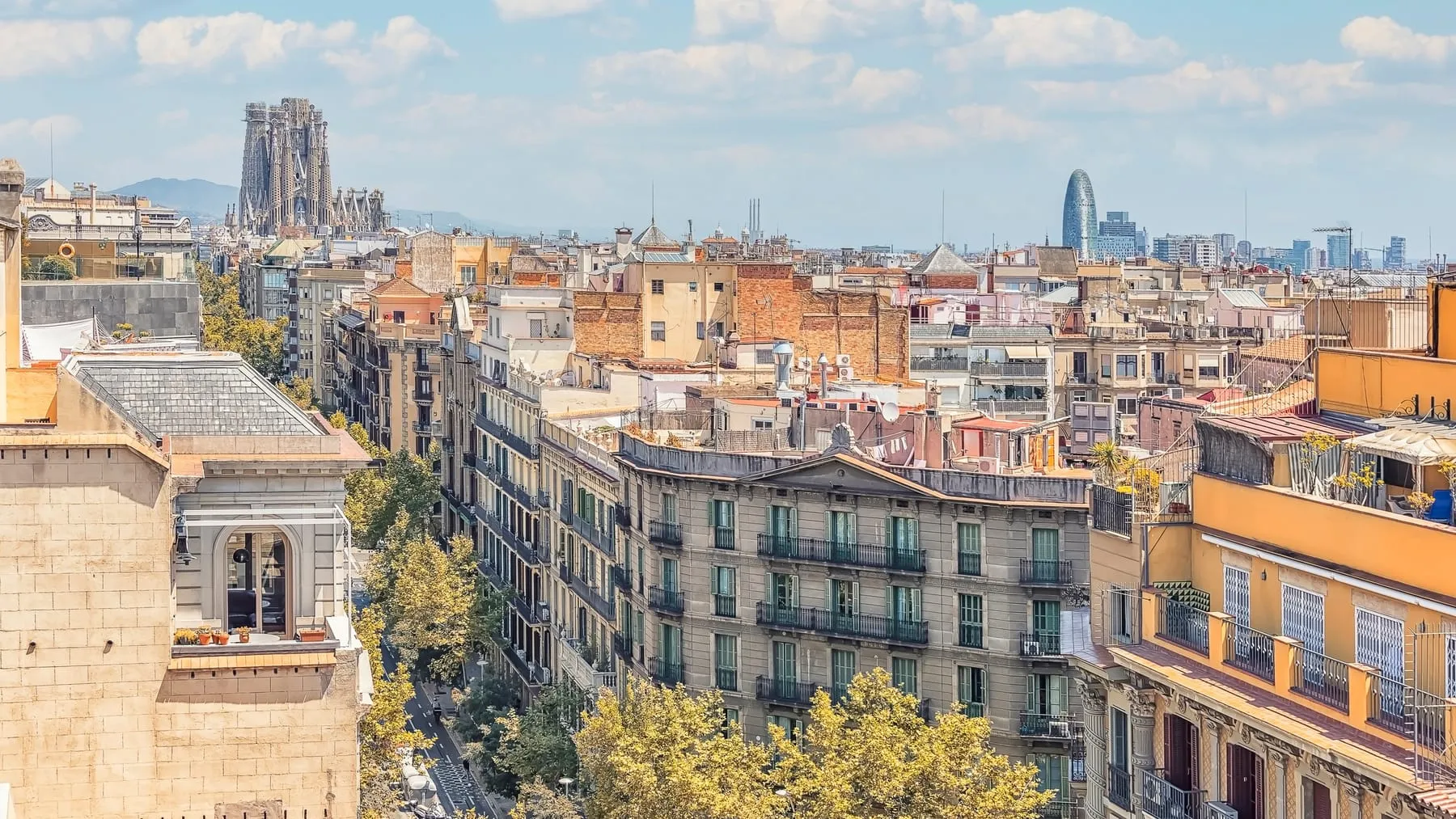
Ride L3 from Lesseps to Passeig de Gràcia for the city’s grandest boulevard, lined with Modernista buildings. Casa Batlló, Gaudí’s house with the dragon-scale roof, is open every day from 9 am to 10:30 pm. The general visit costs from €29 (about $32) and the night visit, with a glass of cava, from €25 (about $28), according to Casa Batlló’s ticket page. An evening slot fits this day well. Book the Casa Batlló admission ticket with audio guide for a timed entry you can show on your phone. Casa Milà, also called La Pedrera, is a short walk up the same street if you want to see a second Gaudí façade from outside.
Dinner comes late here. The city council says locals eat lunch between 2 and 3 pm and dinner from 9 pm onward, even around 10 pm, so book a table for 8:30 pm or later if you want company in the room.
Day 2: the Gothic Quarter, El Born and the beach
Morning: the Gothic Quarter
Spend the morning in the Barri Gòtic, the medieval core around the cathedral. The cathedral charges for tourist visits outside worship times, and the paid visit includes access to the roof. From the cathedral square, walk Carrer del Bisbe under its carved stone bridge, then on to Plaça del Rei and Plaça Sant Jaume, where the city hall and the Catalan government face each other.
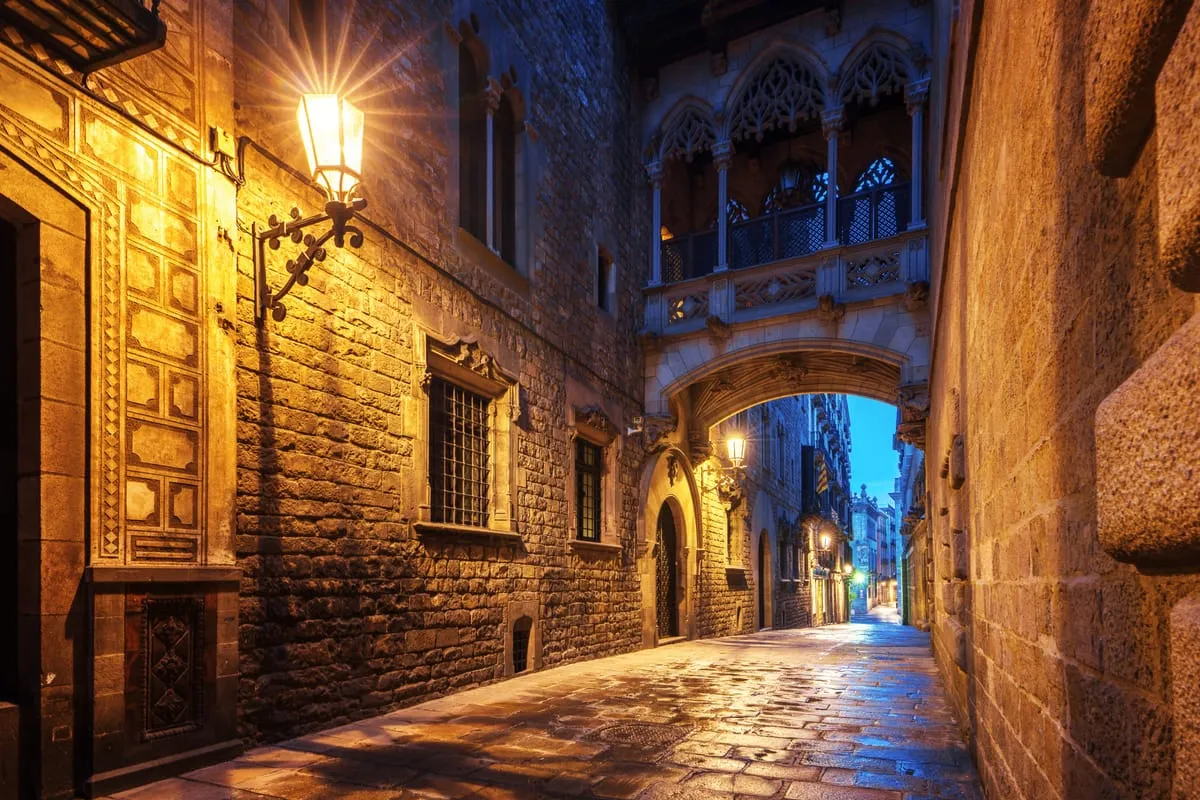
These streets are a maze, and a guide saves you from walking in circles. The Barcelona Old Town and Gothic Quarter small-group tour caps groups at 12 and covers the Gothic Quarter, Plaça del Rei, El Born and Santa Maria del Mar in about 2 hours, with free cancellation up to 24 hours ahead.
Late morning: El Born and the Picasso Museum
Cross Via Laietana into El Born for the Gothic church of Santa Maria del Mar and the Picasso Museum on Carrer de Montcada, which focuses on the painter’s early years. A ticket costs €12 (about $13) online or €13 at the ticket office, and under-18s go free. The museum is open Tuesday to Sunday from 10 am to 7 pm and closed on Mondays, according to the museum’s ticket and hours page. Entry is free on Thursdays from 4 to 7 pm and on the first Sunday of the month, but you have to reserve those free slots, which open four days ahead at 10 am.
Lunch: La Boqueria and La Rambla
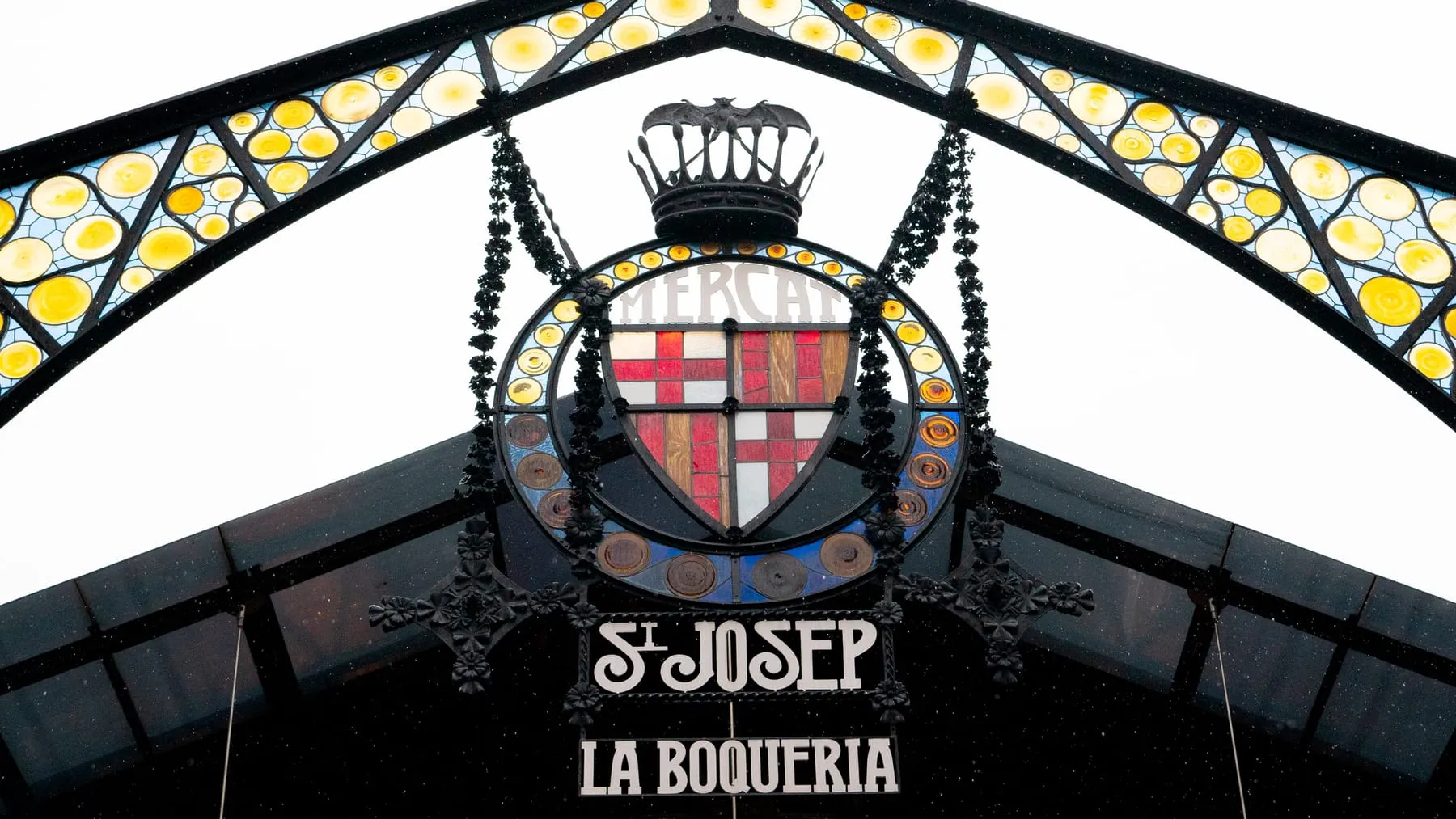
Walk west to La Rambla and La Boqueria, the city’s best-known food market, for a counter lunch of jamón, seafood or fruit. The market is closed on Sundays, so swap this for a tapas bar in El Born if day two falls on one. Keep your phone and wallet zipped away on La Rambla and in crowded markets, where pickpockets work the crowds.
Afternoon and sunset: Barceloneta beach
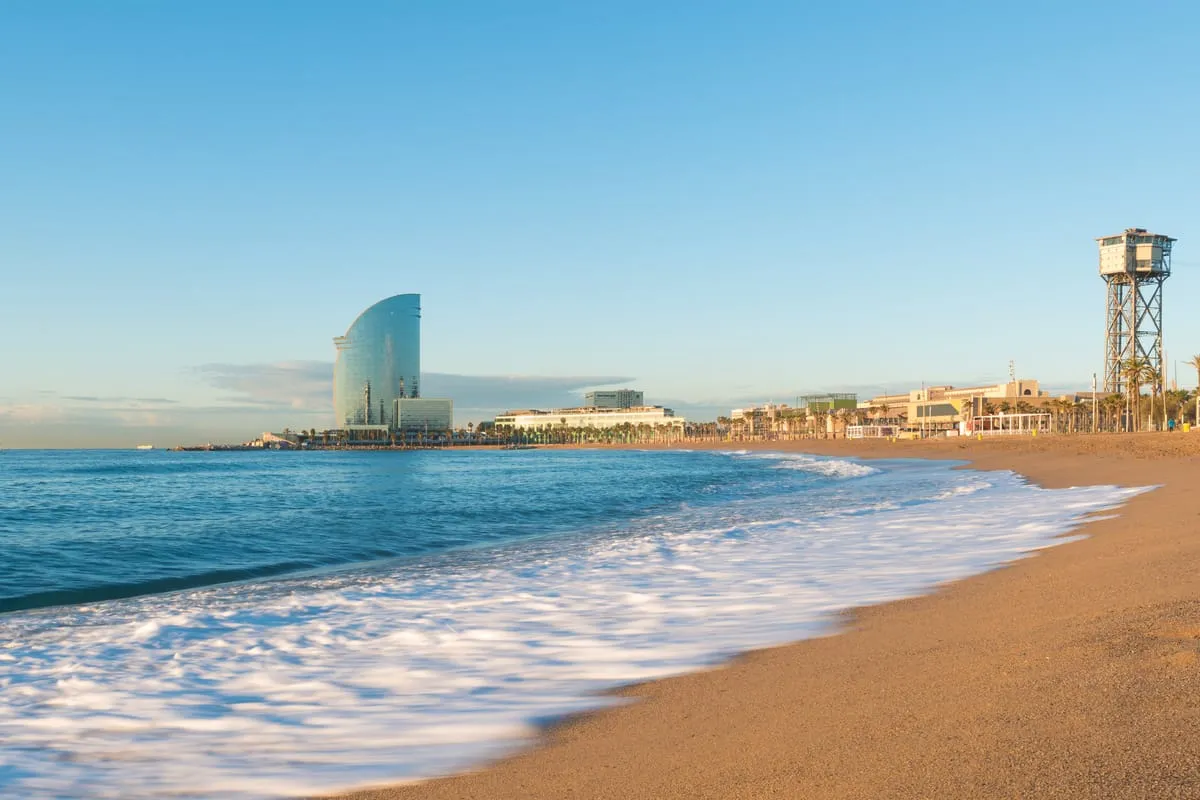
Head down to the waterfront and the beach at Barceloneta. In summer, swim; the rest of the year, walk the promenade toward the sail-shaped W hotel. For the best view of the skyline, get out on the water at sunset: the Barcelona sunset sailing trip with an open bar of cava and snacks sails along the coast as the light goes.
Evening: tapas and flamenco
Flamenco comes from Andalusia, not Catalonia, but Barcelona has well-established tablaos, and an evening show is a classic end to a first visit. If you’d rather have a guide choose the tapas bars on another night, our guide to Barcelona food tours compares the tapas, wine and paella options. Two ways to do the show:
- Tapas and a show in one: the Gothic Quarter tour with tapas and a flamenco show combines an old-town walk with tapas and a live performance in one booking.
- Just the show: Flamenco Night at Tablao Cordobés on La Rambla offers options from the show with a drink up to the show with dinner.
Day 3: Montjuïc or Montserrat
Option A: Montjuïc
Montjuïc is the green hill above the port, and it gives you castle walls, gardens, museums and the widest view of Barcelona without leaving the city.
- Ride the funicular. Take metro L2 or L3 to Paral·lel and change to the Montjuïc funicular, which is covered by a regular metro ticket, according to TMB.
- Take the cable car to the castle. The Montjuïc cable car runs from Parc de Montjuïc to Montjuïc Castle. A round trip costs €17.10 (about $19) online or €19 at the ticket office, and a one-way ride costs €12 (about $13), sold only at the ticket office. It runs 10 am to 6 pm from November to February, to 7 pm in March to May and October, and to 9 pm from June to September.
- Walk down through the gardens. From the castle, walk down past the Joan Miró Foundation to the Palau Nacional, home of the National Art Museum of Catalonia, whose front terraces look straight down the cascades to Plaça d’Espanya.
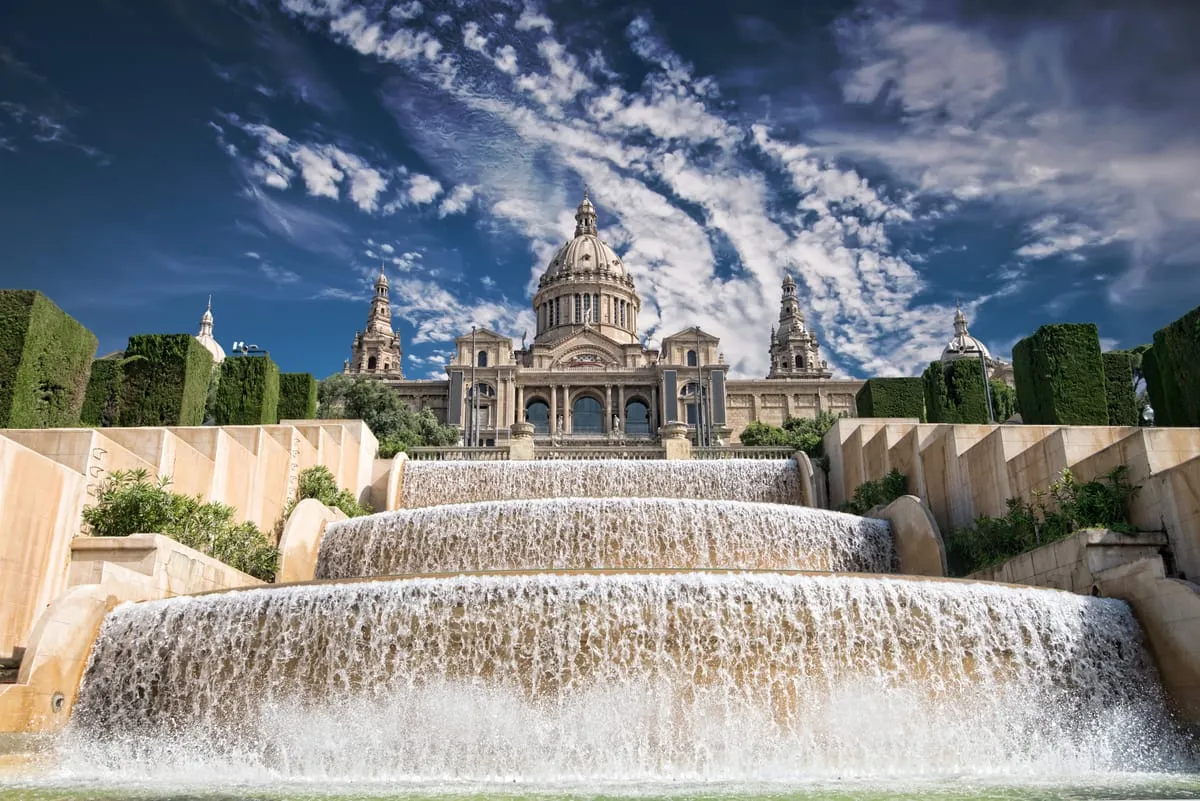
- Stay for the Magic Fountain. The fountain below the Palau Nacional puts on free music and light shows on set evenings, which in winter the city lists as Thursday to Saturday. It shuts for annual maintenance in the first half of November, so check the city’s Magic Fountain page for show times before you plan your evening around it.
Option B: a half day at Montserrat
Montserrat is a Benedictine monastery set among jagged rock peaks about an hour northwest of the city, and it’s the classic Barcelona day trip. By public transport, FGC trains leave Plaça d’Espanya every hour; the rack railway company puts the trip at about 90 minutes, with 60 minutes on the train and 20 on the rack railway and transfer. Its Trans Montserrat ticket, which bundles the train and the rack railway or cable car, starts at €50 (about $56).
If you’d rather not handle the connections, the Montserrat half-day trip with cable car and easy hike takes up to 8 people per minivan from Barcelona, rides the cable car up and includes a guided visit to the monastery and basilica, in about 6 hours. You’re back in the city with time left for the Magic Fountain or a last dinner. Our Montserrat day trip guide compares the train, the cable car and the tours in detail, with the boys’ choir times.
How do you get around Barcelona?
Barcelona’s metro covers everything in this itinerary except the last climbs to Park Güell and Montjuïc. These fares are from TMB, checked in October 2026:
| Ticket | Price | Good for |
|---|---|---|
| Single ride | €2.90 (about $3) | One metro or bus trip, or the Montjuïc funicular |
| T-casual, 10 rides | €13 (about $14) | One person, the best value for this itinerary |
| Airport ticket | €5.90 (about $7) | One metro ride to or from the airport stations on line L9 Sud |
Over three days you’ll take about eight to ten rides, so one T-casual per person covers it. It isn’t valid at the airport metro stations, which need the separate airport ticket. If walking between sights is hard for anyone in your group, read our verdict on whether a Barcelona hop-on hop-off bus is worth it, because Barcelona is the one city in that comparison where our answer is yes.
Where to stay for a 3-day trip
Stay central so each day starts on foot or with a short metro ride:
- Eixample, near the Sagrada Família: the Sercotel Rosellón is a couple of minutes’ walk from the basilica, and its rooftop terrace looks straight at it. It suits a Gaudí-heavy trip and an early day-one slot.
- The old town, near Plaça de Catalunya: the Kimpton Vividora, an IHG hotel at the edge of the Gothic Quarter, has an outdoor pool and earns IHG One Rewards points. It puts days two and three on your doorstep, and the airport bus and metro hub at Plaça de Catalunya is a short walk away.
Tips for American travelers
- Entry rules. US passport holders can visit Spain visa-free for up to 90 days in any 180-day period. The EU’s Entry/Exit System records your fingerprints and photo at your first Schengen border. The ETIAS travel authorization will cost €20 once it starts, but no start date had been announced when we checked on October 30, 2026, and the EU has promised at least six months’ notice, according to the EU Delegation to the US.
- Tipping. Barcelona’s city council notes that service is included in restaurant prices and that big tips aren’t customary, according to its hours and customs page. Round up or leave a few euros for good service.
- Paying. Cards are accepted almost everywhere. When a card machine offers to charge you in dollars, choose euros: the conversion the machine offers is usually worse than your bank’s.
- Staying connected. Every timed ticket in this plan is a QR code on your phone, and Verizon and AT&T charge $12 a day for international roaming, or $36 for three days. A Spain eSIM from Airalo installs before you fly; use code GUIDEZ15 at checkout if you’re new to Airalo, or GUIDEZ10 if you’ve bought from them before. Our Airalo vs local SIM vs roaming comparison runs the numbers.
Visiting in late fall or winter
The plan works year-round with two changes. Days are short, so in November and December keep the Park Güell slot by early afternoon, before the 5:30 pm last slot, and ride the Montjuïc cable car before it stops at 6 pm. And swap the sunset sail for an earlier departure or an indoor evening: Casa Batlló’s night visit and a flamenco show both work in any weather.
Start with day one: lock in your Sagrada Família time, then your Park Güell slot, or book both at once with the Sagrada Família and Park Güell combo tour. For more timed-entry tactics across a longer Europe trip, see our skip-the-line hacks for Europe. If you’re heading south to Andalusia next, our 2-day Seville itinerary and our guide to Alhambra tickets in Granada cover the timed entries there, which sell out just as fast. And for tapas bars, shops and sights between these stops, open Traveliri’s Barcelona map on Guidez, which is in Hebrew.