Three days in Tel Aviv is enough for the city plus Jerusalem: day 1 in Old Jaffa and on the beach, day 2 at Carmel Market, the White City and Neve Tzedek, and day 3 on a guided trip to Jerusalem’s Old City. For that day, book the Jerusalem Boutique Tour from Tel Aviv, the most-reviewed Jerusalem day trip we found on Viator.
That tour is a small group with a licensed guide, a later start than the big coach tours, and free cancellation up to 24 hours before. Before you book anything, know two facts: Americans need an approved ETA-IL to fly in, and as of October 31, 2026 the U.S. State Department rates Israel Level 3: Reconsider Travel. Both are covered below, along with how Shabbat changes your plans.
Tel Aviv in 3 days at a glance
The plan below keeps each day in one part of the city, so you walk most of it and use buses or taxis only to get across town. Prices were checked in October 2026, with dollar figures at $1 = NIS 3.12.
| Day | Area | Highlights | Getting around | Book ahead |
|---|---|---|---|---|
| 1 | Old Jaffa and the beachfront | Jaffa Port, the old stone alleys, the flea market, sunset on the promenade | Walk, or rent a bike for the seafront path | A bike rental |
| 2 | Carmel Market, White City, Neve Tzedek | Market tasting, Rothschild Boulevard, Bauhaus buildings, Neve Tzedek lanes | Walk; buses cost NIS 8 (about $3) a ride | A market food tour |
| 3 | Jerusalem day trip | Western Wall, Church of the Holy Sepulchre, the Old City’s four quarters | Tour pickup, or the NIS 24 (about $8) train | Jerusalem Boutique Tour |
If one of your three days falls on a Saturday, make that your Jaffa and beach day and keep Jerusalem for Sunday to Thursday. The section on Shabbat explains why.
US travel advisory for Israel (October 2026)
As of October 31, 2026, the U.S. State Department rates Israel Level 3: Reconsider Travel due to terrorism and unrest. The advisory was last reissued on October 22, 2026, and you can read it in full on the State Department’s Israel advisory page.
The advisory lists three Do Not Travel areas, all because of armed conflict:
- Areas north of Route 85 to Route 90 (south) to Route 87, in the far north of the country.
- Within 11.3 km (7 miles) of the Gaza Strip.
- Within 2.4 km (1.5 miles) of the Israel-Egypt border, except the area of the Taba (Menachem Begin) border crossing.
The State Department also says the security environment can change quickly, that violence can occur without warning, and that regional tensions can lead airlines to cancel or limit flights into and out of Israel. U.S. government employees in Israel are restricted from the three areas above without approval from the embassy’s security office.
Two related ratings matter if you look at day tours. The West Bank, which includes Bethlehem, has its own Level 3: Reconsider Travel advisory, last issued in August 2026, and Gaza is Level 4: Do Not Travel. Some Jerusalem tours from Tel Aviv add Bethlehem; the Jerusalem tours we recommend below stay in Jerusalem.
Advisories change. Check the State Department page again the week you fly, and consider enrolling in the State Department’s free Smart Traveler Enrollment Program (STEP) so the embassy can reach you.
Do Americans need a visa for Israel? The ETA-IL
US citizens don’t need a visa for a tourist stay, but since January 1, 2025 every visitor from a visa-exempt country, including the United States, must have an approved ETA-IL (Electronic Travel Authorization) before starting the trip. These are the rules from the Embassy of Israel in Washington, checked October 2026:
| ETA-IL rule | Detail |
|---|---|
| Who needs it | Every eligible visitor of any age, including children and babies |
| Cost | NIS 25 (about $8) per application |
| Length of stay | Up to 90 days per visit |
| Validity | Up to 2 years, or until your passport expires, whichever comes first |
| When to reapply | New passport, or a change of name, gender or citizenship |
| Where to apply | The government site, israel-entry.piba.gov.il (the address ends in gov.il) |
Apply as soon as your flights are booked and before you pay for anything non-refundable. Tel Aviv’s official tourism office adds that your passport should be valid for at least 90 days from the date you enter Israel.
Day 1: Old Jaffa and the beachfront
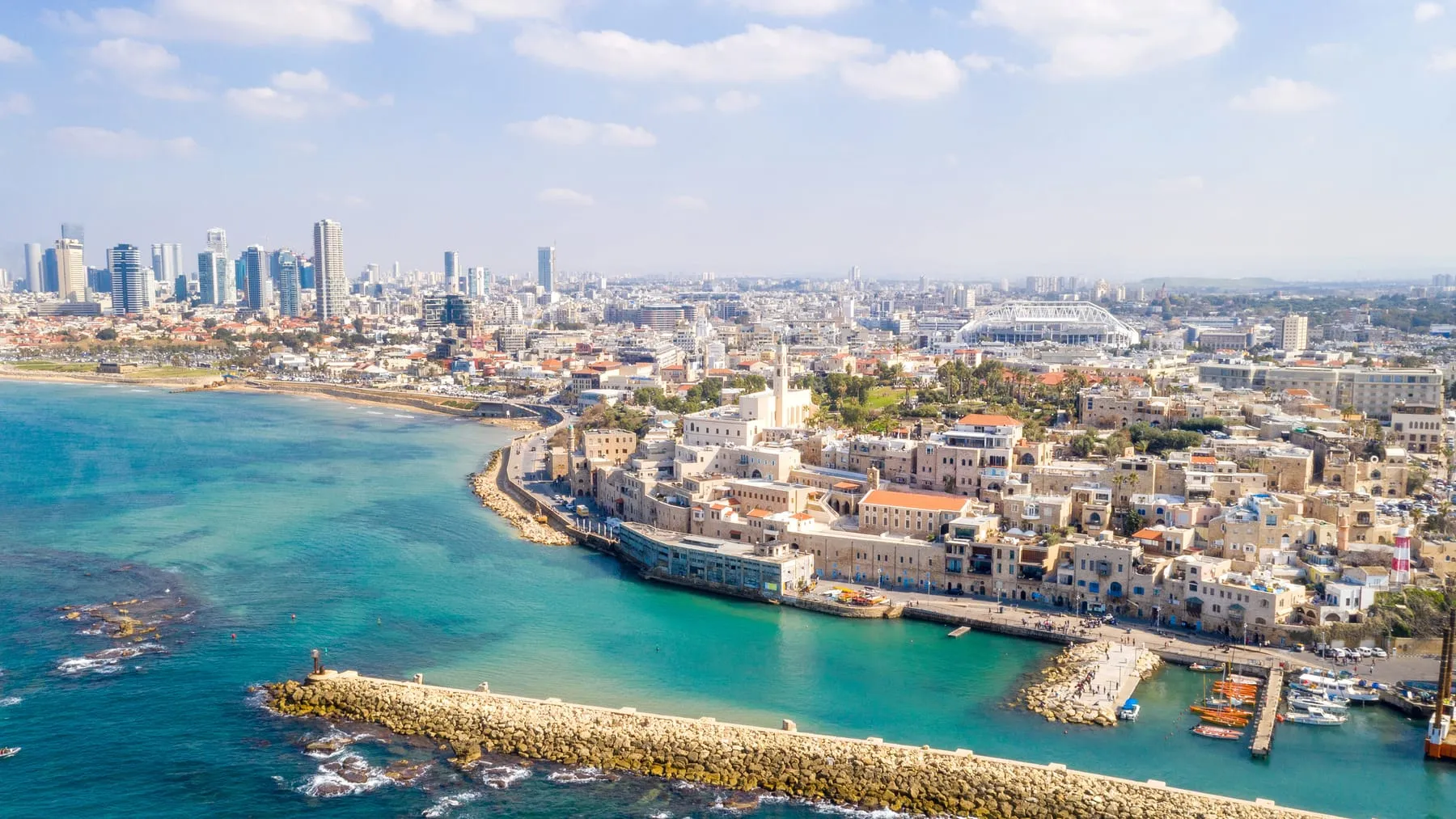
Start in Jaffa, the old port city at the southern end of Tel Aviv. In the morning, before the heat and the crowds, walk the stone alleys of Old Jaffa down to Jaffa Port, where fishing boats share the harbor with seafood restaurants. From the harbor wall you look north across the water to the Tel Aviv skyline.
Late morning, cross into the Jaffa Flea Market streets next to the clock tower, a mix of antiques, vintage clothes, cafes and casual restaurants. Have lunch here: hummus, grilled meats and bakeries are all within a few blocks.
In the afternoon, head north along the seafront promenade, which runs the length of the city’s beaches, past showers, sunbeds and cafes, so you can stop wherever you like. The easiest way to cover it is on two wheels: this Tel Aviv bike rental with helmet and lock is set up for the beach-to-Jaffa ride. If you’d rather have a guide explain what you’re riding past, the private bike tour of Tel Aviv with Yalla Bikes is a highly rated private alternative.
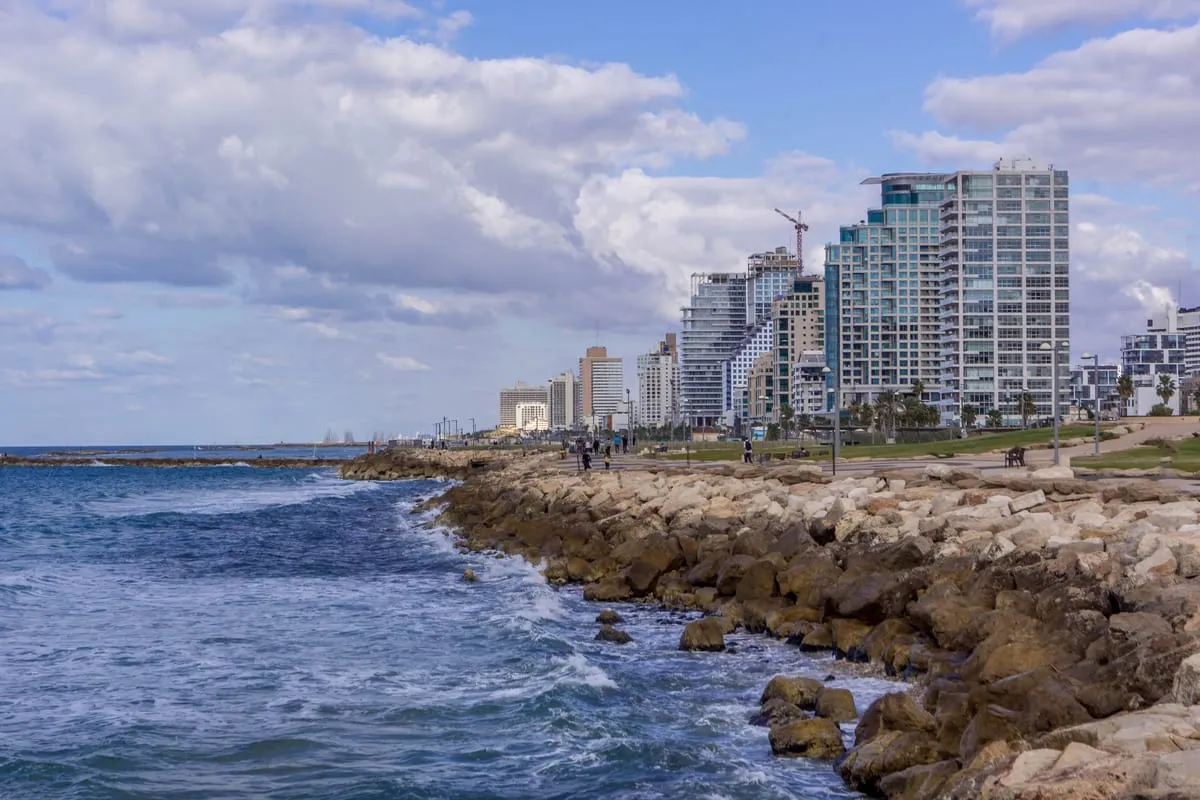
Finish with sunset on the beach, then dinner back in Jaffa or along the promenade. This is the easiest day to place on a Saturday: the beach costs nothing, and most Tel Aviv restaurants and cafes stay open on Shabbat even though shops close.
Day 2: Carmel Market, the White City and Neve Tzedek
Day 2 is central Tel Aviv on foot, and it’s built around food.
Morning: Carmel Market. Shuk HaCarmel is Tel Aviv’s largest open-air market, with produce, spices, bakeries and small food counters. Go hungry, and go early, before the lunch crowd. A guided tasting is the fastest way to eat well here without guessing: the Carmel Market food tasting tour runs about 2 hours, stops at long-running family stalls for hummus, falafel, sabich, halva and more, and its listing says the tastings add up to a substantial lunch. It’s also rain or shine, with free cancellation up to 24 hours before.

Midday: the White City. Walk north from the market to Rothschild Boulevard, the tree-lined spine of the White City. UNESCO listed the White City of Tel-Aviv as a World Heritage Site in 2003 for its modernist architecture: the buildings went up from the early 1930s to the 1950s on a city plan by Sir Patrick Geddes, designed by architects who had trained in Europe. Look for the rounded balconies, flat roofs and strip windows as you walk. The conservation plan covers about 1,000 historic buildings, most of them still private homes and offices.
Afternoon: Neve Tzedek. Cut southwest into Neve Tzedek, one of Tel Aviv’s oldest neighborhoods, now low-rise lanes of restored houses, boutiques and cafes a few minutes from the beach. If you want the stories behind the streets, Neve Tzedek with Tomer is a private walking tour with a local guide.
Evening: dinner and drinks around Rothschild Boulevard or back on the beachfront.
More options for days 1 and 2, from cooking classes to running tours, are in the full list of Tel Aviv tours on Viator.
Day 3: Jerusalem day trip from Tel Aviv
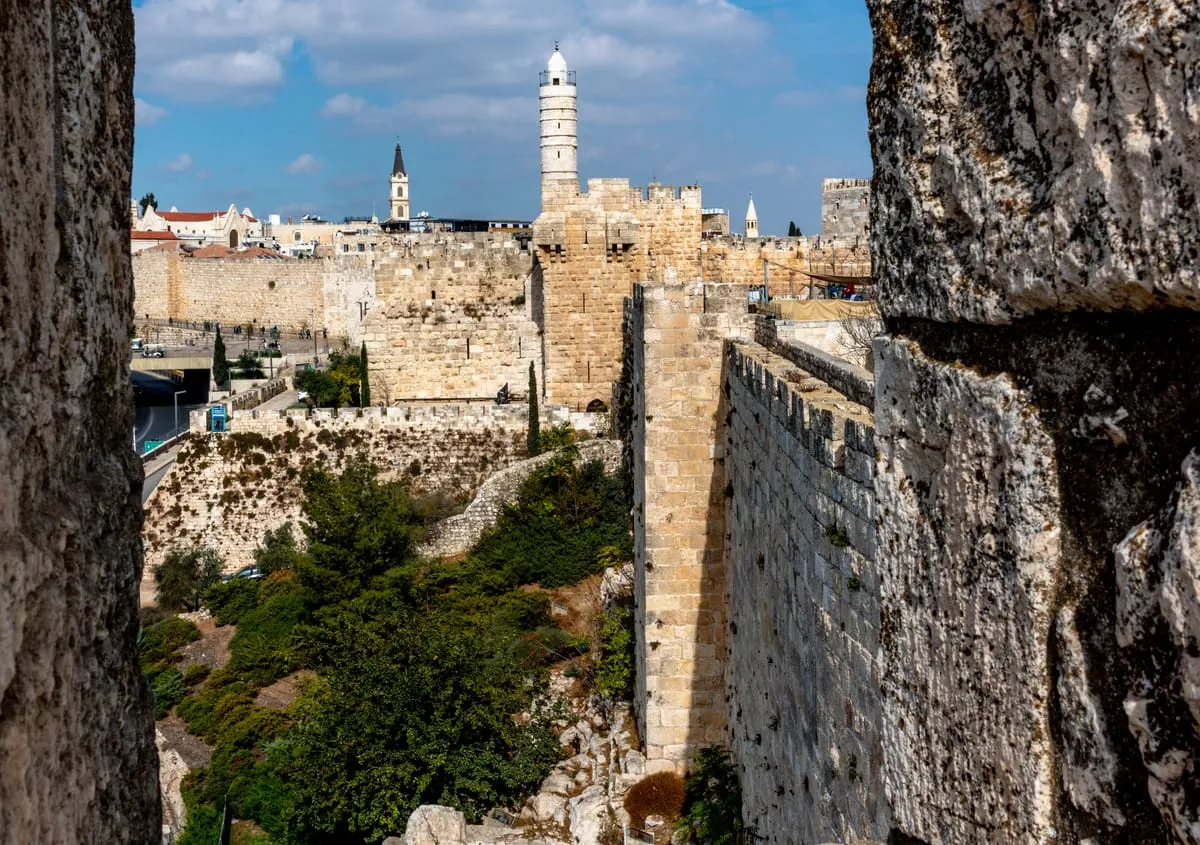
Jerusalem is close enough for a day trip, and the Old City alone fills one: the Western Wall, the Church of the Holy Sepulchre, the Via Dolorosa and the four quarters are all inside the walls. You can go on your own by train or bus, or let a guided tour handle transportation and timing.
| Option | Price, one way | Time | Runs on Shabbat? | Best for |
|---|---|---|---|---|
| Train | NIS 24 (about $8) | An hour or less | No | Independent travelers on a budget |
| Bus 480 or 405 | NIS 16 (about $5) | About 1 hour | No | Cheapest option |
| Taxi | About NIS 300 (about $96) | About 1 hour | Yes, at a higher rate | Groups splitting a fare |
| Guided day tour | See the tour cards below | 7.5 to 9 hours, door to door | Check the tour | First visits; anyone who wants context |
Train, bus and taxi details are from Tel Aviv’s tourism office: trains run Sunday to Thursday, 6 am to 9 pm, and neither trains nor buses run from Friday evening to Saturday evening.
Why we’d book a tour for a first visit: the Old City is a maze of holy sites with their own hours, dress codes and lines, and a guide gets you through the main ones in a few hours without wrong turns. A tour also includes the ride both ways.
Which Jerusalem tour to book
- Best overall: the Jerusalem Boutique Tour from Tel Aviv is a 9-hour small-group day with a licensed guide. It walks down the Mount of Olives and through the Old City’s quarters to the Church of the Holy Sepulchre and the Western Wall, and visits the Temple Mount (Dome of the Rock), which the operator says no other Tel Aviv day tour does. The Temple Mount part isn’t possible on Fridays, Saturdays and religious holidays. Pickup is from meeting points in Tel Aviv, the minimum age is 12, and you’ll need your passport.
- Best on a budget: the Jerusalem Old City Tour from Tel Aviv runs 7.5 hours with round-trip transportation, covers the four quarters, the Western Wall and the Church of the Holy Sepulchre, and leaves free time for lunch in the Old City. When the Temple Mount is closed, it swaps in a viewpoint over it.
- Best small group: the Jerusalem Old City tiny-group tour keeps groups small and suits travelers who want more time with the guide.
Dress for holy sites: the Boutique Tour’s listing says knees and shoulders must be covered for both men and women, with a scarf or hat for women, and that you can be refused entry otherwise. Pack a light scarf even in summer, and wear shoes with grip on the polished stone.
How Shabbat changes a Tel Aviv trip
Shabbat, the Jewish day of rest, begins at sunset on Friday and ends at sunset on Saturday. Here is how it affects a visitor, according to Tel Aviv’s tourism office and its getting-around guide, checked October 2026.
| What | During Shabbat |
|---|---|
| Regular buses, trains and the light rail | Don’t run. Trains stop on Friday afternoon and resume on Saturday after sunset |
| Na’im BaSofash weekend shuttles | Free, about every 30 minutes, Friday 5 pm to 2 am and Saturday 9:30 am to 6 pm |
| Taxis | Run as usual, at a 25% higher rate from Friday sunset to Saturday sunset |
| Bars, restaurants and cafes | Most stay open in Tel Aviv |
| Shops and supermarkets | Closed, though 24/7 mini-markets stay open |
| Museums and galleries | Big institutions usually open; smaller ones often close |
The free weekend shuttles are run by the city. The municipality’s Na’im BaSofash page lists 17 lines and more than 650 stops. Line 706, for example, runs from Tel Aviv University past Rabin Square, Dizengoff Center and Rothschild Boulevard to the Jaffa flea market and Jaffa Port, which covers most of this itinerary. Look up times in Moovit.
How to plan around it: do Carmel Market and any shopping between Sunday and Friday morning, keep the Jerusalem trip off Friday and Saturday, and use Saturday for the beach, Jaffa and long restaurant meals.
How do you get from Ben Gurion Airport to Tel Aviv?
The train is the cheapest way from Ben Gurion Airport to Tel Aviv, at NIS 13.50 (about $4), and a taxi costs a flat NIS 150 (about $48). The airport is about 15 km (9 miles) from the city. International flights use Terminal 3, and Terminal 1 handles domestic and some low-cost international flights. The options, from Tel Aviv’s airport page:
| Option | Price | When | Notes |
|---|---|---|---|
| Train | NIS 13.50 (about $4) | 24 hours, Sunday to Thursday | From the lower level of Terminal 3 to all four Tel Aviv stations. No service from Friday until Saturday evening |
| Bus 445 | Regular fare | Hourly, not on Shabbat | Terminal 3, Level 2, Exit 21, to Dizengoff, Ben Yehuda and nearby streets |
| Taxi from Level 2 | NIS 150 (about $48) flat rate | 24 hours | Use the taxi rank on Level 2 outside Terminal 3. The city says not to tip airport taxi drivers |
Landing on Shabbat? The free weekend shuttle line 711 stops at Terminal 1 on its way to Rothschild Boulevard, Dizengoff Center and the Tel Aviv Museum, according to the municipality, and the airport’s free shuttle between Terminals 3 and 1 runs every 15 minutes, 24 hours a day, all week. A taxi is simpler with luggage.
Airport and hotel Wi-Fi is fine for checking your gate, but if you’ll be logging in to your bank or a booking site on a shared network, a VPN like Surfshark encrypts the connection. One plan covers unlimited devices, as our guide to Surfshark for travel explains.
Where should you stay in Tel Aviv for 3 days?
For a short first trip, stay near the beach between the Tel Aviv Port and Jaffa, or in the streets around Rothschild Boulevard and Neve Tzedek.
- Beachfront (central): walk to the sea every morning and to Carmel Market in minutes. Herbert Samuel Opera is a seafront option close to Carmel Market.
- Neve Tzedek and Rothschild: quieter lanes, boutique hotels, and the White City on your doorstep. 65 Hotel on Rothschild, an Atlas boutique hotel, had a 9.6 out of 10 guest rating on Expedia when we checked.
- Jaffa: old stone buildings and restaurants, a longer walk to the center. The Margosa Hotel in Jaffa was rated 9.4 out of 10 by Expedia guests when we checked.
Flying from the US, it usually pays to price the trip as a package: bundle your flight and Tel Aviv hotel on Expedia and compare the total with booking each separately.
Money, tipping and staying connected
- Currency: the new Israeli shekel (NIS or ILS). Cash payments are in shekels only. Tel Aviv’s tourism office suggests checking before you travel that your credit card is accepted in Israel, and bank ATMs charge less commission than private ones. Use a card with no foreign transaction fee.
- Tipping: 10 to 15% at sit-down restaurants, NIS 10 to 20 (about $3 to $6) per guide on tours, and rounding up for taxi drivers, who don’t expect a tip, per the city’s money page.
- Phone and data: you’ll lean on your phone for maps, Moovit times, taxi apps and tour pickups. US carriers sell international day passes, but an eSIM is usually cheaper for a short trip: an Airalo eSIM for Israel installs before you fly, and you can use code GUIDEZ15 at checkout if you’re new to Airalo, or GUIDEZ10 if you’ve bought from them before. If you stream or tether a lot, Holafly’s unlimited-data eSIMs save you from watching a data cap. Our Airalo vs local SIM vs roaming comparison does the math.
- When to go: spring and fall are the most comfortable for walking days. Winter is mild but wet: Tel Aviv averages under 68°F (20°C) and 5 inches (127 mm) of rain in December, as our winter sun guide shows.
With a fourth day
Haifa and its terraced Bahá’í Gardens are about an hour north by train. Our Haifa day trip guide covers the free garden tours, the German Colony and how to add Akko’s Crusader halls on the same day. If you’re comparing tour sites, see Viator vs GetYourGuide first.
If you book one thing for this trip now, make it day 3: the Jerusalem Boutique Tour from Tel Aviv handles the transportation, the guide and the hard-to-time holy sites in one booking, with free cancellation if the advisory or your plans change. For the cafes, beaches and restaurants in between, open Traveliri’s Tel Aviv map on Guidez, which is in Hebrew.