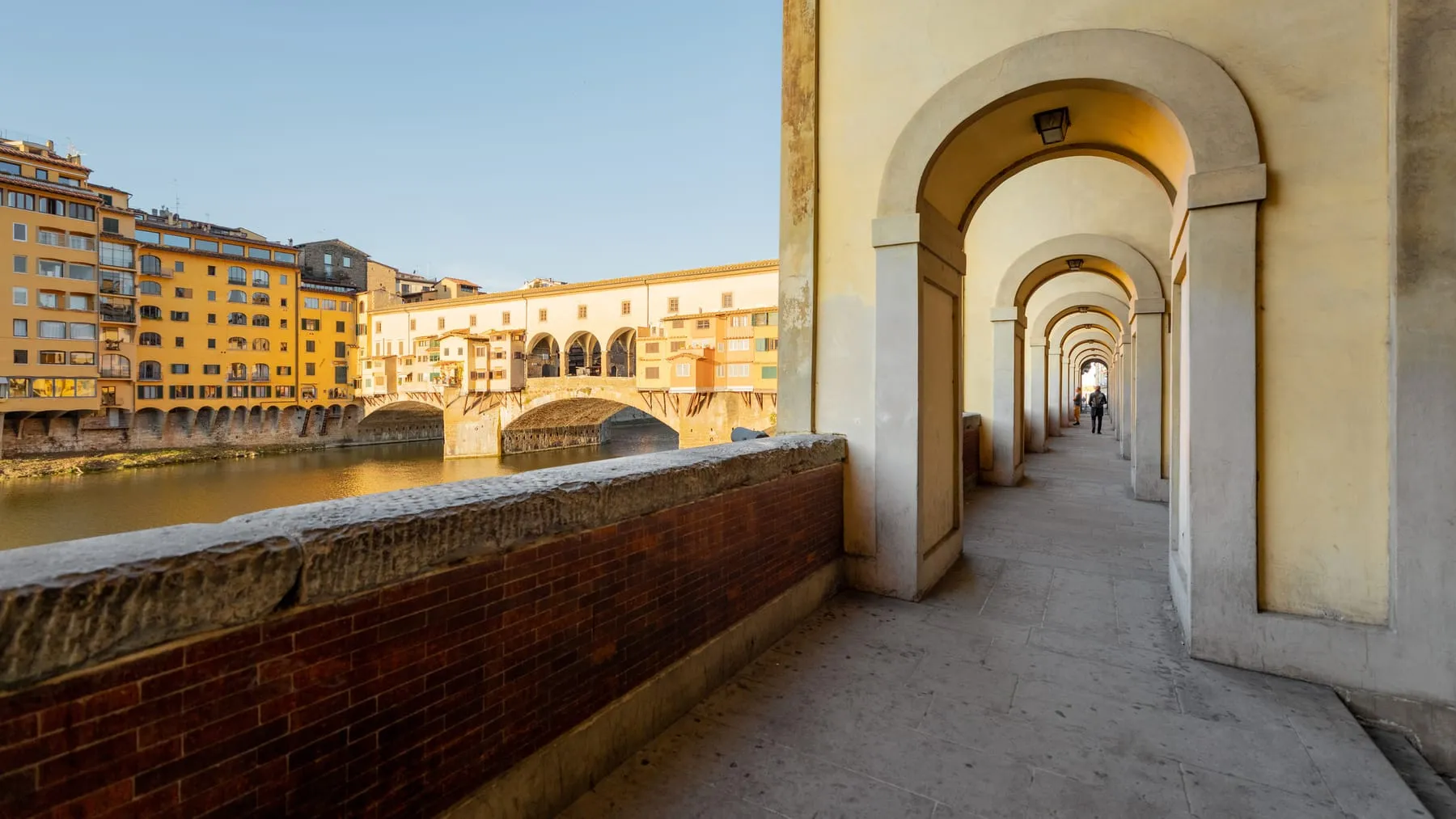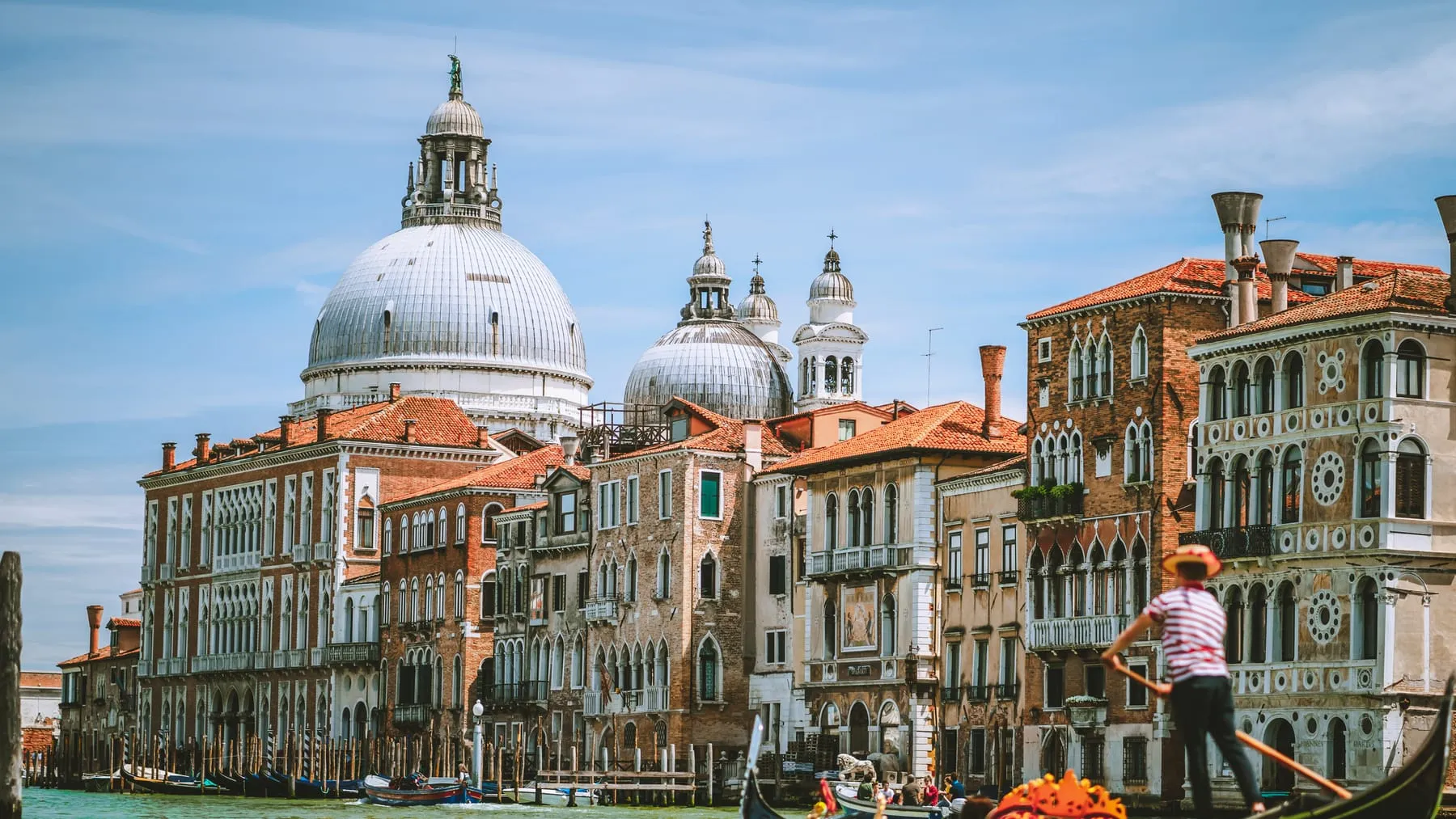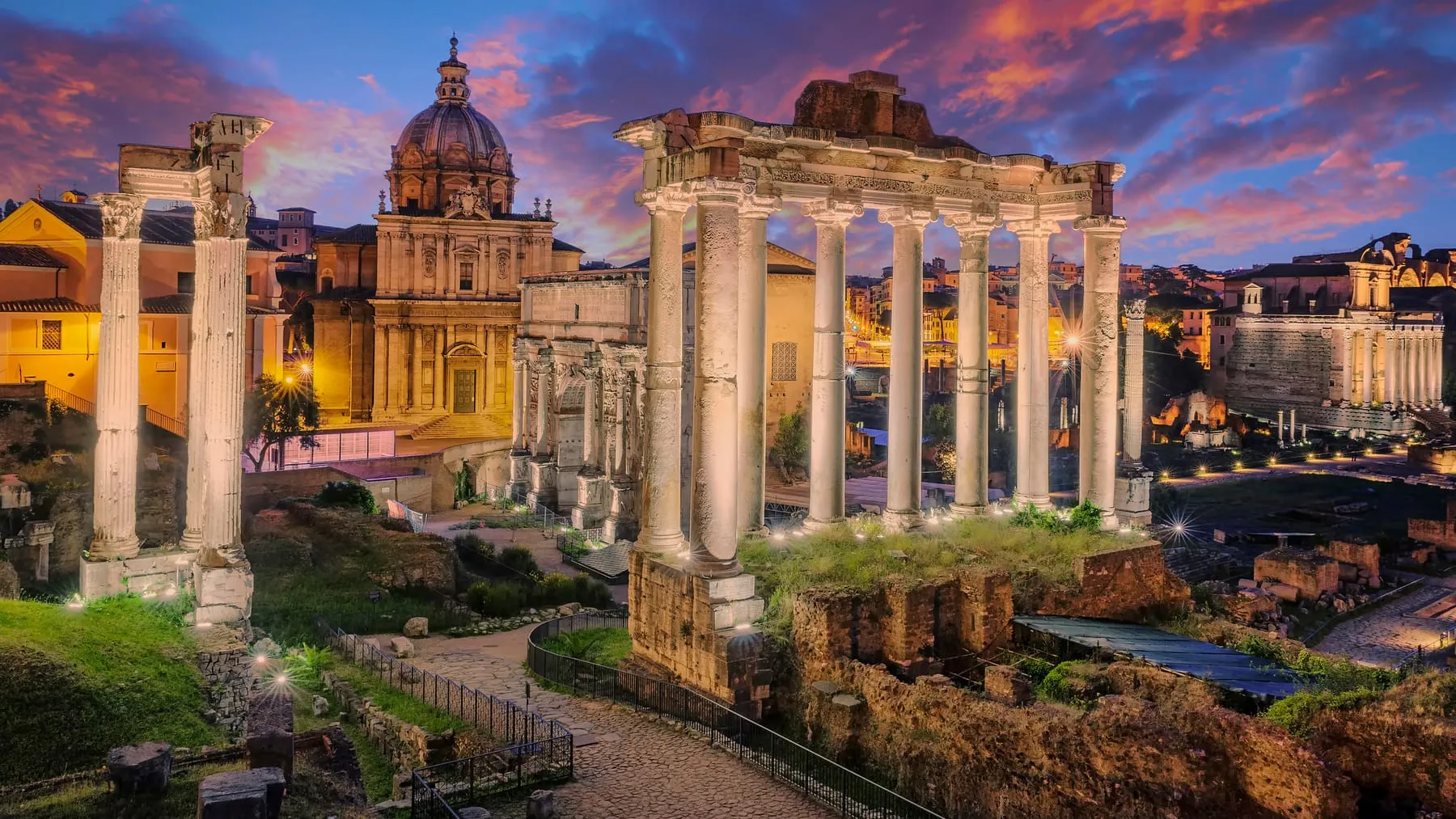
Three days in Rome covers the big timed sights without rushing: Day 1 for ancient Rome, Day 2 for the Vatican and the Pantheon, and Day 3 for the Borghese Gallery and the Trevi Fountain. Entry for the whole plan costs about €70 (about $78) per adult (prices checked October 2026). For the Vatican, the most complex visit, book the small-group Vatican, Sistine Chapel and St Peter’s tour.
Day 1 is the Colosseum, Roman Forum and Palatine Hill, and Day 3 ends with the walk down to the Trevi Fountain. Book three tickets before you fly: the Colosseum (€18, on sale 30 days ahead), the Vatican Museums (€25 online) and the Borghese Gallery (€18, reservation compulsory).
3 days in Rome at a glance
| Day | Morning | Afternoon | Evening | Book ahead |
|---|---|---|---|---|
| 1 | Colosseum (first slot) | Roman Forum and Palatine Hill, then the Capitoline Hill | Dinner in Monti | Colosseum |
| 2 | Vatican Museums and the Sistine Chapel, then St Peter’s | Ponte Sant’Angelo, Piazza Navona, the Pantheon | Trastevere food tour | Vatican Museums, food tour |
| 3 | Borghese Gallery and Villa Borghese park | Pincio terrace, Spanish Steps, Trevi Fountain | Trevi after 10 pm, when entry is free | Borghese Gallery |
The plan keeps each day in one part of the city: ancient Rome on Day 1, the Vatican side of the river on Day 2, the north of the center on Day 3. Most of it is walkable from a hotel in Monti or the Centro Storico.
What to book before you fly
Three tickets decide whether this plan works, and all three sell timed slots that run out. The official prices below were checked in October 2026, with dollars at €1 = $1.11. Booking through a tour or ticket partner costs more than face value, but it adds a guide or an audio guide, and often space on days when the official slots are gone. Most Viator bookings can also be cancelled free up to 24 hours before, which official Vatican tickets can’t.
| Ticket | Official price per adult | When to book | Book it with | What the partner option adds |
|---|---|---|---|---|
| Colosseum, Roman Forum and Palatine | €18 (about $20); €24 (about $27) with the arena or underground | As early as possible; official tickets are released 30 days ahead | Colosseum, Forum and Palatine entry ticket with audio guide | A timed slot plus narration for all three sites |
| Vatican Museums and Sistine Chapel | €25 (about $28) online | As soon as your dates are firm | Small-group Vatican, Sistine Chapel and St Peter’s tour | A guide, and a route straight into St Peter’s |
| Borghese Gallery | €18 (about $20), including the €2 compulsory reservation | As soon as your dates are firm | Small-group Borghese Gallery and gardens tour | The reservation plus a guide, and a way in after official slots sell out |
| Pantheon | €7 (about $8) | No need to book | Pay on the day | Under-18s free |
| Trevi Fountain basin | €2 | No need to book | Pay on the day (cards only) | Free to everyone after 10 pm |
| Food tour | Varies | A week or two ahead | See Day 2 | Evening tours fill first |
The Colosseum is the hardest ticket. Official tickets are released only 30 days before each date, according to the Parco archeologico del Colosseo, and the €24 Full Experience tickets with the underground sell out first. Our Colosseum tickets guide explains what each ticket includes. For the underground with someone who knows the history, the Colosseum and Forum tour with optional arena or underground access is the guided option we’d look at first: it covers the Roman Forum too, you choose the access level when you book, and tour operators often still have places when the official calendar is full.
The Vatican is the most expensive ticket, and the official one is non-refundable. The museums state that their tickets can’t be refunded and are valid only for the day booked. If your plans could still change, a Viator booking with free cancellation up to 24 hours before is worth the extra. Our Vatican Museums tickets guide covers early entry, the dress code and the free last Sunday.
The Borghese Gallery only lets you in with a booking. Every visitor needs a reserved two-hour slot, children included, and the gallery is closed on Mondays. Walk-up tickets go on sale only if slots remain, so don’t count on them; the small-group tour in the table includes the reservation.
Which day should you start the itinerary?
Closed days decide the order. The Vatican Museums close on Sundays except the last Sunday of the month, when entry is free and the crowds are at their worst. The Borghese Gallery closes on Mondays. And on Wednesday mornings the pope’s general audience usually fills St Peter’s Square, so the basilica may not open to visitors until early afternoon.
| You start on | Day 1 | Day 2 | Day 3 | Change needed |
|---|---|---|---|---|
| Sunday | Colosseum | Vatican (Mon) | Borghese (Tue) | None, but avoid the first Sunday of the month, when the Colosseum is free and packed |
| Monday | Colosseum | Vatican (Tue) | Borghese (Wed) | None |
| Tuesday | Colosseum | Borghese (Wed) | Vatican (Thu) | Swap days 2 and 3 |
| Wednesday | Colosseum | Vatican (Thu) | Borghese (Fri) | None |
| Thursday | Colosseum | Vatican (Fri) | Borghese (Sat) | None |
| Friday | Colosseum | Vatican (Sat) | Borghese (Sun) | None |
| Saturday | Colosseum | Borghese (Sun) | Vatican (Mon) | Swap days 2 and 3 |
Arriving on a morning flight? Do the Trevi Fountain, the Pantheon and Piazza Navona on your arrival afternoon, and the plan gets lighter.
Day 1: the Colosseum, Roman Forum and Palatine Hill
Day 1 covers ancient Rome, all within a few hundred yards of the Colosseum. Book the first Colosseum slot you can get. The Colosseum opens at 8:30 every day except December 25, and from October 25, 2026 to February 28, 2027 it closes at 4:30 pm, with last admission at 3:30 pm. In summer it stays open until 7:15 pm.
Morning: the Colosseum. The standard €18 ticket gives you up to 75 minutes on the first and second tiers, looking down into the arena and the exposed underground. Arrive 15 to 20 minutes before your slot for the security check.
Late morning: the Roman Forum and Palatine Hill. They open at 9:00 and come with the same ticket, one entry within 24 hours of your Colosseum slot. Once you walk out of the Forum and Palatine area, you can’t go back in on that ticket, so see both before you leave. Allow two to three hours. In winter, with last admission at 3:30 pm, do them straight after the Colosseum.
Afternoon: the Capitoline Hill. Walk up the ramped staircase to Michelangelo’s Piazza del Campidoglio, then around the back of the square for a free view down over the Forum you’ve just walked through. Piazza Venezia and the white Vittoriano monument are at the bottom of the hill.
Evening: Monti. The neighborhood just north of the Colosseum has the closest good trattorias and wine bars to the ruins, and it’s an easy walk back if you’re staying there.
Want the arena floor or the underground with someone who knows the history? A guided tour does the booking for you. The Colosseum and Roman Forum tour with optional underground is the one we’d pick for a first visit, and our Colosseum guide compares the others.
Day 2: the Vatican Museums, St Peter’s Basilica and the Pantheon
Day 2 starts at the Vatican and ends in the historic center. Book the earliest Vatican Museums slot or tour you can: the museums open at 8 am, Monday to Saturday, and close at 8 pm, with last entry at 6 pm.
Morning: the Vatican Museums and the Sistine Chapel. The route is long and one-way, and the Sistine Chapel comes near the end. Allow about three hours. Shoulders and knees must be covered here and in St Peter’s, so dress for it. Take metro line A to Ottaviano, about a 10-minute walk from the museum entrance on Viale Vaticano.
Late morning: St Peter’s Basilica. Entry is free. It opens daily from 7 am to 7 pm from October 26, 2026 to March 28, 2027, and until 8 pm in summer, according to St Peter’s Basilica. On your own, you walk from the museum exit around the walls to the square, about 15 minutes, and go through a police security check. Many guided tours instead take their groups from the Sistine Chapel straight into the basilica, when that passage is open. The dome climb costs €17 by stairs or €22 with the lift.
Which Vatican ticket or tour should you book?
- Best overall: the small-group Vatican, Sistine Chapel and St Peter’s tour has more than 8,000 reviews and ends inside the basilica, which saves the walk around the walls.
- Best budget guided option: City Wonders’ Vatican Museums, Sistine Chapel and St Peter’s guided tour is one of the most-reviewed Vatican tours on Viator and costs roughly three times the official ticket.
- If you’d rather go on your own: compare timed Vatican Museums entry tickets and tours on Viator and filter for entry-only tickets. They cost more than the €25 official price and their ratings vary, so read the reviews and the cancellation terms before you book.
Afternoon: across the river to the Pantheon. After lunch in Prati or the Borgo, walk to Castel Sant’Angelo and cross the Tiber on the Ponte Sant’Angelo, lined with angel statues designed by Bernini. Castel Sant’Angelo itself is optional and costs €18 since July 2026. From the bridge it’s a short walk to Piazza Navona and on to the Pantheon.
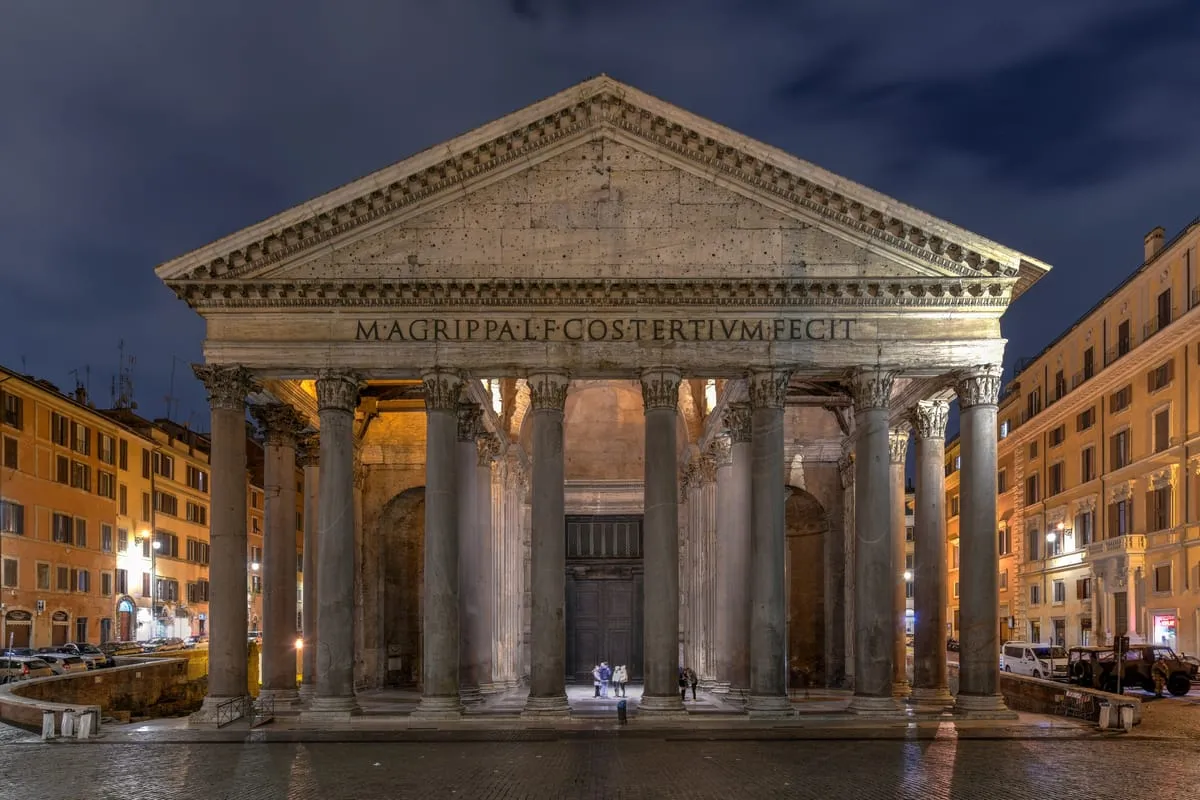
The Pantheon costs €7 since July 1, 2026, with under-18s free. It opens daily from 9 am to 7 pm, with last entry at 6:30 pm, and hours can change for religious services, according to Turismo Roma’s Pantheon page. You don’t need to book it days ahead. If you’d like the stories behind the Pantheon, Piazza Navona and the fountains, compare guided walking tours of Piazza Navona and the historic center on Viator.
Evening: a food tour in Trastevere. You’ve walked most of the day, so let someone else choose dinner. Eating Europe’s Twilight Trastevere food tour meets on Tiber Island, about 15 minutes’ walk from the Pantheon, and runs about four hours with supplì, porchetta, a sit-down pasta course, gelato and drinks. It’s the evening pick in our Rome food tours comparison, which also covers cheaper and shorter options.
Day 3: the Borghese Gallery, the Spanish Steps and the Trevi Fountain
Day 3 is the most relaxed: one timed visit in the morning, then a walk downhill through the north of the center. The Borghese Gallery opens Tuesday to Sunday from 9 am to 7 pm, with last admission at 5:45 pm, and is closed on Mondays, according to Turismo Roma’s Borghese Gallery page.
Morning: the Borghese Gallery. Book a 9 am slot or the guided tour below. Visits run in two-hour shifts that start on the hour, and you leave at the end of yours. The gallery holds Bernini’s marble sculptures, including Apollo and Daphne, plus Caravaggio paintings and Canova’s reclining Pauline Bonaparte, in a 17th-century villa. Arrive early to pick up tickets and leave larger bags in the cloakroom.
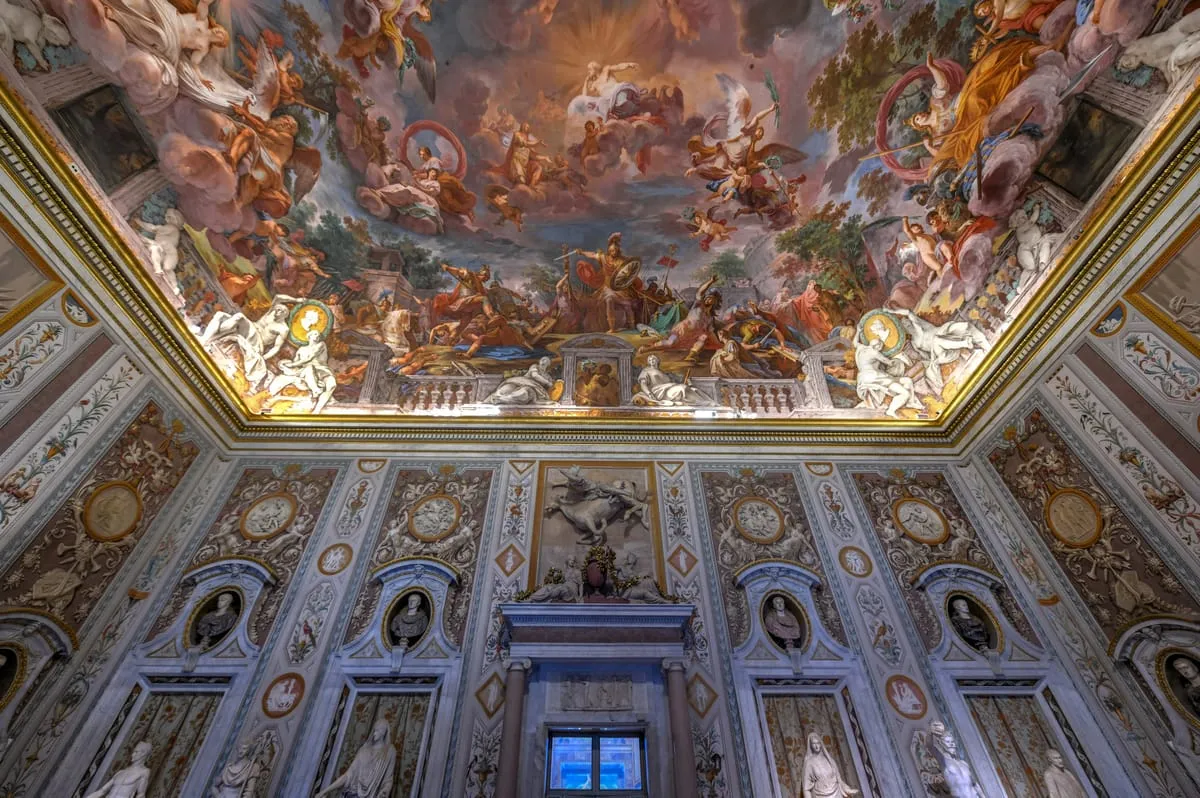
The labels inside are brief, so a guide adds a lot here. The small-group Borghese Gallery and gardens tour includes the reservation, walks you through the main works in your slot, and is also the realistic way in when official slots for your day are gone.
Late morning: Villa Borghese and the Pincio. The park around the gallery is free. Walk southwest to the Pincio terrace, which looks over Piazza del Popolo toward the dome of St Peter’s, then take the ramps down into the piazza.
Afternoon: the Spanish Steps and the Trevi Fountain. From Piazza del Popolo, Via del Babuino runs to the Spanish Steps. From there it’s about a 10-minute walk to the Trevi Fountain, through streets of shops and cafés. Since February 2, 2026, entering the basin area closest to the fountain costs €2 for non-residents, daily from 9 am to 10 pm, according to Turismo Roma. Children under 5 are free, and the on-site booth takes cards only. You can still see the fountain from the square for free.
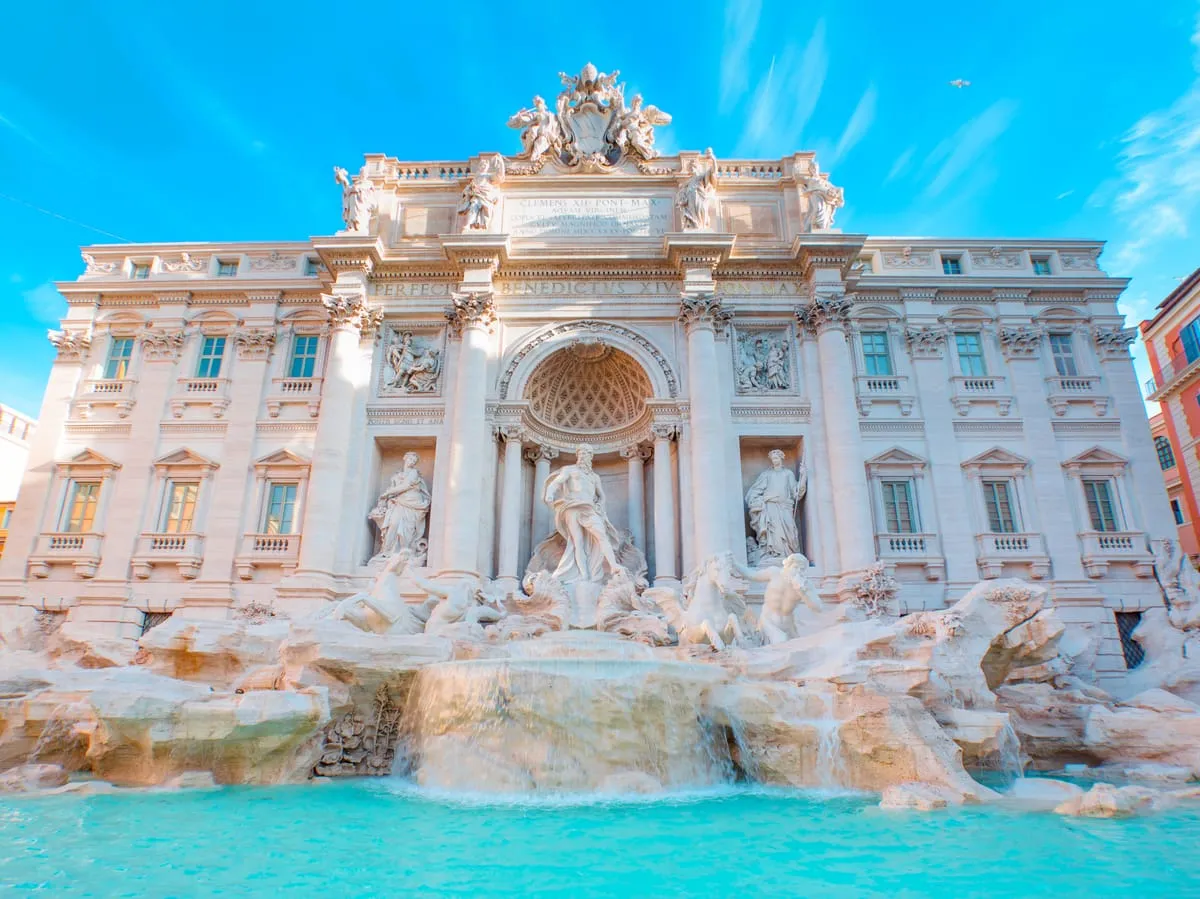
Evening: Trevi after 10 pm. Access to the basin is free for everyone outside the paid hours, so if you’d rather keep the €2 for a gelato, come back after dinner.
Swap the morning for food. If you’d rather start your last day with a market and three Roman pastas, book an afternoon Borghese slot instead and take the late-morning Taste of Testaccio food tour in the Testaccio neighborhood, our overall pick among Rome food tours.
How much do the tickets cost for 3 days in Rome?
Entry tickets for this plan cost €70 (about $78) per adult at official prices checked in October 2026. Here’s the breakdown, with the optional extras.
| Ticket | Adult | Child aged 7 to 17 | Notes |
|---|---|---|---|
| Colosseum, Forum and Palatine | €18 | Free (named ticket still needed) | €24 with the arena, underground or attic |
| Vatican Museums (online) | €25 | €15 | Children under 7 free |
| Borghese Gallery | €18 | €2 reservation | Plus an online service fee |
| Pantheon | €7 | Free | |
| Trevi Fountain basin | €2 | €2 | Under 5 free; free after 10 pm |
| Core total | €70 (about $78) | €19 (about $21) | |
| St Peter’s dome (optional) | €17 stairs, €22 lift | Basilica entry is free | |
| Castel Sant’Angelo (optional) | €18 |
What a family pays: two adults and two children aged 9 and 13 pay about €178 (about $198) for the core plan. Free entry for under-18s at the Colosseum and the Pantheon is the reason it isn’t more. For more ways to trim the bill, from free museum Sundays to cheaper trains, see our Italy on a budget guide.
Transport: a single ride costs €1.50 and is valid for 100 minutes, including one metro trip. If you walk most of this plan and take the metro to the Vatican and back plus a bus or two, budget €6 to €9. A 72-hour ticket costs €22, according to Turismo Roma’s fare update, and only pays off if you ride 15 times or more.
Is the Roma Pass worth it for 3 days in Rome?
No, not for this plan. The 72-hour Roma Pass costs €62.90 and includes two free entries, reduced prices at other sites and unlimited public transport, according to Musei in Comune di Roma. The Vatican Museums, the most expensive ticket here, aren’t included. Two €18 entries plus a €22 transit ticket add up to €58, which is €4.90 less than the pass, and you’d walk most of this plan anyway. The pass makes sense when you’ll add several paid sites at reduced prices and use transport heavily.
Where to stay for 3 days in Rome
Stay in Monti or the Centro Storico. Both put Day 1 and Day 3 within walking distance, and Day 2 is a metro ride away, or about a 25-minute walk from the Centro Storico. Our guide to where to stay in Rome compares five neighborhoods with hotels in each. Two that suit this plan:
- For Day 1 on foot: The Fifteen Keys Hotel, a 4-star hotel with 15 rooms on a quiet street in Monti, about a 10-minute walk from the Colosseum.
- For the center at night: Albergo del Senato, a 3-star hotel on Piazza della Rotonda, directly facing the Pantheon.
Rome adds a city tax per person per night, from €4 at 1-star hotels to €10 at 5-star hotels, usually paid at the hotel.
Getting around Rome in 3 days
You’ll walk most of this plan. The distances are short, and the heart of the historic center, around the Pantheon and Piazza Navona, has no metro station.
- Metro: line A runs to Ottaviano for the Vatican and to Spagna for the Spanish Steps. Line B serves the Colosseum, and since December 2025 line C has a Colosseo-Fori Imperiali station too.
- Tickets: a single ride costs €1.50 for 100 minutes. Contactless bank cards and phones work at metro gates, so most visitors never buy a paper ticket.
- From the airport: the Leonardo Express train runs from Fiumicino to Termini in 32 minutes for €14, and a licensed taxi costs a fixed €55 to anywhere inside the Aurelian Walls. Our Fiumicino to central Rome guide compares every option, and if you’re flying into the smaller airport, see Ciampino to Rome city center.
Before you go: tips for US travelers
- Entry rules: US passport holders can stay in Italy and the rest of the Schengen area for up to 90 days in any 180 without a visa. The EU’s Entry/Exit System records your fingerprints and photo at your first Schengen border, and the ETIAS travel authorization wasn’t required yet as of October 2026.
- Cards: contactless payment is common, and the Trevi Fountain booth takes cards only. If a card machine offers to charge you in dollars, choose euros: the conversion rate is almost always worse.
- Tipping: tipping isn’t expected the way it is in the US. Many restaurants add a small per-person cover charge to the bill; a few euros for good service is a kind extra, not an obligation.
- Dress code: cover shoulders and knees for the Vatican Museums and St Peter’s, and carry a light scarf in summer.
- Your phone: you’ll use it for e-tickets, maps and finding your way back to the hotel every day. US carriers charge about $12 a day for roaming, as our Airalo vs local SIM vs roaming comparison shows. An Airalo eSIM for Italy is set up before you fly: use code GUIDEZ15 at checkout if you’re new to Airalo, or GUIDEZ10 if you’ve bought from them before. On T-Mobile, roaming data is included but slows after a few gigabytes; our comparison of US carrier plans and eSIMs shows when that’s enough.
- Timed tickets mean security lines too. A booked slot skips the ticket queue, but everyone goes through the same security check. Our skip-the-line hacks for Europe cover the tactics that still work.
If you have a fourth day
Use it to leave the city or to slow down. Ostia Antica and Tivoli are half-day trips; Pompeii is a long full day by fast train to Naples and a local train, or on a tour with transport included. To do it yourself, compare Rome to Naples trains on Omio and pick an early departure. For a guided day out, the full list of day trips from Rome on Viator lets you filter by length and price.
Ready to book? Start with the ticket that sells out first: set a reminder for 30 days before your Colosseum day, then book the small-group Vatican and St Peter’s tour and a Borghese Gallery slot with a guide. For cafés, restaurants and places to stay between sights, open Maya Barkan’s Rome map on Guidez, which is in Hebrew.