The best 2-week Thailand itinerary for a first trip is 3 nights in Bangkok, 4 in Chiang Mai and 6 on the Andaman coast around Phuket or Krabi, linked by two short flights. It works from November to April; from May to October, swap the beach leg for Koh Samui. Start by booking the private transfer from Suvarnabhumi to your Bangkok hotel for your arrival night.
The flight north takes 1 hour 15 minutes and the direct flight south about 2 hours. From November to April the north is cool and dry and the Andaman Sea is calm. After the transfer, book the boat trips on the Andaman coast, which fill up first between December and February. Prices and rules below were checked in October 2026, with dollars at the October 30 European Central Bank rates ($1 = THB 33.7).
The 2-week Thailand itinerary at a glance
| Days | Base | Nights | Highlights | Getting there |
|---|---|---|---|---|
| 1 to 3 | Bangkok | 3 | Grand Palace, Wat Pho, Wat Arun, Chinatown street food | Arrive at Suvarnabhumi (BKK) |
| 4 to 7 | Chiang Mai | 4 | Old City temples, Doi Suthep, elephants, cooking class, Chiang Rai day trip | Flight, about 1 hr 15 min |
| 8 to 13 | Phuket or Krabi | 6 | Phi Phi Islands, Phang Nga Bay and James Bond Island, beaches | Direct flight from Chiang Mai, about 2 hr |
| 14 | Fly home | Flight back to Bangkok, about 1.5 hr, then your long-haul flight |
The order matters. Bangkok first gives you three easy days to shake off an 11 or 12-hour time difference from the East Coast. Chiang Mai is cooler and slower. Ending on the beach means you fly home rested instead of starting the trip on a sun lounger with jet lag.
When is the best time to do this Thailand itinerary?
November to April is the best time for this route, with the Andaman coast at its calmest and Chiang Mai cool and dry; from May to October, flip the beach leg to Koh Samui. Thailand has two beach coasts with opposite rainy seasons, and that decides your route. Long-term averages from the Thai Meteorological Department, published by the World Meteorological Organization for Phuket, Ko Samui and Chiang Mai, show the pattern:
| Months | Chiang Mai | Phuket (Andaman coast) | Ko Samui (Gulf coast) | Verdict |
|---|---|---|---|---|
| November | 51 mm rain, 86°F (29.8°C) highs | 174 mm, drying out | 490 mm, wettest month | Andaman route, late in the month |
| December to February | 8 to 18 mm, nights 58°F to 60°F (14°C to 16°C) | 23 to 62 mm | 58 to 209 mm | Andaman route, peak season |
| March and April | 95°F to 97°F (35°C to 36°C) highs, smoke haze likely | 59 to 138 mm | 77 to 78 mm | Either coast; April favors Samui |
| May to September | 117 to 225 mm | 237 to 387 mm | 113 to 147 mm | Gulf route via Koh Samui |
| October | 118 mm | 296 mm | 290 mm | Shoulder month for both |
Rain figures are monthly averages. Two other things to plan around:
- Smoke haze in the north. Crop and forest burning often blankets northern Thailand from about February to April. In April, an estimated 70% of Chiang Mai’s fine-particle pollution comes from burning, NASA’s Earth Observatory reports. If you travel in March or April and have asthma, cut Chiang Mai to two nights or swap it for an extra Bangkok day trip.
- Maya Bay closes every year from August 1 to September 30, according to Thailand’s Public Relations Department, so Phi Phi tours in those months skip its famous beach.
Days 1 to 3: Bangkok
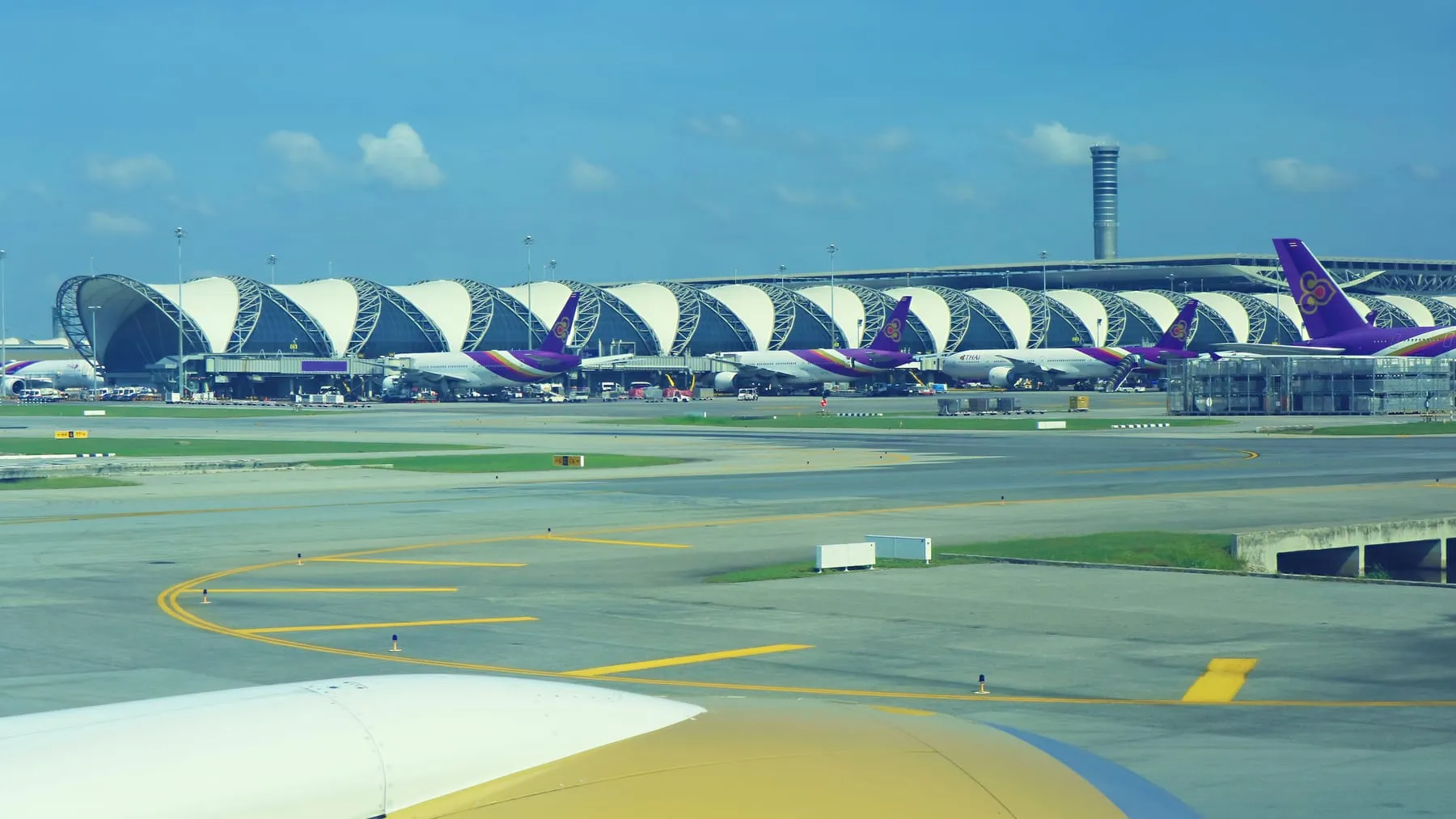
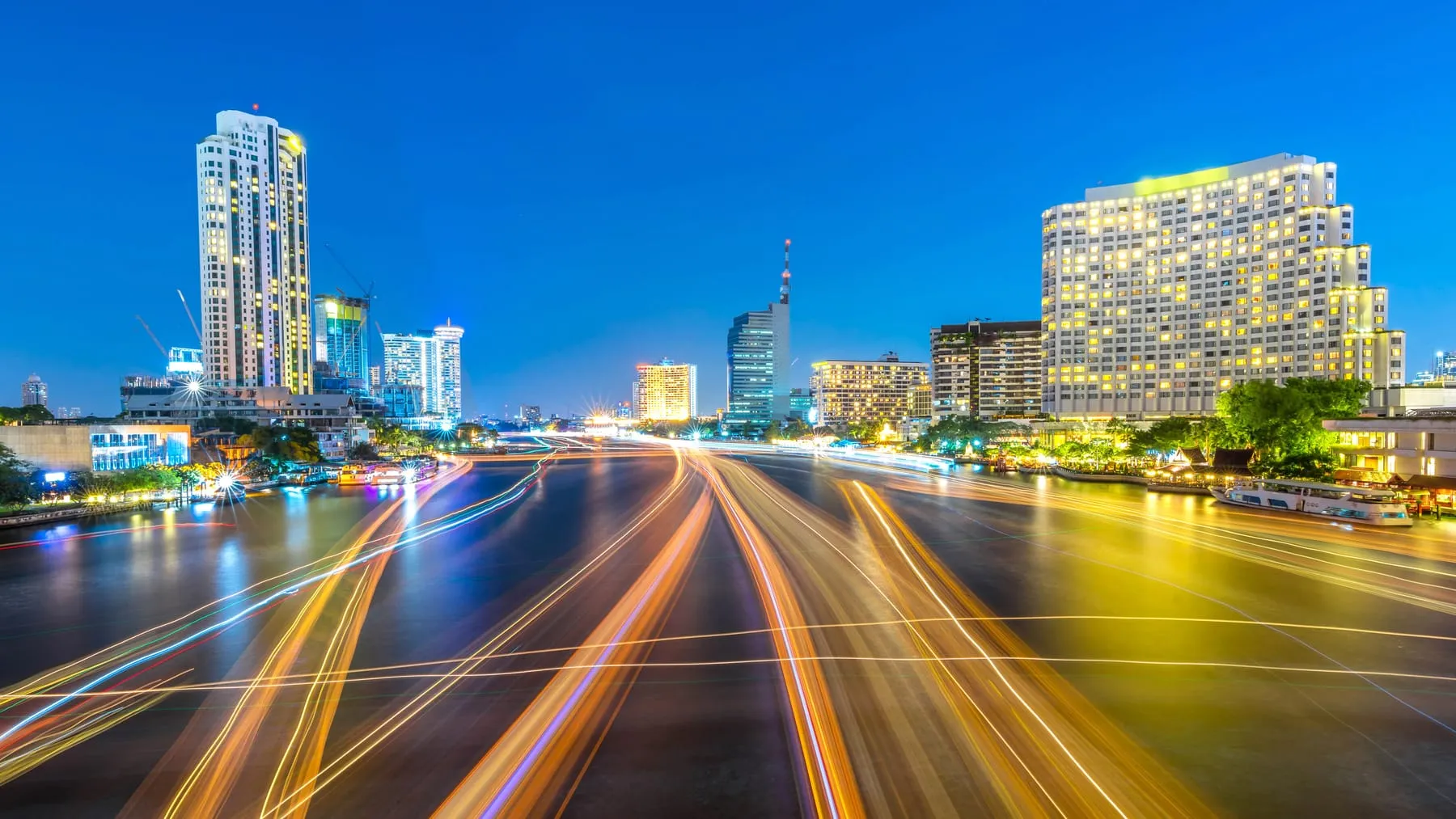
Day 1: arrive. Most flights from the US land at Suvarnabhumi after a connection in Asia or the Middle East. The Airport Rail Link costs THB 45 (about $1.35) to Phaya Thai, but after 20-plus hours of travel, a car is worth it: the private Suvarnabhumi arrival transfer meets you in the arrivals hall with a name sign. Every option, with fares, is in our Bangkok airport to city guide. Stay near the river for this itinerary: the Millennium Hilton Bangkok sits on the Chao Phraya next to ICONSIAM, runs a free shuttle boat across the river and earns Hilton Honors points. Our guide to where to stay in Bangkok compares Sukhumvit, Silom, Siam and the Old Town if the river isn’t for you.
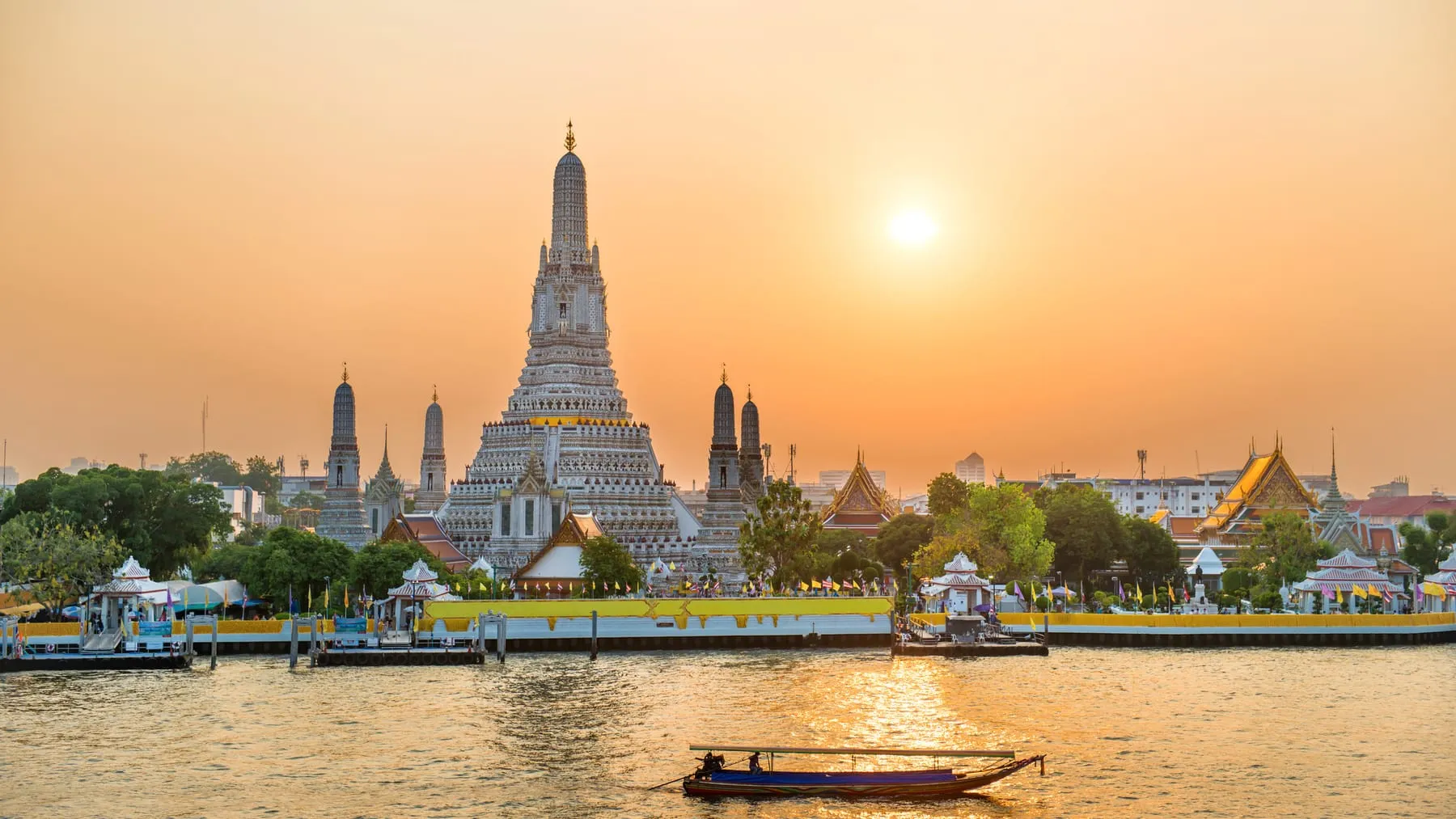
Day 2: the Grand Palace and the big temples. Start at 8:30 am, before the heat and the tour buses. The Grand Palace, Wat Pho’s Reclining Buddha and Wat Arun across the river fill a morning. The Grand Palace and temples tour with an experienced guide has more than 1,400 reviews on Viator, and the guide explains what you’re looking at, which the palace itself doesn’t do well. Cover your shoulders and knees: the palace dress code is enforced at the gate.
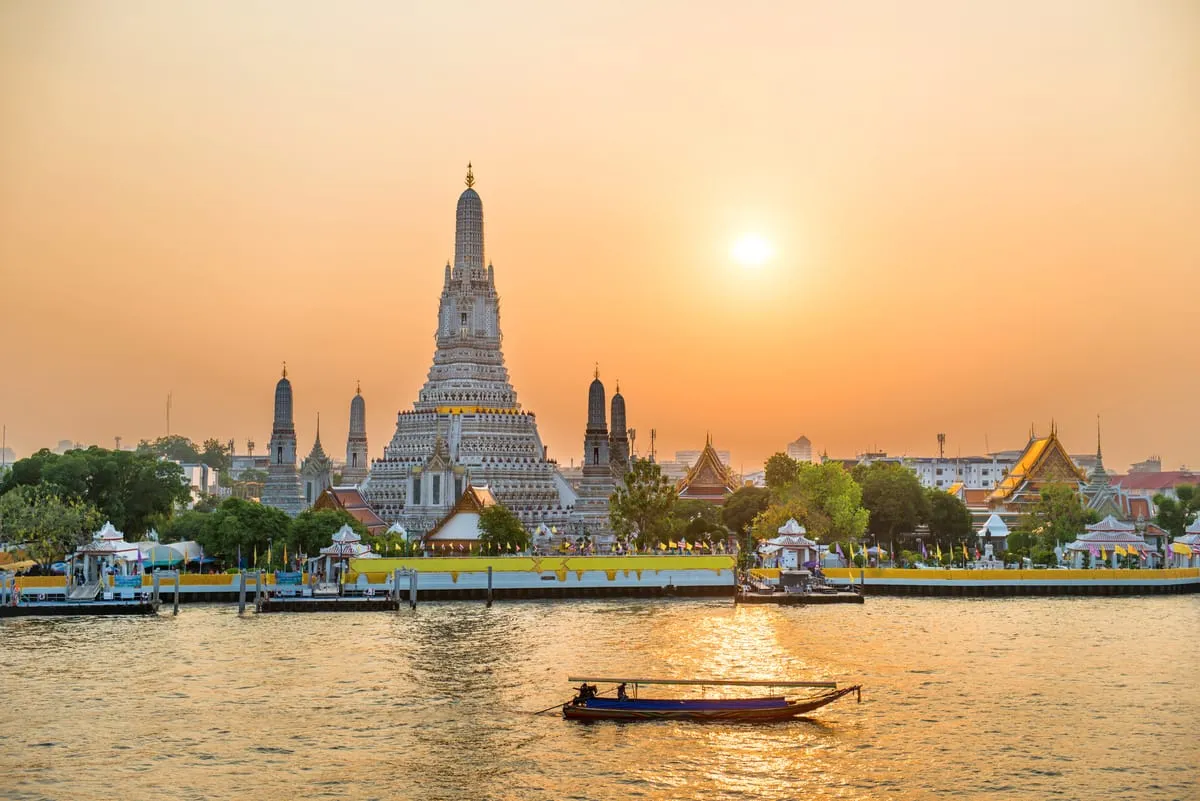
Day 3: canals, markets and Chinatown. Take a longtail boat through the Thonburi canals in the morning, or a day trip to the floating markets or the old capital, Ayutthaya, if you’d rather see something outside the city. Our floating market tours comparison explains which market to pick and how to catch the Maeklong train. Save the evening for food: the Bangkok Midnight Food Tour by tuk-tuk has close to 3,000 reviews on Viator and takes you by tuk-tuk between street-food stops after dark, when the city is cooler. For everything else worth doing, with prices, see our best things to do in Bangkok.
Day 4: fly to Chiang Mai
Fly from Bangkok to Chiang Mai in the morning. The flight takes about 1 hour 15 minutes, with many daily departures from both Suvarnabhumi and Don Mueang, the budget-airline airport. Check which one is on your ticket, since the two airports are about an hour apart by road.
The train alternative. The overnight sleeper from Krung Thep Aphiwat Central Terminal takes about 12 to 13 hours. It’s a classic experience and saves a hotel night, but it costs you most of a day in this tight plan, so we’d only take it if you’re keen on trains.
Chiang Mai’s airport is close to the city. Airport shuttle bus route A1 runs to Nimman and the Old City moat and route A2 to the Night Bazaar and the Chang Khlan hotels, each for a flat THB 40 (about $1.20). We’d stay near the Night Bazaar: the Shangri-La Chiang Mai is about a 10-minute walk from it, with two pools and a free kids’ club. Spend the afternoon in the walled Old City, where Wat Phra Singh and Wat Chedi Luang are a short walk apart. If you’re in town on a Sunday, the evening walking-street market along Ratchadamnoen Road runs right through the Old City.
Days 5 to 7: Chiang Mai
Day 5: elephants, the ethical way. An elephant day is why many people come to Chiang Mai, and it’s where you most need to choose carefully. The tours worth booking are hands-off: you watch elephants roam, without riding, bathing or hand-feeding them. The hands-off jungle elephant tour from Chiang Mai is our pick, and our comparison of ethical elephant sanctuaries in Chiang Mai explains what to look for and what to avoid.
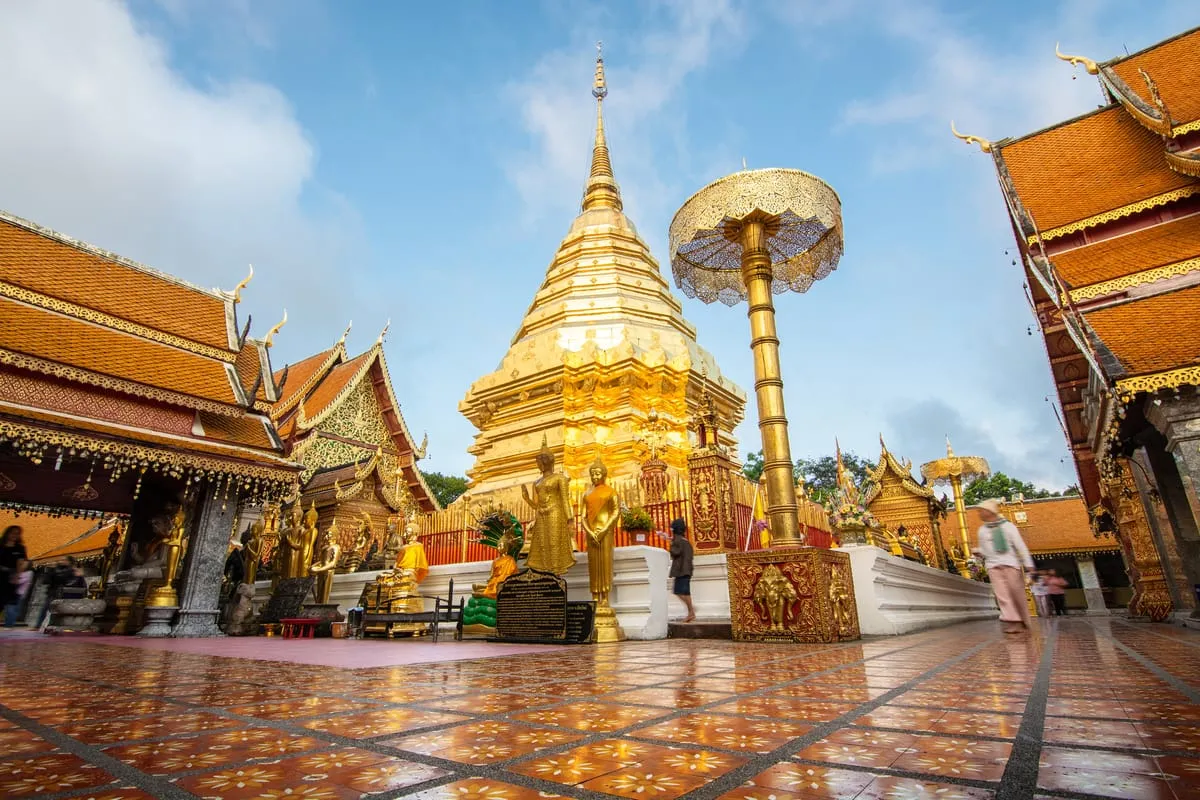
Day 6: cook, then climb Doi Suthep. A Thai cooking class is the best value activity in Chiang Mai, and the full-day class at Grandma’s Home Cooking School starts with a market visit and a farm tour before you cook. In the late afternoon, ride a Grab or a red songthaew up to Wat Phra That Doi Suthep, the gold-spired temple on the mountain above the city. You reach it by a staircase of about 300 steps or a short cable car.
Day 7: Chiang Rai’s White Temple. The White Temple (Wat Rong Khun) in Chiang Rai is about three hours’ drive each way, so it’s a long day, but it’s the one day trip from Chiang Mai that most visitors are glad they did. The small-group Chiang Rai day trip with the White Temple is the best-reviewed of the ones we compared, and it handles the driving. If a 12-hour day sounds like too much, spend it on the Old City’s cafes and a Thai massage instead.
Day 8: fly to Phuket (or Krabi)
Fly direct from Chiang Mai to Phuket. The flight takes about 2 hours, and Thai AirAsia flies the route, so you don’t have to go back through Bangkok. From Phuket’s airport, the Phuket Smart Bus runs down the west coast to Patong, Karon, Kata and Rawai for THB 100 (about $3).
Where to base yourself. For a first visit we’d stay on Karon or Kata beach, quieter than Patong but close to the piers for island tours. The Holiday Inn Resort Phuket Karon Beach has three pools and a kids’ pool, and IHG One Rewards members earn points.
Days 9 to 13: Phuket and the Andaman islands
Six nights sounds like a lot, but two of the days are full-day boat trips, and the rest is what you came for: beaches and doing very little.
Day 9: Phi Phi Islands. Go by speedboat, which takes about an hour each way instead of two. The V. Marine Phi Phi day trip with a seaview lunch is one of the most-reviewed on Viator, with groups capped at 20. Budget the THB 400 (about $12) national park fee if your tour doesn’t include it. Our Phi Phi island tours from Phuket comparison covers the speedboat, big-boat and private options and the Maya Bay rules.
Day 10: beach day. Rest your legs after Chiang Mai and the boat.
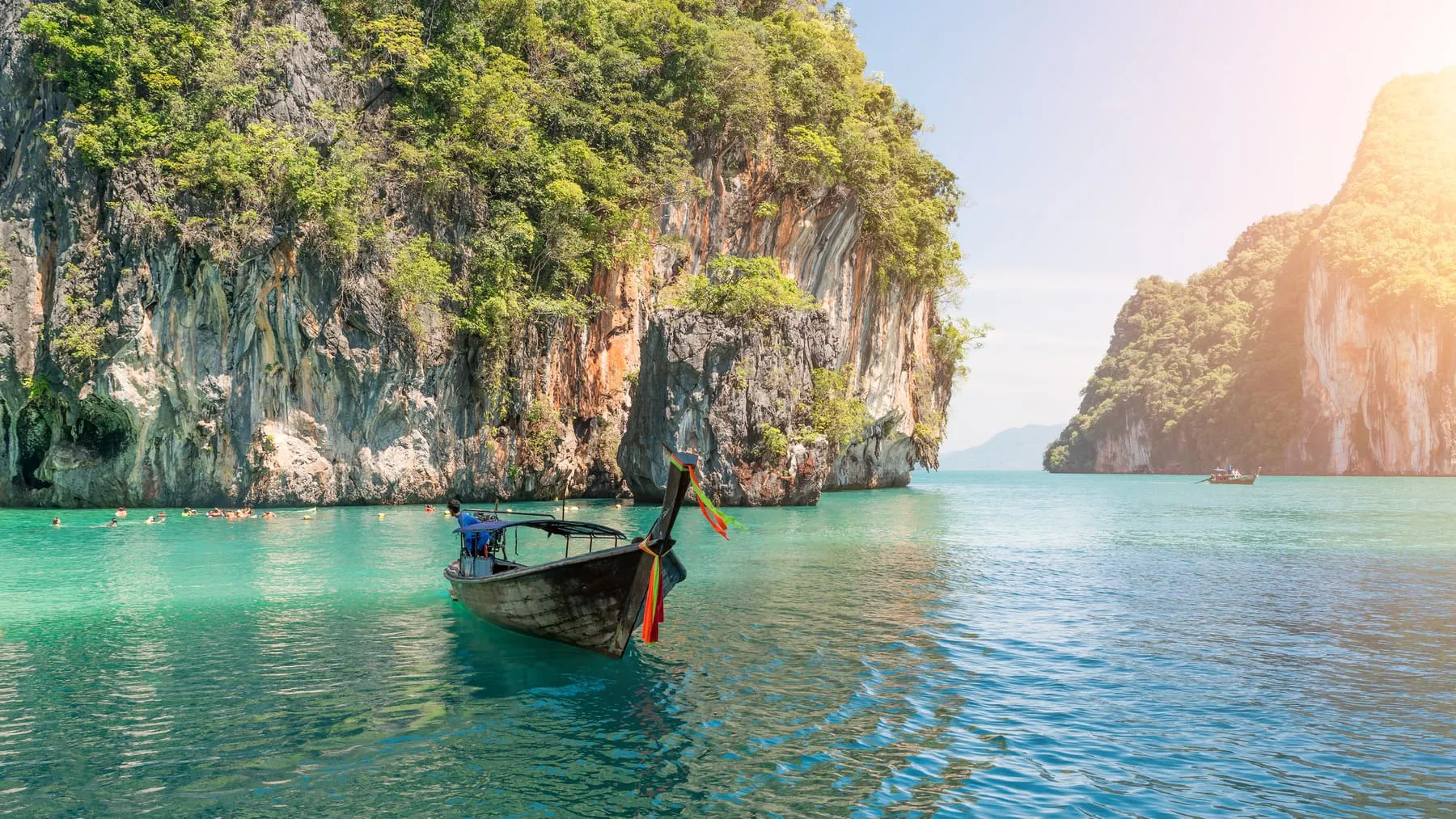
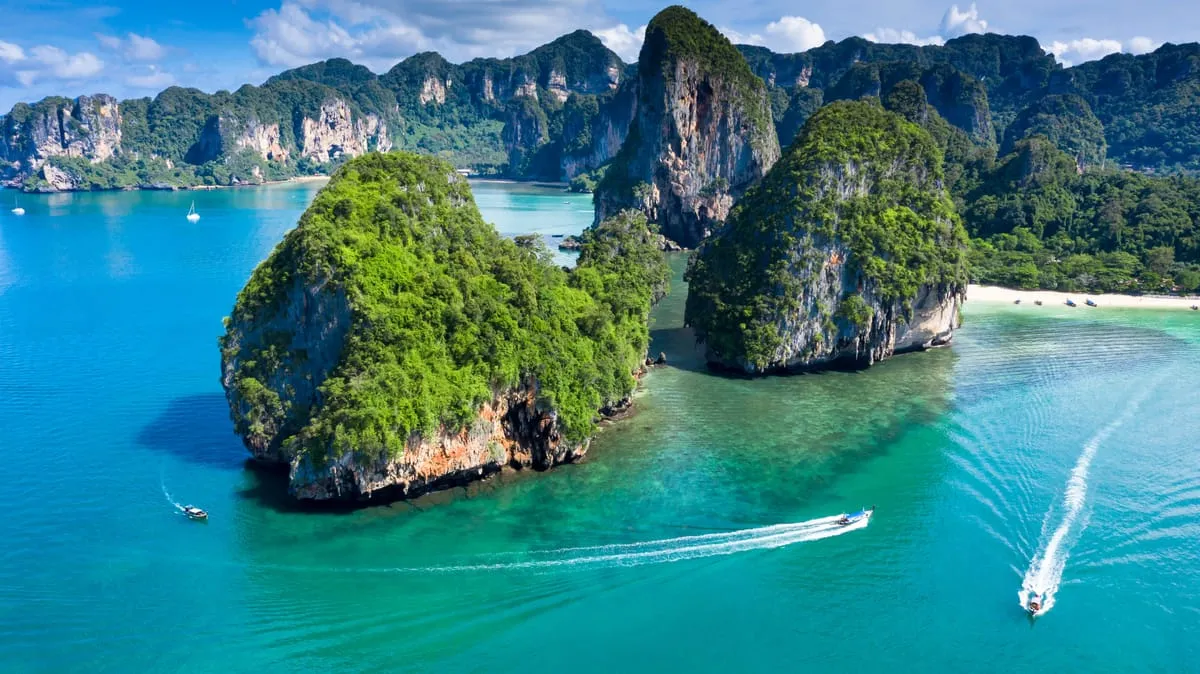
Day 11: Phang Nga Bay and James Bond Island. The limestone towers of Phang Nga Bay are best seen from a sea canoe, which can slip into hidden lagoons inside the islands. The Phang Nga Bay sea-canoe and James Bond Island tour has more than 5,000 reviews on Viator and is the trip we’d book first after Phi Phi.
Days 12 and 13: your choice. Old Phuket Town’s Sino-Portuguese shophouses make a good half day, or take a day trip to Railay and Krabi’s four islands. If you’d rather base yourself in Krabi for the whole beach leg, Ao Nang is the place: the Holiday Inn Resort Krabi Ao Nang Beach is near the beach and the longtail boats to Railay, and the small-group four islands sunset tour with night plankton swimming is the best-rated Krabi island trip we found. Phi Phi day trips also run from Krabi.
Day 14: fly home
Fly from Phuket or Krabi back to Bangkok, about 1.5 hours, and connect to your flight home. Two rules save trips:
- Leave at least 3 to 4 hours between the domestic arrival and an international departure if they’re on separate tickets. A delayed domestic flight doesn’t oblige your long-haul airline to rebook you.
- Fly into the right airport. Most long-haul flights leave from Suvarnabhumi (BKK), while many budget domestic flights land at Don Mueang (DMK), an hour away. Book your domestic flight into Suvarnabhumi.
The May to October version: swap in Koh Samui
From May to September, the Gulf of Thailand is drier than the Andaman coast: Ko Samui averages 113 mm to 147 mm (4.4 to 5.8 in) of rain a month, against 237 mm to 387 mm (9.3 to 15.2 in) on Phuket. Keep days 1 to 7 as they are, then fly to Samui instead of Phuket on day 8, using Koh Phangan and Koh Tao for day trips. Avoid this version from October to December, when Samui gets most of its rain.
How much do the tours in this itinerary cost?
These are the “from” prices on Viator and GetYourGuide on October 30, 2026, for one adult. Admission fees, national park fees and hotel pickup outside the main areas can be extra, so check what each listing includes.
| Tour | Day | From | Dollars |
|---|---|---|---|
| Grand Palace and temples tour | 2 | THB 440 | about $13 |
| Midnight Food Tour by tuk-tuk | 3 | THB 2,500 | about $74 |
| Hands-off jungle elephant tour | 5 | $75 | about THB 2,530 |
| Grandma’s Home cooking class | 6 | THB 1,522 | about $45 |
| Chiang Rai temples day trip | 7 | $30 | about THB 1,010 |
| Phi Phi speedboat day trip | 9 | THB 2,800 | about $83 |
| Phang Nga Bay sea canoe and James Bond Island | 11 | $96 | about THB 3,235 |
| Total | about THB 14,000 | about $420 |
On top of that, budget the THB 400 Phi Phi park fee, about THB 500 for the Grand Palace if your tour doesn’t include admission, and local transport, which is cheap: THB 45 for the Bangkok airport train, THB 40 for the Chiang Mai airport bus and THB 100 for the Phuket Smart Bus.
Practical tips for Americans
Entry. Since September 15, 2026, US passport holders can stay up to 30 days visa-free for tourism, down from 60, according to the Tourism Authority of Thailand. Every visitor must also complete the free Thailand Digital Arrival Card at the official immigration site within three days before arriving, the Royal Thai Embassy confirms.
Staying connected. You’ll use data every day for Grab rides, maps, boat pickups and messaging tour operators. US carriers’ day passes add up over two weeks (Verizon’s TravelPass costs $12 a day per line, or $168 for 14 days), so buy an Airalo eSIM for Thailand before you fly. Use code GUIDEZ15 at checkout if you’re new to Airalo, or GUIDEZ10 if you’ve bought from them before. Our eSIM vs local SIM vs roaming comparison explains the trade-offs, and our pick of the best eSIMs for international travel weighs Airalo against Holafly and eSIMx.
Money. Hotels, malls and tour bookings take US cards, but street food, songthaews, longtail boats and park fees are cash only. Thai ATMs charge foreign cards a flat fee on every withdrawal, shown on screen before you confirm, so withdraw larger amounts less often and decline the ATM’s offer to convert to dollars.
Temples. Cover shoulders and knees, take your shoes off before entering a temple building, and never point your feet at a Buddha image.
Tipping. It isn’t expected the way it is at home. Rounding up a taxi fare or leaving small change at a restaurant is plenty, and tip guides and boat crews if they were good.
For more first-trip planning, our Japan 2-week itinerary uses the same city-then-countryside rhythm, and the December winter-sun guide compares Thailand with the Caribbean and the Canary Islands. To start booking, lock in the Phang Nga Bay sea-canoe trip and the Phi Phi speedboat from Day 9, which fill up first between December and February, and add the arrival transfer from Day 1. For restaurants, markets and places to stay picked by someone who’s been, open Shirly Glick Alon’s Thailand map on Guidez, which is in Hebrew.