A Chianti wine tour from Florence costs from about €35 (about $39) for a half-day coach trip to two wineries, up to €125-€240 (about $139-$266) for a small group with lunch (Viator prices checked October 2026). For a first visit, our pick is the small-group Tuscan wineries, olive oil and gourmet lunch tour.
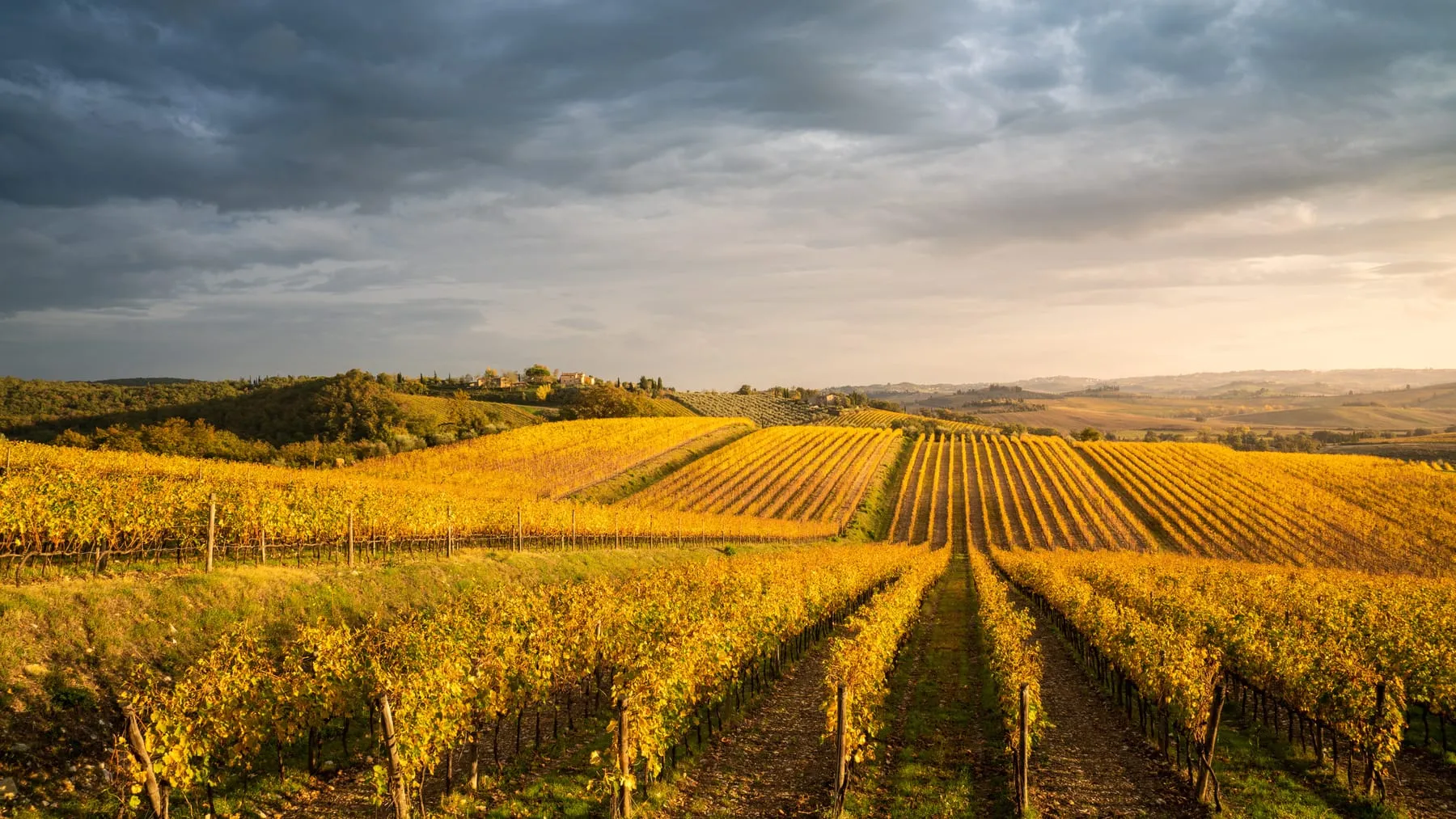
It visits three wineries in about eight hours, with a driver-guide and a Tuscan lunch, so nobody in your group has to drive after tasting. The vineyards of Chianti Classico start about 19 miles (30 km) south of the city, so even a half day gets you real tastings.
How much does a Chianti wine tour from Florence cost?
We compared the most-booked wine tours from Florence on Viator in October 2026. Prices are the “from” price per adult; dollar figures use €1 = $1.11. Each tour is linked in our picks below the table.
| Tour | Type | Length | What’s included | From | Best for |
|---|---|---|---|---|---|
| Tuscan wineries, olive oil and gourmet lunch | Small group | About 8 hours | 3 wineries, wine, olive oil and balsamic tastings, Tuscan lunch | €149 ($165) | A first full wine day |
| Seven Tuscan wines at a 12th-century estate | Small group, max 15 | About 4.5 hours | Estate tour, sommelier-led tasting, lunch | €125 ($139) | A half day with lunch |
| Chianti wine experience with tastings and views | Group, coach | Half day | 2 wineries with tastings and snacks, optional town stop | €35 ($39) | Budget |
| Chianti tastings at sunset | Small group, max 8 | Afternoon to evening | 2 wineries, vineyard walk | €129 ($143) | An evening out |
| Small-group Tuscany Vespa tour | Small group | Full day | Vespa ride through the hills, winery lunch and tasting | €149 ($165) | Couples who want to ride |
| Chianti hills e-bike tour | Group | Day | E-bike, Tuscan lunch, two tastings | €45 ($50) | Active travelers |
| San Gimignano, Siena, Monteriggioni and Chianti lunch | Group, coach | Full day | 3 towns, winery lunch with tasting | €79 ($88) | Towns first, wine second |
| Val d’Orcia with wine and cheese tastings | Group | About 11.5 hours | Montalcino, Pienza, Montepulciano, tastings | €78 ($87) | Brunello country on a budget |
| Brunello wine tour with 2 wineries and farm lunch | Small group | About 9 hours | 2 family-run Brunello wineries, lunch | €207 ($230) | Serious red-wine fans |
The pattern is simple: big coach tours that mix towns and wine cost €35-€80, and small groups that spend the whole day at wineries cost two to three times that. You’re paying for smaller tasting rooms, more wine and fewer people around the table.
Most Viator tours can be canceled free of charge up to 24 hours before the start (check the listing), which matters for a day that depends on the weather and on how you feel after a long Florence evening.
Half-day or full-day: which should you choose?
Choose by how much of the day you want to give to wine, not by price alone.
- Half day (4-5 hours): two wineries, back in Florence for an afternoon at the Uffizi or an evening out. Best if you’re in Florence for two or three days and Chianti is one item on a long list.
- Full day, wine only (8-9 hours): three wineries and a long lunch. Best if wine is the reason you came to Tuscany.
- Full day, towns plus wine (10-12 hours): Siena and San Gimignano with one winery lunch. Best if it’s your only day outside Florence and you want to see the hill towns too.
Our decision rule: if you’ll taste at more than two wineries, book a small group. Big coach tours put a whole busload into one tasting room, so the second and third stops feel rushed. If two wineries is plenty, the €35 half-day coach tour is honest value.
What to check before you book
Wine tour listings look alike, so read four lines of the itinerary before you pay:
- Is lunch a meal or a snack? “Tasting with snacks” means bread, cheese and salami. “Lunch” should list courses.
- How many wineries, and how many wines at each? Three stops with three wines each is a lot of wine; two stops is a gentler day.
- Where does it start? Most group tours meet at a set point in Florence, often near Santa Maria Novella station. Hotel pickup is usually a private-tour feature.
- Group size. “Small group” can mean 8 or 20. The listings that state a maximum, such as 8 or 15, are the ones to trust.
The best Chianti wine tours from Florence
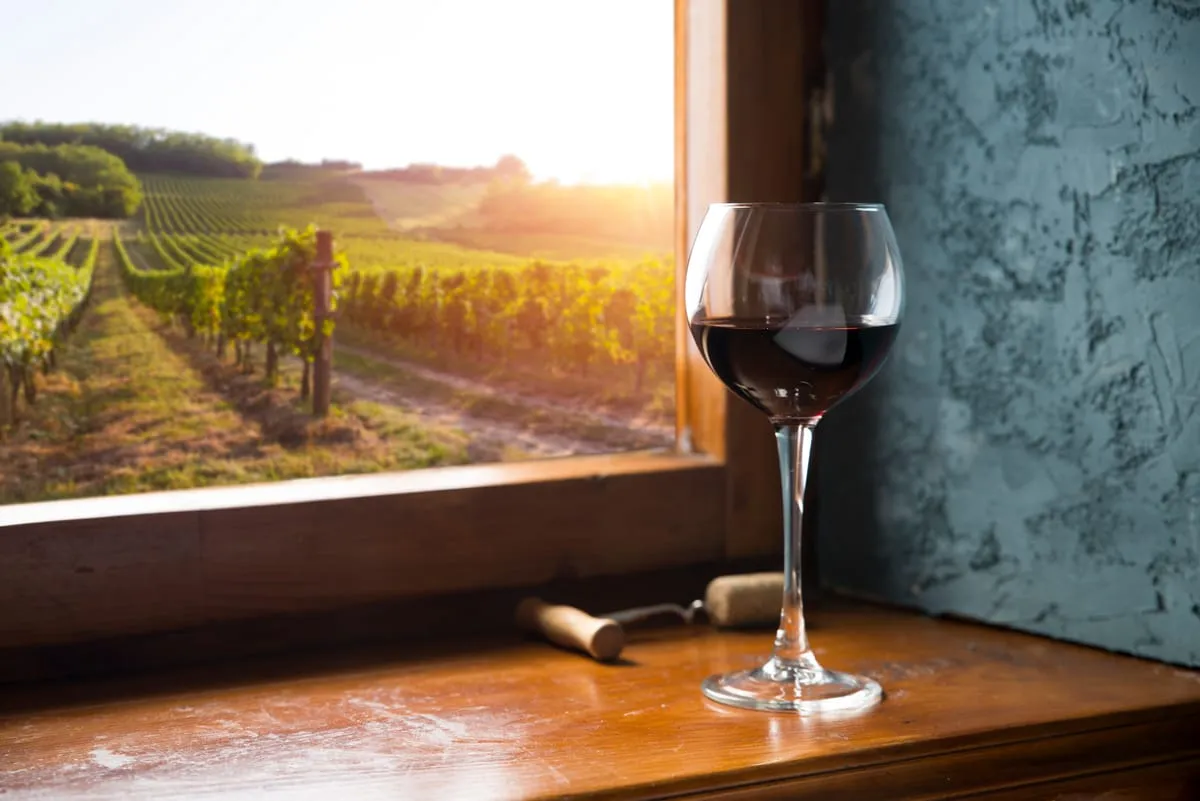
- Best overall: the small-group Tuscan wineries, olive oil and gourmet lunch tour leaves Florence at 9 am and visits three wineries, with tastings of wine, olive oil and balsamic vinegar and a lunch of cured meats, cheese, bruschetta, handmade pasta and dessert. One reviewer noted that the lunch stop is an event space rather than a full cellar tour, so treat it as a meal stop.
- Best half day: the Chianti tasting with seven Tuscan wines takes about 4.5 hours, with a tour of a 12th-century estate, a sommelier’s lesson on the local grapes, a guided tasting and a Tuscan lunch, in a group of 15 at most.
- Best budget: the Chianti wine experience with tastings and views is a coach tour to two wineries for Chianti Classico tastings with olive oil and Tuscan snacks. You can add a stop in San Gimignano on the morning departure or Monteriggioni in the afternoon. It doesn’t include a full lunch, so eat before you go.
- Best for an evening: the sunset Chianti tour visits two wineries for tastings and a walk in the vines as the light drops, with no more than eight people. It suits a day you’ve already spent in museums.
- Best on two wheels: the small-group Vespa tour has you ride a Vespa through the Chianti hills, either your own or sharing one, with a winery lunch and tasting. The rider should go easy at lunch. The cheaper e-bike tour of the Chianti hills includes a Tuscan lunch and two tastings; some reviewers found the pace brisk, so pick it if you ride regularly.
Chianti plus Siena and San Gimignano in one day
If this is your only day in the Tuscan countryside, a combo tour shows you the hill towns and still sits you down at a winery for lunch. Expect a long day of 10 to 12 hours, a big coach and about an hour or two in each town.
- The San Gimignano, Siena, Monteriggioni and Chianti day trip covers three towns and stops at a Chianti winery for lunch with a tasting. It’s the better pick if you care more about Siena than about Pisa.
- The Tuscany day trip with Siena, San Gimignano, Pisa and lunch at a winery is one of the most-booked day trips from Florence on Viator, and it adds a Leaning Tower photo stop. If Pisa is on your list anyway, compare it with doing Pisa on its own by train in our Pisa day trip from Florence guide.
The trade-off: wine is one stop of four on these tours. You’ll taste a few wines with lunch, not compare producers. Wine lovers should book a wine-only tour and see Siena another day.
Montalcino and Montepulciano: Brunello tours from Florence
Brunello di Montalcino is Tuscany’s most famous red, and it comes from a hill town about 70 miles (110 km) south of Florence, close to two hours each way by road. The rules are strict: Brunello is made only from Sangiovese, spends at least two years in oak and can’t be released until January 1 of the fifth year after the harvest (six for a Riserva), according to the Brunello producers’ consortium. Nearby Montepulciano makes Vino Nobile, so many tours pair the two.
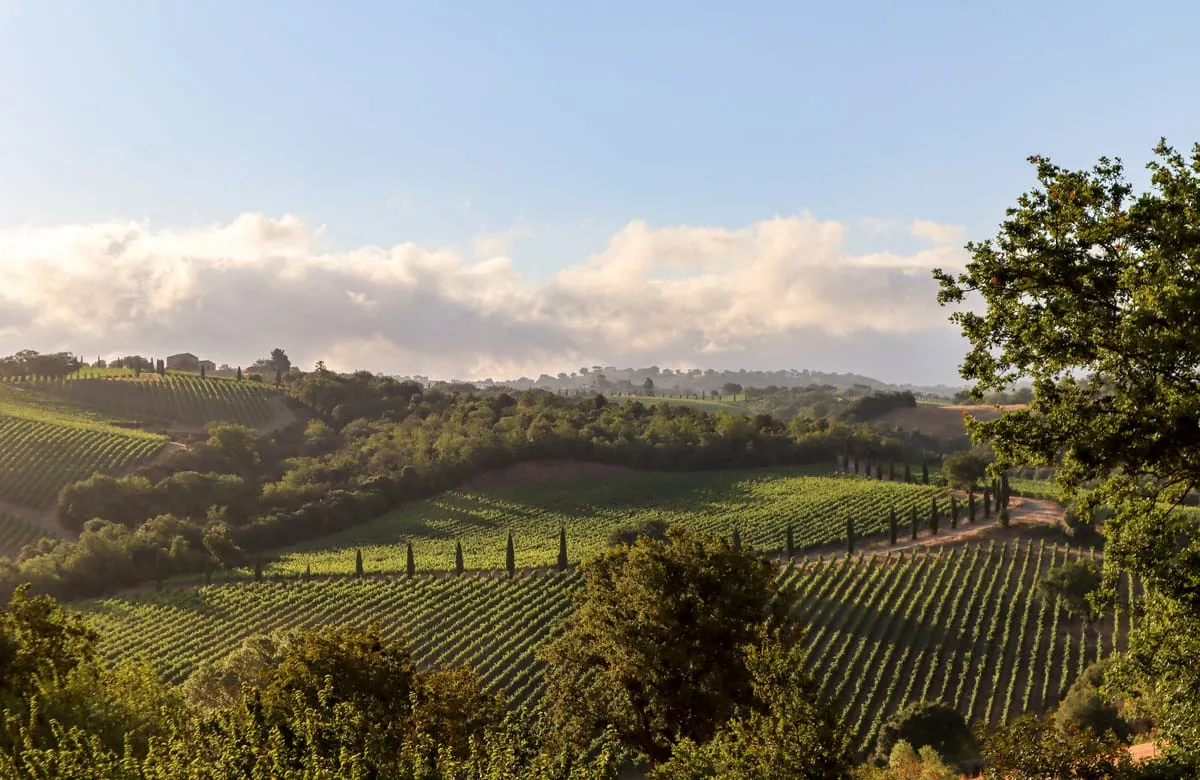
- Best value: the Val d’Orcia day tour with wine and cheese tastings runs about 11.5 hours through Pienza, Montalcino and Montepulciano, with a tasting in a historic Montepulciano cellar. It’s a sightseeing day with wine in it.
- Best for Brunello itself: the Brunello wine tour with two wineries and lunch at a farm spends about nine hours on two family-run Brunello estates, a multicourse lunch and some free time in Montalcino. It costs more because the group is small and the wines are expensive to pour.
Rule of thumb: with one free day and a love of big reds, Montalcino beats a second Chianti day. With only a morning, stay in Chianti.
Chianti Classico in a minute: what you’ll taste
The Chianti Classico zone covers 71,800 hectares (about 177,500 acres) between Florence and Siena, according to the Chianti Classico consortium. Greve, Castellina, Gaiole and Radda in Chianti lie entirely inside it, and parts of four other towns are included. Look for the Black Rooster on the neck of the bottle.
| Wine | Grape rule | Minimum aging |
|---|---|---|
| Chianti Classico (annata) | At least 80% Sangiovese | 12 months |
| Chianti Classico Riserva | At least 80% Sangiovese | 24 months, including 3 in bottle |
| Chianti Classico Gran Selezione | At least 90% Sangiovese, rest native red grapes | 30 months, including 3 in bottle |
Figures are from the consortium’s wine types page. Most tastings pour an annata and a Riserva side by side, often with the estate’s olive oil, and some add Vin Santo, the sweet dessert wine. “Chianti” without “Classico” comes from a much larger area around the historic zone and is usually the lighter, cheaper wine you know from US supermarkets.
Harvest season runs from the first half of September to the second half of October, depending on the vineyard and altitude, according to the consortium. That’s the busiest and best-looking time to go, so book early for September and October dates.
Can you visit Chianti wineries without a tour?
You can, by rental car, but someone has to stay sober. Italy’s legal blood-alcohol limit for most drivers is 0.5 grams per liter (0.05%), below the 0.08% standard in most US states, and drivers in their first three years of holding a license must not drink at all.
If you do drive:
- Bring an International Driving Permit. The US Embassy in Italy says American tourists who plan to drive should get one before leaving the US.
- Pick up the car outside the center. Florence’s historic center is a limited-traffic zone (ZTL) enforced by cameras, and fines arrive at your home address months later. Our car rental tips for Europe explain how to avoid them.
- Book wineries ahead. Many estates take visitors by appointment only, so plan your stops before you set off.
A Hertz rental makes sense if you’re touring Tuscany for several days and have a designated driver. For a single wine day from Florence, a tour costs less than a car plus parking and lets everyone taste.
Tips for your Chianti wine day
- Eat breakfast. Half-day tours serve snacks, not meals, and you’ll taste six to eight wines.
- Wear shoes for gravel and dirt. Cellar visits involve stairs and vineyard paths.
- Shipping and packing wine. US Customs lets travelers 21 and over bring one liter of alcohol home duty-free; more is allowed if your arrival state permits, with duty and tax on the excess, according to CBP. Put bottles in checked bags, since carry-on liquids are limited to 3.4 oz. Some wineries can ship to the US, so ask during the tasting.
- Tip if you were happy. Tipping isn’t expected in Italy the way it is at home, but a few euros in cash for a driver-guide who made the day is appreciated.
- Keep your phone online. Meeting points, the guide’s WhatsApp and your ride back all live on your phone, and US carriers’ international day passes add up: Verizon’s TravelPass costs $12 a day per line in Europe. An Italy eSIM from Airalo is set up before you fly; use code GUIDEZ15 at checkout if you’re new to Airalo, or GUIDEZ10 if you’ve bought from them before.
Plan the rest of your Florence days
Full-day tours leave Florence in the morning and return in the evening, so plan museums for your other days; our 2-day Florence itinerary covers the David, the Duomo, the Uffizi and the Oltrarno for your days in the city. Heading south after Tuscany? Our Capri day trip guide covers the ferries from Naples and the Blue Grotto. Our Uffizi and Accademia tickets guide and Florence Duomo climb tickets guide explain which slots to book first, and our Pisa day trip from Florence covers the easiest train day trip from the city. For restaurants and wine bars back in town, open Traveliri’s Florence map on Guidez, which is in Hebrew.
Ready to book? Reserve the small-group three-winery tour with lunch for your first free day in Florence, and keep Montalcino in mind if you have a second.