The Roma Pass vs Omnia Card choice comes down to the Vatican: the Roma Pass (€38 for 48 hours or €62.90 for 72, about $42 or $70) covers one or two museums plus transit, and the Omnia Card (€149, about $165) adds the Vatican Museums (prices checked October 2026). On a normal first trip neither saves money, so book timed visits instead, starting with the Colosseum and Forum tour.
We priced both against single tickets. The Roma Pass gives free entry to one or two Rome museums plus unlimited buses and metro; the Omnia Card adds the Vatican Museums, a hop-on hop-off bus and two church sites to a 72-hour Roma Pass. Our pick for most Americans is to skip the passes, book the Colosseum tour above, with optional arena or underground access, and a small-group Vatican Museums, Sistine Chapel and St Peter’s tour, then tap your US card on the metro.
Roma Pass vs Omnia Card at a glance
Prices are official adult prices from the Roma Pass page of Rome’s civic museums and the Omnia Card 72H page, checked October 2026, with dollars at €1 = $1.11.
| Roma Pass 48h | Roma Pass 72h | Omnia Card 72H | |
|---|---|---|---|
| Adult price | €38 (about $42) | €62.90 (about $70) | €149 (about $165) |
| Child price | No child pass needed | No child pass needed | €69 (about $77) for ages 6 to 17, without the Roma Pass part |
| Free museum entries | 1 | 2 | 2 (through its Roma Pass) |
| Reduced entry at other circuit sites | Yes | Yes | Yes |
| Buses, trams and metro | 48 hours | 72 hours | 72 hours |
| Vatican Museums and Sistine Chapel | No | No | Yes, with a booked slot |
| Hop-on hop-off bus | No | No | Yes |
| Extras | Free P.stop public restrooms | Free P.stop public restrooms | St John Lateran cloister and basilica, Mamertine Prison, audio guides |
| Where to buy | Roma Pass on GetYourGuide | Same listing | Omnia Vatican and Rome Pass on Viator |
The Roma Pass counts more than 45 museums, archaeological sites and “experiences” in its circuit, including the Colosseum, Roman Forum and Palatine, Castel Sant’Angelo, the Borghese Gallery and the Capitoline Museums. The free entries go to the first sites you visit, so start with the priciest ones.
What does the Roma Pass include?
The Roma Pass is Rome’s official city card, sold by the city in two versions. You can buy it as a digital card in the Roma Pass app or as a physical card at the city’s tourist info points, and the clock starts at your first use, at a museum or on the metro.
- 48 hours, €38: free entry to one museum or site, reduced entry at the others you visit, and unlimited rides on Rome’s urban network for 48 hours.
- 72 hours, €62.90: free entry to two museums or sites, the same reductions, and 72 hours of unlimited rides.
Both include discounts on some exhibitions and tourist services, and free use of the city’s P.stop restroom network.
What it doesn’t include: the Vatican Museums, St Peter’s dome, airport trains and any guide. “Free entry” also isn’t the same as walking in. Roma Pass holders must still reserve a Colosseum time slot, and the Roma Pass FAQ says booking through its ticketing platform carries a €2 fee per ticket (booking by email is free) and opens up to one month ahead. The Borghese Gallery takes visitors only with a reservation, pass or no pass.
The GetYourGuide listing in the table above delivers the same official card in either length and is non-refundable, so buy it once your dates are fixed. Its price can sit a little above the city’s face value.
What does the Omnia Card include?
The Omnia Card is sold by Opera Romana Pellegrinaggi, the Diocese of Rome’s pilgrimage agency, and combines its own Vatican and church sites with a 72-hour Roma Pass. For €149 an adult gets:
- Vatican Museums and Sistine Chapel entry with priority access. You book a time slot, and if your slot is on the day you collect the card, you must reach a collection point at least one hour before.
- A hop-on hop-off open-top bus around central Rome. The Colosseum stop was suspended when we checked.
- St John Lateran: entry to the cloister and basilica with an audio guide. The cloister closes on Sundays and public holidays.
- The Mamertine Prison (Carcer Tullianum) with an audio guide.
- Audio guides for walking routes through central Rome, played on your own phone.
- A 72-hour Roma Pass for adults: two free entries, reduced entries and 72 hours of public transport.
The physical card is collected at an Opera Romana Pellegrinaggi office in Rome. Ages 6 to 17 pay €69 and get the Omnia services only, because under-18s already get free or reduced entry at most Rome sites.
The official Omnia page says the current card package can be used until December 31, 2026. If you’re traveling in 2027, check the validity date on the listing before you pay.
The cheaper Omnia versions
- Omnia Card 24H, €69 (about $77): Vatican Museums, the hop-on hop-off bus, the Mamertine Prison and St John Lateran for 24 hours. No Roma Pass and no public transport. Ages 6 to 17 pay €49.
- Omnia Smart, €99 (about $110): a digital pass with the Vatican Museums, the Colosseum, Forum and Palatine (collected at the Mamertine Prison), the Lateran Palace and audio guides, usable over 12 months. No transport and no bus.
Both are hard to justify against single tickets: the Vatican (€25) and the Colosseum (€18) together cost €43 at face value.
Is the Roma Pass or Omnia Card worth it? We did the math
We priced a typical 3-day first visit for one adult: the Colosseum, the Vatican Museums, Castel Sant’Angelo and the Pantheon, with eight metro or bus rides. Single tickets use October 2026 official prices: Colosseum €18, Vatican Museums €25 online, Castel Sant’Angelo €18 (since July 1, 2026), Pantheon €7 and €1.50 per ride on ATAC’s tap-to-pay fares.
| How you pay | What you pay | Total |
|---|---|---|
| Single tickets, tap-to-pay transit | €18 + €25 + €18 + €7 + 8 rides at €1.50 | €80 (about $89) |
| Roma Pass 72h | €62.90 (Colosseum and Castel Sant’Angelo free, transit included) + €2 Colosseum booking fee + €25 Vatican + €7 Pantheon | €96.90 (about $108) |
| Omnia Card 72H | €149 + €2 Colosseum booking fee + €7 Pantheon | €158 (about $175) |
The pay-as-you-go plan wins by about €17 over the Roma Pass and €78 over the Omnia Card. A couple pays double those gaps.
When the Roma Pass pays off
Swap the eight taps for a full 72-hour transit ticket (€22 on Rome’s current fare table) and the 72-hour Roma Pass still replaces only about €58 of tickets: €18 + €18 + €22. You’d need to make up the last €5 or so through the pass’s reduced rates at other circuit museums. Our rule:
- Buy the 72-hour Roma Pass if you’ll see three or more paid sights outside the Vatican in those three days, at least two of them €18 sights like the Colosseum, Castel Sant’Angelo or the Borghese Gallery, and you’ll ride the metro or buses several times a day.
- Buy the 48-hour Roma Pass only on a short, busy trip that uses its free entry on an €18 site and needs two days of transit: €18 plus a €15 48-hour ticket is €33, against €38 for the pass.
- Skip both if you mostly walk, which most visitors staying in the Centro Storico or Monti do. Central Rome is compact, and tap-to-pay caps at €8.50 a day anyway.
When the Omnia Card pays off
Bought separately, the Omnia Card’s main parts cost about €130.90: Vatican Museums €25, a 72-hour Roma Pass €62.90, Omnia’s own open-top bus €33 and the Mamertine Prison €10. Add the St John Lateran cloister and you get close to the €149 price, but only if you’d want every part. Without the bus and the two church sites, you’re paying about €60 extra for one booking instead of three.
Buy the Omnia Card if all of these fit: you’d ride a hop-on hop-off bus anyway, you want to see St John Lateran and the Mamertine Prison, and you prefer one purchase over juggling time slots. Otherwise a standalone Rome hop-on hop-off bus ticket plus single entries costs less.
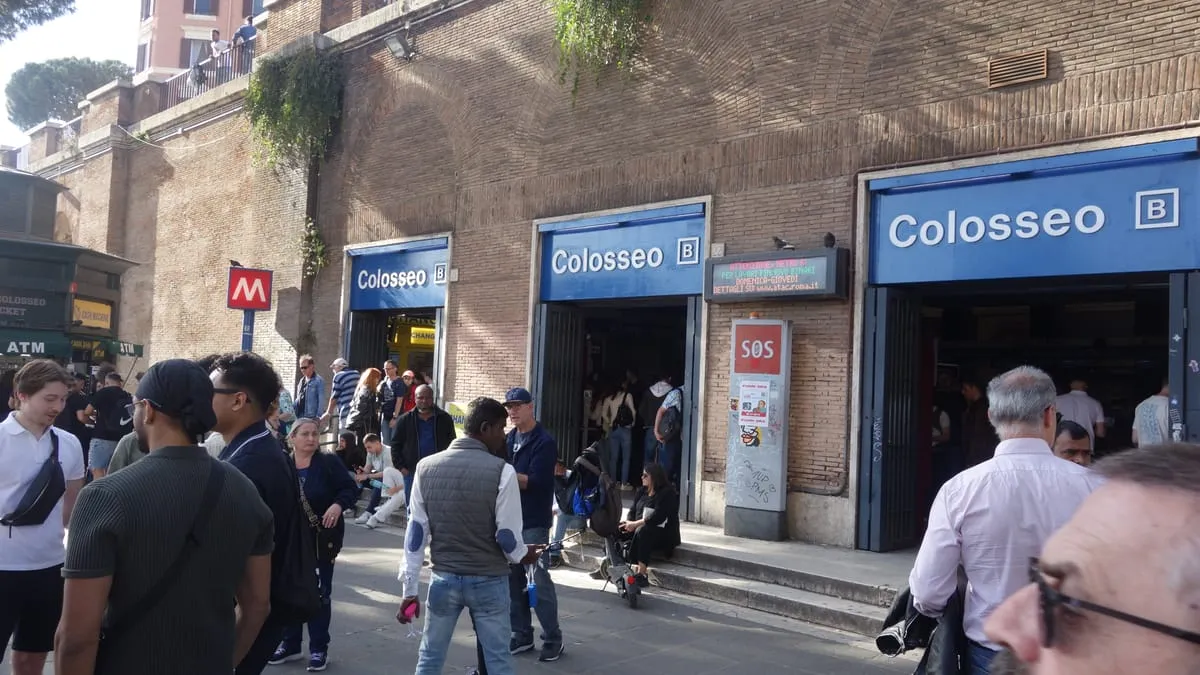
The Colosseo stop on metro line B sits across the street from the amphitheater. With tap-to-pay, the ride there costs the same €1.50 as any other, pass or no pass.
Which should you book? Our picks
- Best for most first-time visitors: no pass. Book the Colosseum and Forum tour with optional arena or underground access, which can be canceled for free up to 7 days before, and the small-group Vatican, Sistine Chapel and St Peter’s tour, which ends inside St Peter’s Basilica. Official Colosseum and Vatican tickets can’t be refunded, while both tours showed free cancellation when we checked.
- Best on a budget: single timed tickets. The Colosseum, Forum and Palatine entry with an audio guide and the Vatican Museums and Sistine Chapel ticket with audio guide cost a little more than face value but come with an audio guide, and partners often still have slots after the official calendar fills.
- Best for museum-heavy trips: the 72-hour Roma Pass. If you’ll hit the Colosseum, Castel Sant’Angelo, the Borghese Gallery and the Capitoline Museums in three days and ride the metro daily, the Roma Pass on GetYourGuide covers it on one card. Add the Vatican separately.
- Best for an all-in-one Vatican and Rome package: the Omnia Card, if you want the hop-on bus and the church sites. The Omnia Vatican and Rome Pass on Viator is the 72-hour card. Reviews are mixed, and some buyers found collecting the physical card confusing, so plan the pickup into your first morning.
- Best for families: no pass at all. Under-18s enter the Colosseum and Castel Sant’Angelo free and pay €10 at the Vatican Museums (€15 online), so a pass for a child is wasted money.
How to use the Vatican without the Omnia Card
The Vatican is the one big sight the Roma Pass can’t touch, so it decides whether the Omnia Card is even on the table. An adult Vatican Museums ticket costs €25 online, which is €20 plus a €5 booking fee, according to the Vatican Museums’ price page. The ticket includes the Sistine Chapel, and St Peter’s Basilica next door is free.

Three ways to do the Vatican, cheapest first:
- A timed ticket, such as the skip-the-line Vatican Museums ticket with audio guide. Good if you’re happy to explore alone.
- A guided tour that ends in St Peter’s, our pick for a first visit: the small-group tour in our picks above handles the booking, the route and the walk into the basilica.
- The dome climb is extra on any plan. The St Peter’s Basilica and dome ticket with audio guide adds the climb and the view over the square.
Our Vatican Museums tickets guide covers closed days, the dress code and the free last Sunday of the month, and our Colosseum tickets guide explains the arena and underground tickets the Roma Pass doesn’t cover.
Rome transit without a pass
You don’t need a pass to ride Rome’s metro, buses and trams. Tap a contactless card or phone at the gate or on the bus reader: each tap costs €1.50 and is valid for 100 minutes, with one metro journey included, and ATAC caps your spending at the €8.50 24-hour fare once you ride enough in a day. Most US credit cards with the contactless symbol work, but check that yours has no foreign transaction fee. Use the same card or device for every tap, or the cap won’t apply.
Timed tickets are the other option: €8.50 for 24 hours, €15 for 48 hours, €22 for 72 hours and €29 for seven days. A 72-hour ticket only beats tap-to-pay if you ride about 15 times. Neither tap-to-pay nor the Roma Pass covers the airport trains: see our Fiumicino to Rome guide for the Leonardo Express.
Your tickets, your metro taps and your maps all run on your phone, and US carriers’ international day passes add up over a week. An Italy eSIM from Airalo is set up before you fly; use code GUIDEZ15 at checkout if you’re new to Airalo, or GUIDEZ10 if you’ve bought from them before.
Roma Pass and Omnia Card tips if you buy one
- Visit the most expensive sites first. The Roma Pass applies its free entries to the first one or two sites you enter. Spend them on €18 sites, not a €6 museum.
- Book the Colosseum as soon as you have the pass. Slots for Roma Pass holders open one month ahead and can run out at busy times.
- Activate on a full day. Validity counts in hours from your first use, so starting at 5 pm on arrival day wastes most of a day.
- Carry the pass itself. At the Colosseum, a reservation without the Roma Pass won’t get you in.
- Check Omnia pickup hours before you plan your first morning, and allow an hour before a same-day Vatican slot.
- Disabled visitors get free entry without queuing at most of these sites, and the Omnia site itself says its card isn’t recommended for them.
If you’re still building your days, our 3-day Rome itinerary puts the Colosseum, the Vatican and the Borghese Gallery in a workable order, and our guide to where to stay in Rome picks the neighborhoods that let you walk most of it. For a half day away from the pass sights, our Rome catacombs tour guide explains which catacomb to see and how to get out to the Appian Way. A Pompeii day trip from Rome fits a fourth day, and our Trenitalia vs Italo comparison covers the trains that get you there. For restaurants and places between the sights, open Maya Barkan’s Rome map on Guidez, which is in Hebrew. And if you book one thing today, make it the Colosseum and Forum tour: it’s the sight that sells out first, and the tour can be canceled for free up to a week ahead.