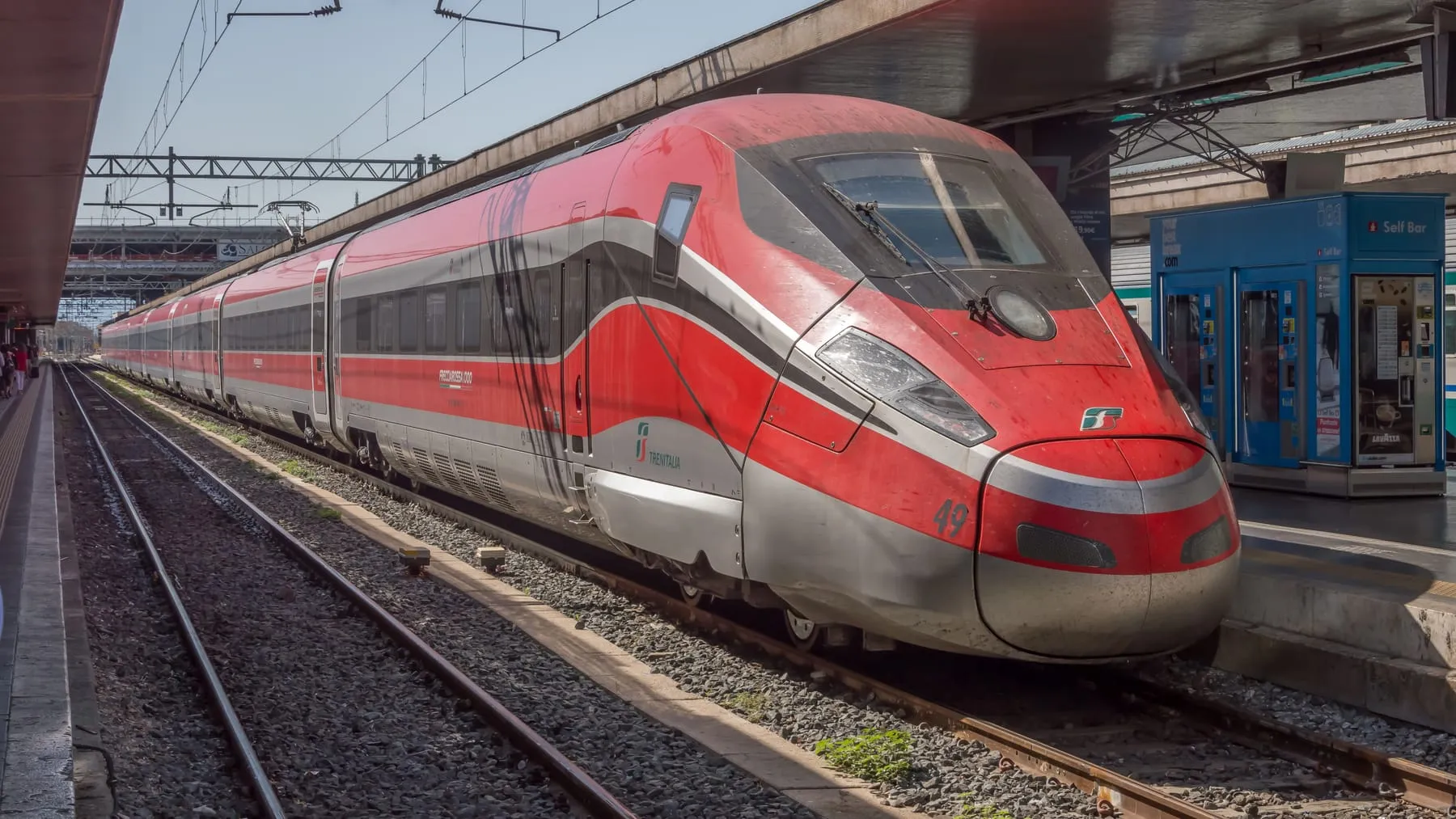
Trenitalia vs Italo is mostly a price question: both run high-speed trains on the same tracks between Milan, Venice, Florence, Rome and Naples, in the same times. Rome to Florence advance fares started at €14.90 (about $17) on Italo and around €19.90 (about $22) on Trenitalia’s Frecciarossa when we checked in October 2026. Search Rome to Florence trains on Omio to compare both.
So the right train is the cheapest one leaving when you want to go, and flexible fares on either run €50 or more. Trenitalia also runs every regional train, so it’s the one you need for smaller towns and the one Eurail covers. Omio sells both companies’ tickets with the seat reservation included.
Trenitalia vs Italo at a glance
| Trenitalia | Italo | |
|---|---|---|
| Who runs it | Italy’s state railway (FS group) | NTV, a private company, running since 2012 |
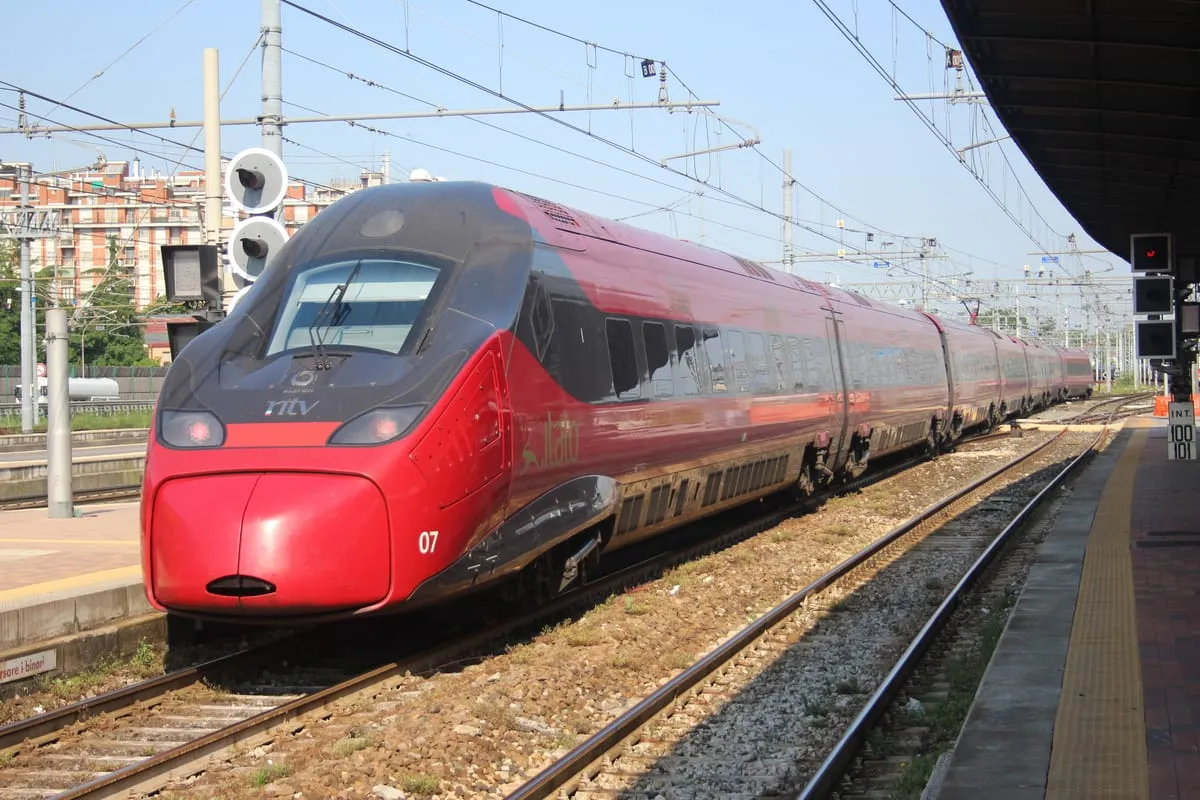
| High-speed trains | Frecciarossa, plus Frecciargento and Frecciabianca | Italo (AGV and EVO trains) |
| Regional and Intercity trains | Yes, nationwide | No |
| Main high-speed routes | Turin, Milan, Venice, Bologna, Florence, Rome, Naples, Salerno, plus Verona, Bari, Lecce and Reggio Calabria | Same core routes, plus Verona, Bari, Reggio Calabria and others |
| Classes on high-speed trains | Standard, Premium, Business, Executive | Smart, Prima Business, Club Executive |
| Food | Cafe-bar on Frecciarossa | Vending machines in Smart; snacks served in Prima and Club |
| Eurail and Interrail passes | Valid, with a paid seat reservation | Not valid |
| Kids | Ages 4 to 14 get 50% off the Base fare; FrecciaFAMILY makes under-15s free | Italo Family: under-14s free, adults 50% off Flex in Smart |
Both sell e-tickets with an assigned seat on every high-speed train. Seat61 notes that Trenitalia runs a slightly more frequent service, while Italo usually runs about hourly on the Milan-Florence-Rome-Naples line.
Is Trenitalia or Italo cheaper?
Neither is cheaper every time: Italo’s advance fares usually start a few euros lower, but the cheaper company on any given train depends on how full it is. High-speed fares on both work like airline fares, with a limited number of cheap seats per train that rise as the train fills. The table shows Italo’s own “from” prices, checked in October and November 2026 and Trenitalia’s advance and flexible fares as reported by Seat61’s guide to trains in Italy, with journey times from Italo’s route pages.
| Route | Fastest time | Italo from | Trenitalia advance from | Trenitalia flexible (Base) | Book |
|---|---|---|---|---|---|
| Rome to Florence | About 1 hr 25 min | €14.90 (about $17) | €19.90 (about $22) | About €50 to €55 | Compare on Omio (link above) |
| Rome to Naples | About 1 hr to 1 hr 10 min | €14.90 (about $17) | €19.90 (about $22) | About €44 | Compare Rome to Naples trains on Omio |
| Rome to Milan | 2 hr 50 min to 3 hr | €29.90 (about $33) | €29.90 (about $33) | Varies | Search on Omio |
| Rome to Venice | About 3 hr 35 min | €29.90 (about $33) | €29.90 (about $33) | About €92 to €99 | Search on Omio |
| Florence to Venice | About 2 hr | €18.90 (about $21) | €19.90 (about $22) | About €57 | Search on Omio |
| Milan to Venice | About 2 hr 15 min to 2 hr 30 min | Varies | €19.90 (about $22) | Varies | Search on Omio |
| Milan to Bologna | About 1 hr | €12.90 (about $14) | Varies | Varies | Compare Milan to Bologna trains on Omio |
Volume: Italo lists 32 daily trains between Rome and Florence, 31 between Rome and Naples, 33 between Rome and Milan and 11 between Rome and Venice. Trenitalia says it runs about 100 Frecciarossa connections a day between Rome and Milan, roughly one every 15 minutes at peak times.
Milan to Bologna compared: this is one of the shortest high-speed hops, and a good example of how close the two companies are. Italo’s Milan to Bologna page lists 20 trains a day in each direction, from Milano Centrale or Milano Rogoredo to Bologna Centrale, in about 1 hour 2 minutes, with fares from €12.90 (about $14). Trenitalia’s Frecciarossa runs the same line in about an hour, as part of its Milan to Florence and Rome service, so there are many more departures to choose from. With trains this frequent, pick the cheapest fare within an hour of the time you want.
The real price you’ll see: these “from” fares are for early bookings on quieter trains. On a Friday afternoon in summer, expect both companies to charge close to their flexible fares. The gap between the two is usually smaller than the gap between booking a month ahead and booking the day before.
Fare types and refund rules compared
The cheapest fares on both companies lock you in. If your plans might change, the flexible fare or a refund add-on is worth paying for. Rules below are from Trenitalia’s Frecce fare conditions and Italo’s fares page, checked October 2026.
| Fare | Changes | Refund if you cancel |
|---|---|---|
| Trenitalia Base | Date and time changes allowed, pay any difference | Up to departure, minus 20% |
| Trenitalia Economy | One change of date or time until departure, paying the difference | None, unless you add tiRimborso (€1) |
| Trenitalia Super Economy | Not allowed (name change only) | None, unless you add tiRimborso (€3); sold until midnight on the 9th day before a Frecce departure |
| Italo Flex | Unlimited changes up to 3 minutes before departure | 80% |
| Italo Economy | Unlimited changes up to 3 minutes before departure, for a 20% fee plus any difference | 40% |
| Italo Low Cost | Up to 72 hours before departure, for a 60% fee plus any difference | No refund listed; Italo’s paid Refund Option (selected fares) returns 80% up to 72 hours before |
Trenitalia’s tiRimborso option is the bargain here: for €1 on Economy or €3 on Super Economy, you can cancel until midnight on the second day before departure and get your money back minus 10%. It can’t be added to tickets of €10 or less.
Missed your train? With a Trenitalia Base ticket you can board another train of the same type within an hour of your booked departure for a €10 penalty. Italo Flex includes an hour of “Extra Time” to catch the next available train. Economy and Super Economy tickets on Trenitalia aren’t valid on any other train.
Trenitalia vs ItaliaRail: what’s the difference?
ItaliaRail isn’t a train company. It’s a US-based agency that sells Trenitalia tickets through Trenitalia’s own booking system, so you ride the same Frecciarossa or regional train either way. According to Seat61, ItaliaRail sells Trenitalia only (no Italo trains), lets you pay in US dollars and other currencies, and packages Trenitalia’s trains in its own fare types, called Basic, Viva and Primo. Seat61 also notes that you can’t use Trenitalia’s CartaFRECCIA loyalty card when booking through ItaliaRail.
| Where you buy | Trains it sells | What you pay in | Best for |
|---|---|---|---|
| Trenitalia (website or app) | Trenitalia only | Euros | Trenitalia’s own fares and offers, CartaFRECCIA points |
| ItaliaRail | Trenitalia only | Dollars and other currencies | Americans who want a US agency and English-language support |
| Italo (website or app) | Italo only | Euros | Italo’s own fares and Italo Family deals |
| Omio | Trenitalia and Italo, plus buses | Dollars or euros | Comparing both companies on one screen |
The practical difference is that ItaliaRail and Trenitalia show you only half the high-speed market. So choosing between Trenitalia and ItaliaRail is really choosing how to buy a Trenitalia ticket. On routes where Italo also runs, compare Italo’s fare too before you pay.
What are the best Italo alternatives?
On any route Italo runs, the closest alternative is Trenitalia’s Frecciarossa: same high-speed lines, nearly identical journey times and, on most routes, more departures. Between Rome and Milan alone, Trenitalia runs up to 100 Frecciarossa trains a day. If Italo’s train is full, sold out at the cheap fare or leaves at the wrong time, the Frecciarossa a few minutes before or after usually fixes it.
| Alternative to Italo | Best for | Trade-off |
|---|---|---|
| Trenitalia Frecciarossa | The same city pairs at the same speed | Advance fares often start a few euros higher |
| Trenitalia regional trains | Short hops and towns Italo doesn’t serve | Slower, no assigned seats |
| Long-distance buses (Itabus, FlixBus) | The lowest fares on long routes | Several hours slower than the train |
A note on buses: Itabus has been part of the Italo group since 2023, according to Italo’s announcement, and Italo sells some train-plus-bus combinations with it. Buses only make sense when the train is very expensive on your date or doesn’t reach your town. Omio searches trains and buses together, so one search shows every alternative on your route.
Which is more comfortable?
Both are comfortable, quiet and fast, and the differences are small. Italo has leather seats in every class, power outlets at every seat in Smart and free Wi-Fi, according to Italo’s class guide, but most of its seats face one direction. Frecciarossa seats are arranged in bays that line up with the windows, and it has a cafe-bar for coffee and light meals, which Italo lacks.
Is first class worth it? On trips under two hours, rarely: Standard or Smart is fine. On Rome to Venice or Rome to Milan, Trenitalia Business or Italo Prima Business is worth a look when the price gap is €10 to €15, because you get more legroom and, on Italo Prima, complimentary snacks and drinks. The top tiers, Executive and Club Executive, add catering at your seat and, on Italo, lounge access.
Trenitalia vs Italo: which should you book?
- Best for most trips between big cities: whichever is cheaper at your time. The two are interchangeable on Rome, Florence, Venice, Milan and Naples routes, so compare Rome to Venice trains on Omio or your own route and book the fare that fits your flexibility.
- Best if your plans may change: Italo Flex (changes until 3 minutes before departure, 80% back if you cancel) or Trenitalia Base. A cheaper option: Trenitalia Economy plus the €1 tiRimborso add-on.
- Best for families: compare FrecciaFAMILY with the Italo Family offer. Italo Family makes under-14s free and halves adult Flex fares in Smart for groups of 2 to 4, booked at least 15 days ahead; FrecciaFAMILY makes under-15s free with 50% off for adults on the Base fare.
- Best for Eurail pass holders: Trenitalia, the only one that takes the pass. Budget €13 per Frecce reservation.
- Best for small towns and day trips: Trenitalia regional trains, bought on the day.
- Best for a late arrival or early start in Rome: check both companies’ timetables and stations. Italo uses both Roma Termini and Roma Tiburtina, and trains to Venice stop at Venezia Mestre on the mainland before Santa Lucia, the station by the Grand Canal, so don’t get off early.
If an early train is the reason you’re choosing a station, sleeping near it helps: the Bettoja Hotel Mediterraneo is a 4-star hotel about 200 meters from Roma Termini.
When a regional train is the better buy
Regional trains (Regionale and Regionale Veloce) are slower and stop more, but they’re cheap, they rarely sell out, and they reach the places high-speed trains skip. Only Trenitalia runs them on most of the network.
How regional tickets work, according to Seat61:
- Fixed fares. The price doesn’t change with demand, so buying weeks ahead saves nothing.
- No assigned seats. Sit anywhere in your class.
- Online tickets are for a specific train. Since August 2023, a regional ticket bought online is valid only on the train you chose. You can change it for free until 11:59 pm the day before, or cancel for an 80% refund. On the day, you can still move to another departure until the end of the day.
- Validate paper tickets. Tickets bought at a station counter or machine must be stamped in the green validator before you board, or you risk a fine.
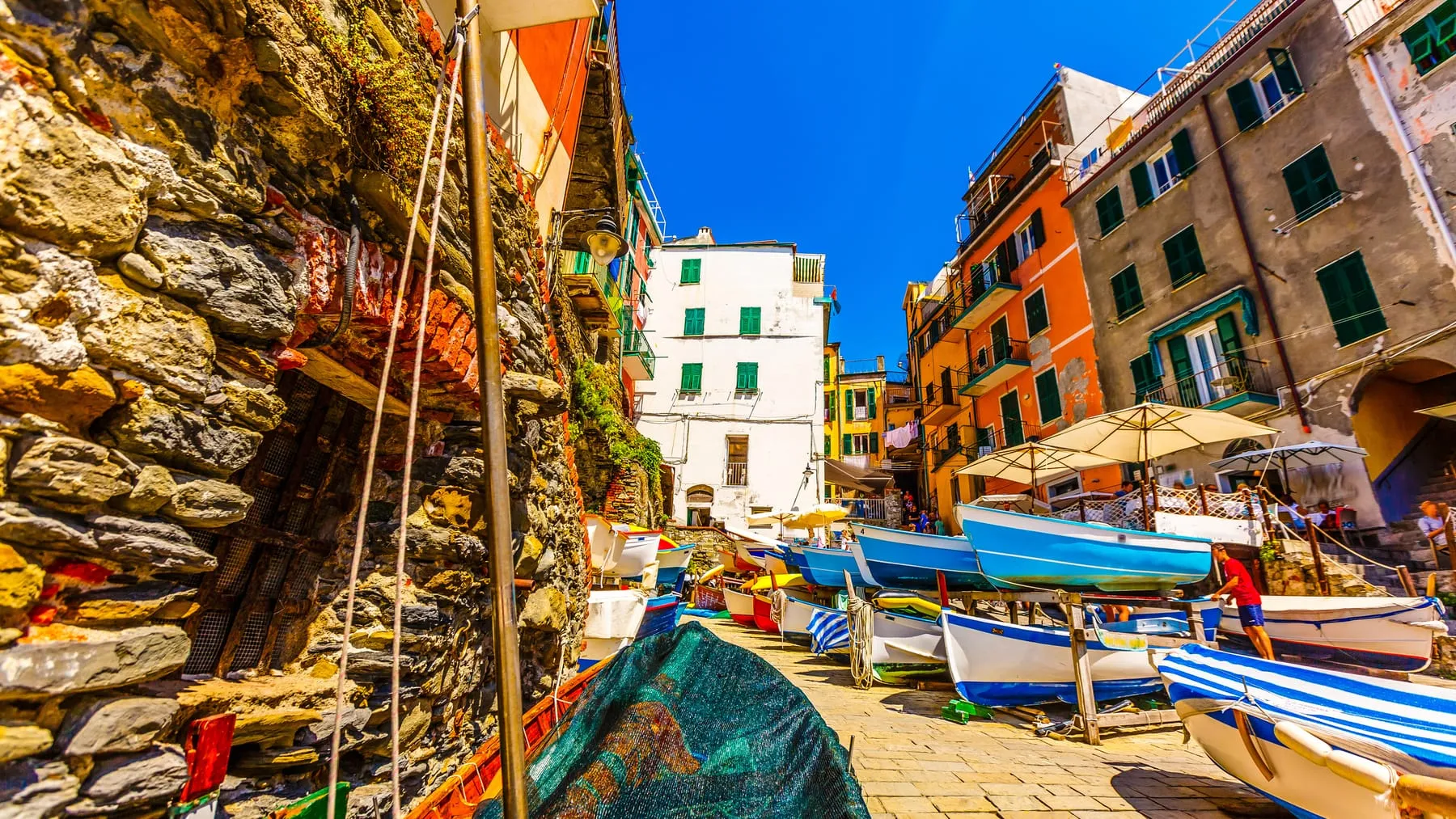
Use regional trains for Pisa, Siena, Lucca, Orvieto and the Cinque Terre villages, and for short hops where a high-speed train saves only a few minutes. For the Cinque Terre line, our Cinque Terre without a car guide covers the train card and the village-to-village tickets. If you’d rather have a guide for the day, book a guided Cinque Terre tour by train from La Spezia.
Tips for riding Italian trains
- Book high-speed trains early. Seat61 reports Trenitalia opens sales up to 4 months ahead, sometimes as little as 30 days for dates just after the June and December timetable changes. Cheap fares go first.
- Check the station name. Rome has Termini and Tiburtina, Milan has Centrale and Rogoredo, Venice has Santa Lucia and Mestre, and Naples has Centrale and Afragola. All are used by high-speed trains.
- Arrive 15 to 20 minutes early at big stations: the departure board shows your platform only shortly before departure, and Termini and Milano Centrale have gate checks before the platforms.
- Luggage goes in racks at the end of the car or overhead. Italo asks that bags in Smart fit within 75 x 53 x 30 cm (about 30 x 21 x 12 inches), according to Seat61.
- Stay online on the train. Your e-ticket, the platform update and your ride to the hotel all live on your phone. An Italy eSIM from Airalo is set up before you fly; use code GUIDEZ15 at checkout if you’re new to Airalo, or GUIDEZ10 if you’ve bought from them before.
- Pay with a US card. Trenitalia, Italo and Omio all accept US credit cards online and in their apps. Use a card without foreign transaction fees, and if a site offers to charge you in dollars, compare that rate with paying in euros.
- Watch for strikes. Italian rail strikes are announced in advance and some services are guaranteed during them. Check the news the week you travel.
Popular day trips by high-speed train
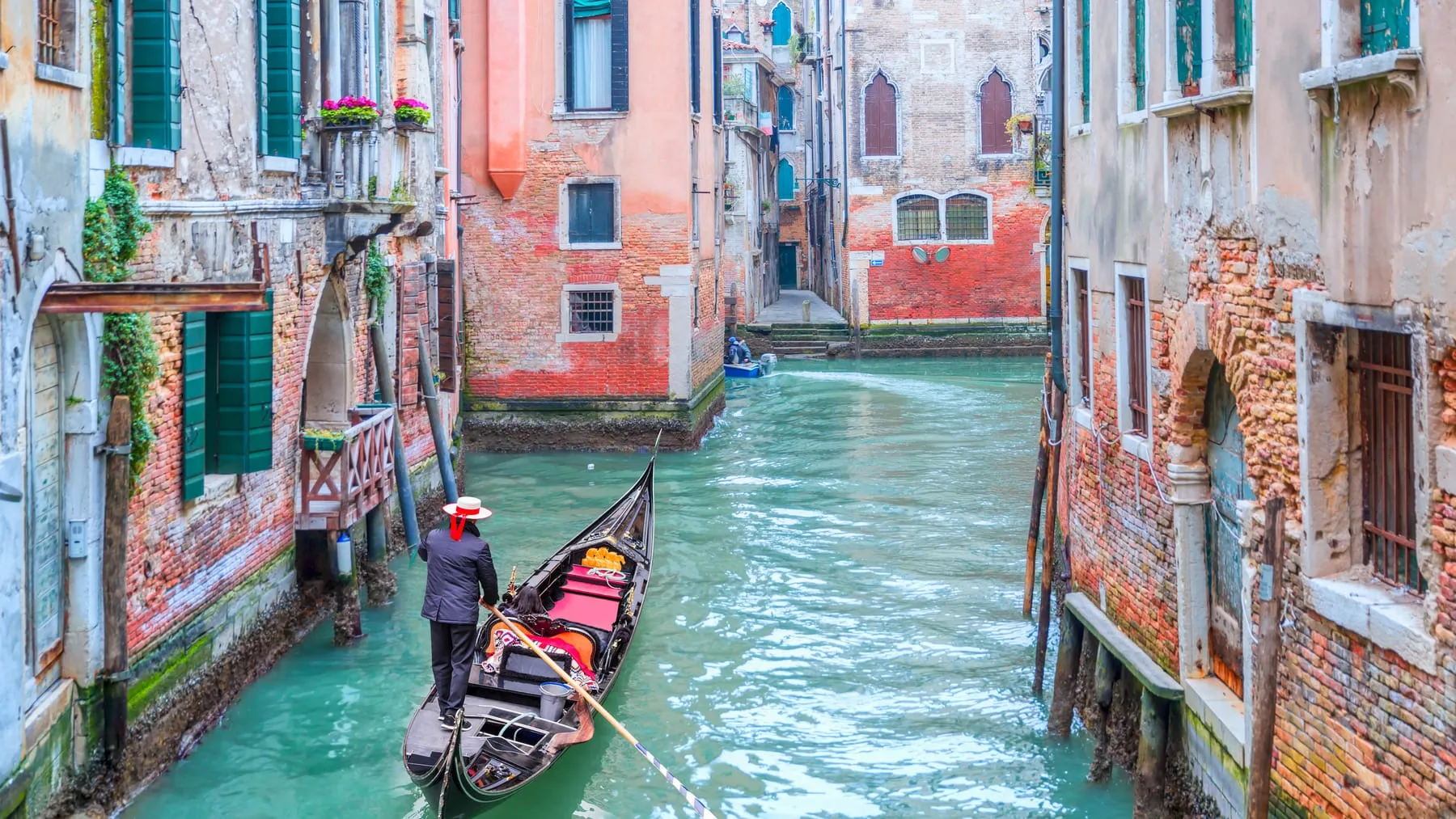
The high-speed network makes some big day trips easy. From Rome, Naples is about 70 minutes away for a Pompeii day trip, and Florence is about an hour and a half. If you’d rather have the tickets, the guide and the timing handled, the Rome to Pompeii and Naples high-speed train day trip with lunch and the Rome to Florence high-speed train day trip with a guided city tour both include the train. If the same day trip is also on GetYourGuide, our Viator vs GetYourGuide comparison shows how to pick the better listing. Our best day trips from Rome compares more options, including Orvieto by regional train. Venice is about 2 hours from Florence, and once you’re there the boats cost more than the train: our Murano and Burano tour vs vaporetto comparison and our Venice gondola price guide help you budget them.
Planning the whole route? If you’re flying into Paris before heading south, our CDG to Paris guide covers the train and taxi fares from the airport. Our Europe 2-week itinerary has an Italy version with train legs, and how to find cheap train tickets in Europe covers saver fares, kids’ deals and when a rail pass pays off. Our Italy on a budget guide adds the savings beyond the trains, from free museum Sundays to city taxes. In Rome, see whether the Roma Pass or the Omnia Card is worth it for your sightseeing days, and for city ideas from people who’ve been, browse creator-made travel maps on Guidez. When your dates are set, compare Florence to Venice trains on Omio or any other leg, and book the high-speed trains first.