Three days in Tokyo is enough to see the city’s three sides if you sort the days by area: Day 1 in old Tokyo (Asakusa, Ueno, Akihabara), Day 2 on the west side (Meiji Jingu, Harajuku, Shibuya, Shinjuku) and Day 3 around the bay (Tsukiji, the Imperial Palace East Gardens, teamLab Planets). Budget about ¥6,400 (about $41) per adult for tickets, and book Shibuya Sky entry tickets first.
Most of the plan is free. The ticket that sells out is Shibuya Sky at sunset, ¥3,400 (about $22) online from 3 pm (prices checked October 2026), so book it as soon as your dates open. The ¥6,400 covers that, a museum and a 72-hour subway pass.
3 days in Tokyo at a glance
| Day | Area | Morning | Afternoon | Evening | Book ahead |
|---|---|---|---|---|---|
| 1 | Asakusa, Ueno, Akihabara | Senso-ji and Nakamise-dori before the crowds | Ueno Park, Tokyo National Museum, Ameyoko | Akihabara | Nothing essential |
| 2 | Harajuku, Shibuya, Shinjuku | Meiji Jingu | Harajuku and Omotesando, Shibuya Crossing, Shibuya Sky at sunset | Izakaya alleys and Golden Gai in Shinjuku | Shibuya Sky, food tour |
| 3 | Tsukiji, Marunouchi, Toyosu | Tsukiji Outer Market breakfast | Imperial Palace East Gardens, then teamLab Planets | Ginza or an early night | teamLab Planets |
Each day stays in one part of the city, and every hop in this plan runs on the subway, so a 72-hour Tokyo Subway Ticket covers almost all of your rides. Yen to dollar conversions use ¥1,000 = $6.33.
What to book before you fly
Three things in this plan sell timed slots or small-group places, and the best times go first. Official prices below were checked in October 2026.
| Booking | Official price per adult | When to book | Book it with | What the partner option adds |
|---|---|---|---|---|
| Shibuya Sky | ¥2,700 (about $17) before 3 pm, ¥3,400 (about $22) from 3 pm, online | As soon as your date opens, about two weeks ahead | Shibuya Sky entry tickets on GetYourGuide | Ticket bundles and guided Shibuya walks with entry included |
| teamLab Planets | Varies by date | A few weeks ahead for weekends | teamLab Planets tickets on Viator | Several ticket options, some with transfers |
| Shinjuku evening food tour | Varies | A week or two ahead | Shinjuku bar-hopping tour with dinner and Golden Gai | A guide who orders for you in tiny izakaya |
| Tokyo Subway Ticket (72 hours) | ¥2,000 (about $13) | Any time before you land | Tokyo Subway Ticket, 24, 48 or 72 hours | Paid in advance, in dollars |
Shibuya Sky is the hard one. According to GO TOKYO, the official tourism site, adult tickets cost ¥300 more at the counter, and if adult tickets are sold out online, they’re also unavailable at the counter. Online tickets are released about two weeks ahead, and the slots just before sunset go first. Children’s tickets are sold only at the counter on the day, and under-5s enter free. If your date is already gone, the Shibuya Crossing, Hachiko and Shibuya Sky guided tour includes deck entry with a walk around the neighborhood.
Which day should you start the itinerary?
Three closures decide the order. The Tokyo National Museum closes on Mondays, the Tsukiji Outer Market is closed on Wednesdays, Sundays and national holidays, and the Imperial Palace East Gardens close on Mondays and Fridays. Day 2 works any day of the week.
| You arrive and start on | Best order | Why |
|---|---|---|
| Sunday | Days 1, 2, 3 | Day 3 falls on a Tuesday, when the market and gardens are both open |
| Monday | Days 2, 3, 1 | Avoids the museum’s Monday closure |
| Tuesday | Days 1, 2, 3 | Day 3 falls on a Thursday |
| Wednesday | Days 1, 3, 2 | Moves Tsukiji to Thursday |
| Thursday | Days 1, 2, 3 | Day 3 falls on a Saturday |
| Friday | Days 1, 3, 2 | Moves Day 3 to Saturday, before Tsukiji’s Sunday closure |
| Saturday | Days 3, 1, 2 | Doing Day 3 first avoids Tsukiji’s Sunday and the gardens’ Monday closures |
National holidays change the picture: in late fall they include Culture Day on November 3 and Labor Thanksgiving Day on November 23. The museum opens on a holiday Monday and closes the next day instead.
Day 1: Senso-ji, Ueno and Akihabara
Day 1 covers the old east side of Tokyo, where the city still looks most like its Edo-era self. It’s the easiest day to start with after a long flight, because nothing needs booking.
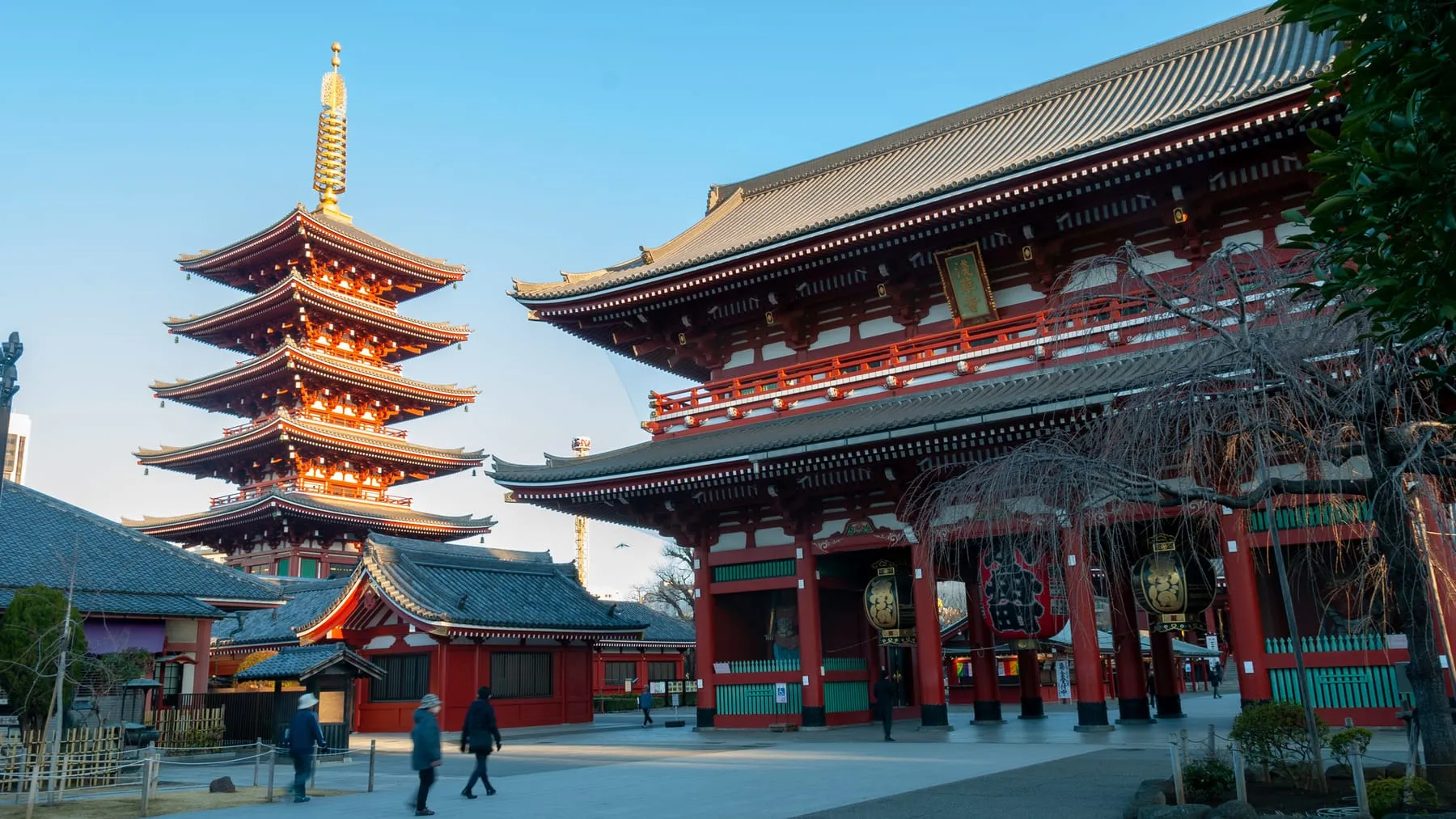
Early morning: Senso-ji. Tokyo’s oldest temple is free to enter, and the Kaminarimon (Thunder Gate) and the five-story pagoda are far quieter before 8 am than at midday. The main hall opens at 6:30 am from October to March and at 6 am the rest of the year, and closes at 5 pm, according to Senso-ji. The souvenir and snack stalls of Nakamise-dori, the street leading up to the temple, open later in the morning, so walk through again on your way out for rice crackers and sweet bean cakes.
If you’d like the stories behind the gates, statues and incense, the Asakusa Senso-ji and Old Tokyo walking tour runs about two hours in a small group.
Late morning: Ueno. Take the Ginza Line from Asakusa to Ueno, three stops. Ueno Park holds the Tokyo National Museum, Japan’s largest collection of samurai armor, swords, kimono and Buddhist art. Admission costs ¥1,000 (about $6), and it opens 9:30 am to 5 pm, until 8 pm on Fridays and Saturdays, closed on Mondays. Allow two hours for the main Honkan building.
Afternoon: Ameyoko. The market street under the train tracks between Ueno and Okachimachi stations sells dried fish, spices, cheap sneakers and street food. It’s the easiest place on this route for a late, cheap lunch.
Evening: Akihabara. Ride the Hibiya Line two stops to Akihabara for electronics stores, retro game shops, anime merchandise and multi-story arcades. Shops stay open into the evening.
Arriving on a morning flight? This day runs fine from noon: skip the museum, see Senso-ji in the afternoon light and come back on another morning if you want it quiet. Our Narita and Haneda to central Tokyo guide shows which airport train drops you closest to Asakusa.
Day 2: Meiji Jingu, Harajuku, Shibuya Sky and Shinjuku
Day 2 crosses the west side from a forest shrine to the busiest crossing in the city, then ends in Shinjuku’s drinking alleys. Shibuya Sky is the only timed stop, so plan the day around your slot.
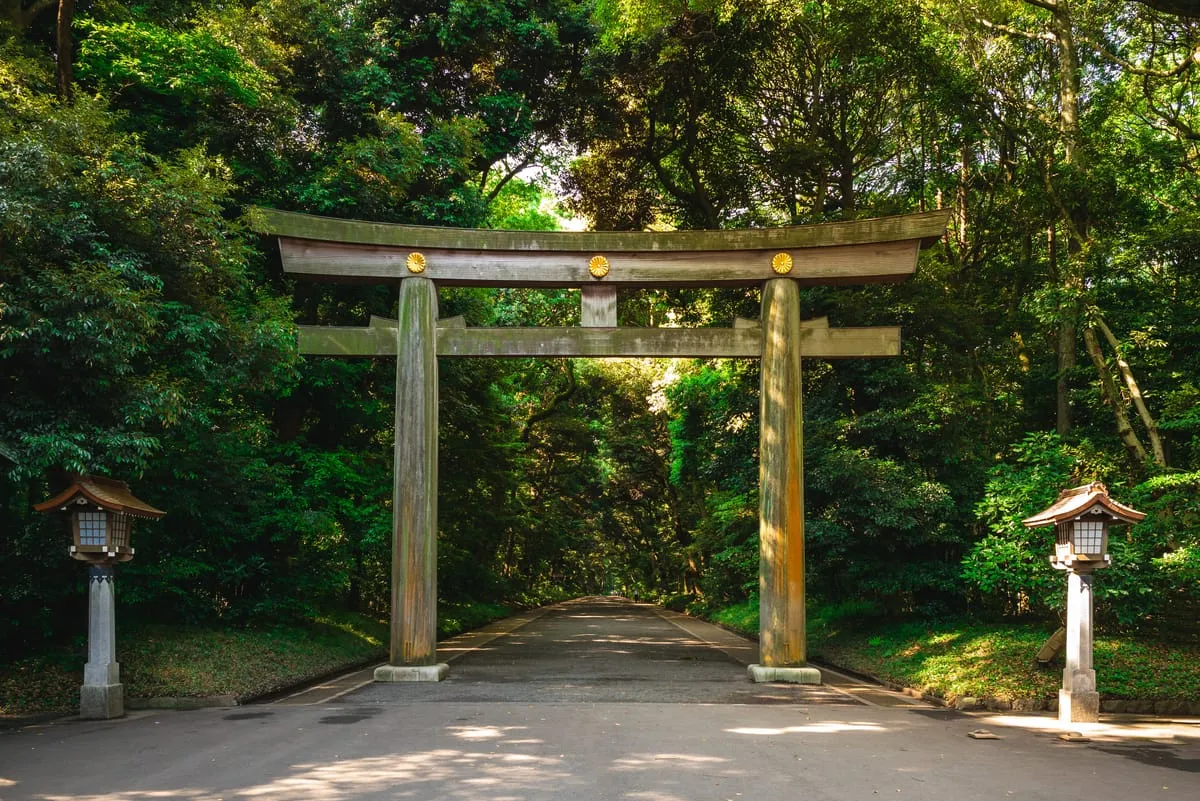
Morning: Meiji Jingu. The shrine sits in a large forested park between Harajuku and Yoyogi, and it’s free. Its gates follow the sun: in November they open at 6:10 am and close at 4:10 pm, and in December 6:40 am to 4 pm, according to Meiji Jingu. Walk in under the large wooden torii from the Harajuku side, and allow an hour.
Late morning: Harajuku and Omotesando. Takeshita-dori, opposite Harajuku Station, is the crowded street of crepes, candy and teen fashion. Omotesando, the wide tree-lined avenue running southeast, is the grown-up version, lined with flagship stores and architect-designed buildings. Cat Street, the back lane between them, leads down toward Shibuya on foot in about 20 minutes.
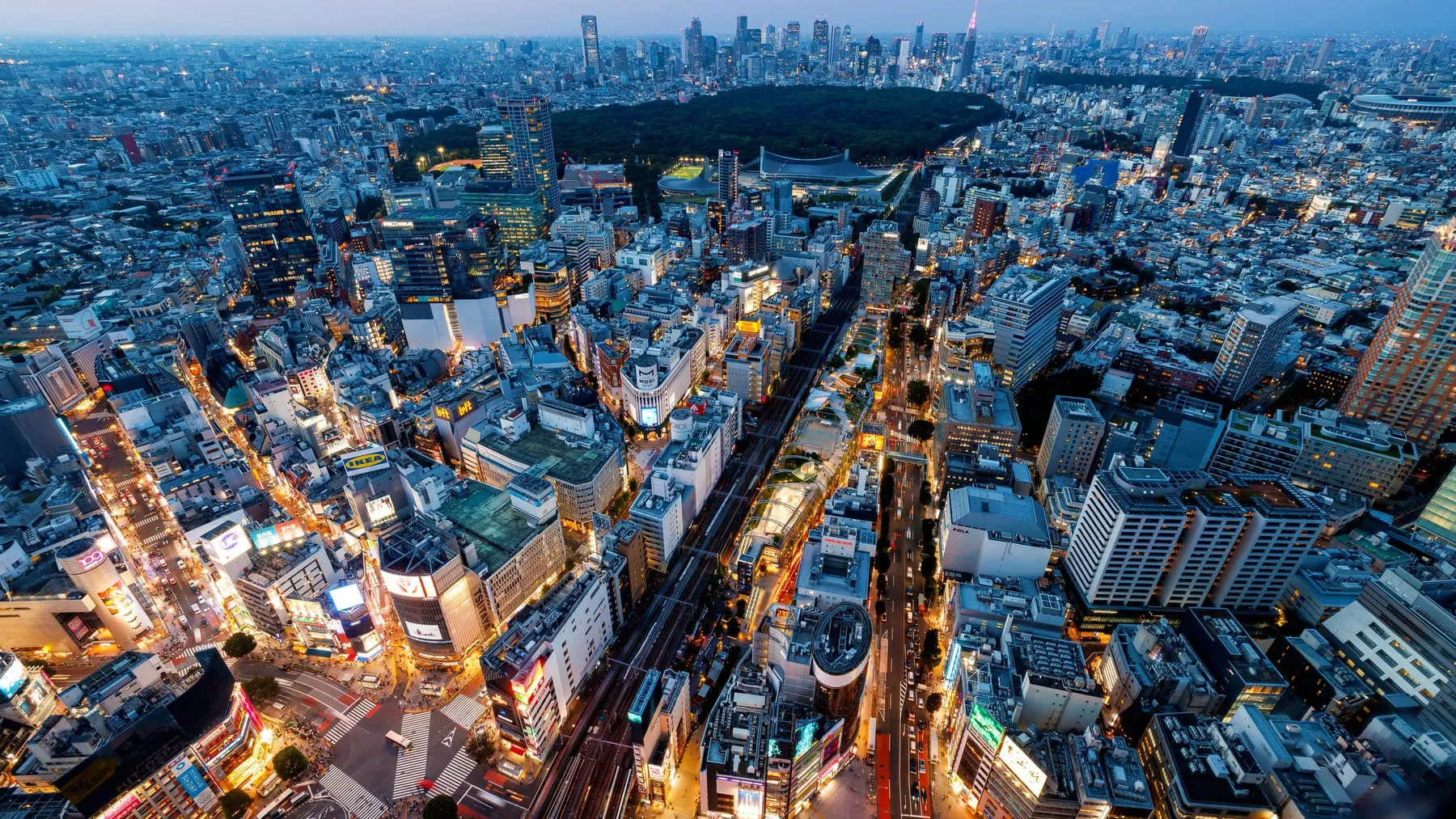
Afternoon: Shibuya Crossing. Meet at the Hachiko statue outside Shibuya Station, then cross the scramble when every light turns red for cars at once. The best view of it is from the roof of Shibuya Scramble Square, the tower above the station.
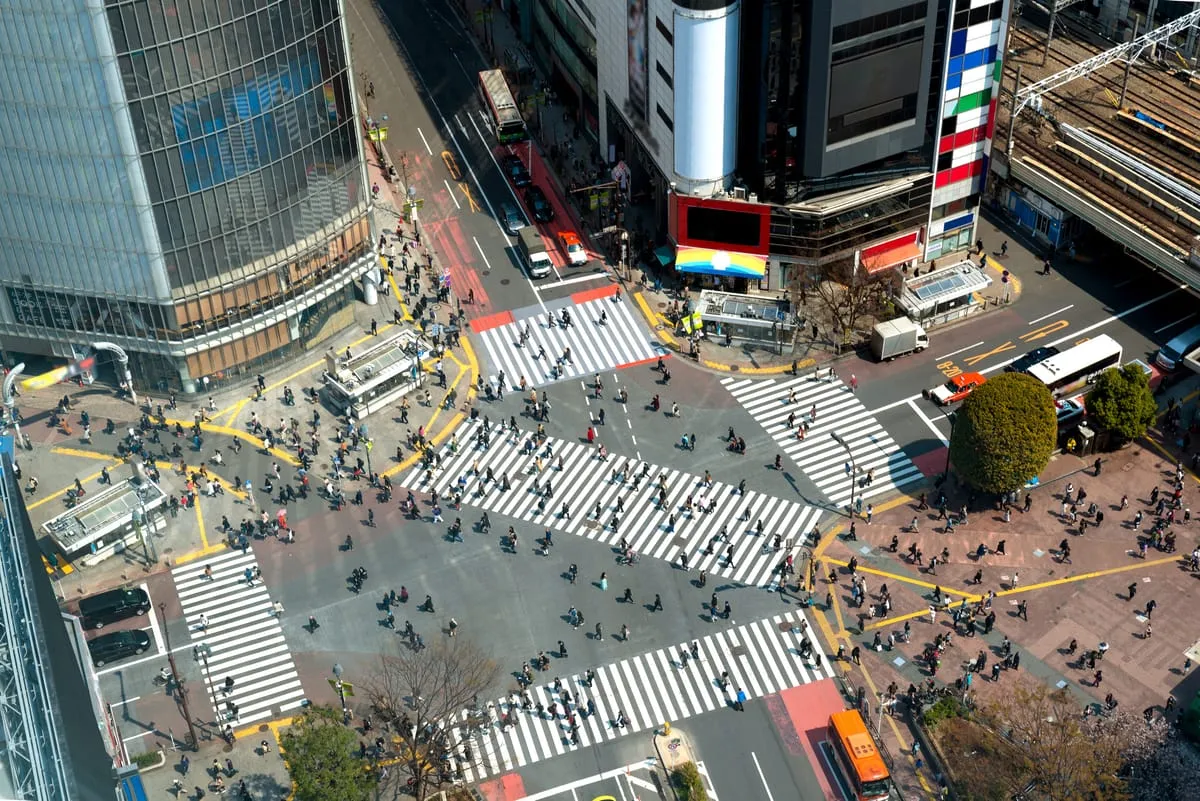
Late afternoon: Shibuya Sky. The open-air deck sits about 750 feet (229 meters) above the crossing and opens 10 am to 10:30 pm, with last admission at 9:20 pm. Book a slot that gets you up before sunset, then stay to watch the city light up. In November that means roughly a 3:30 pm slot: Meiji Jingu’s 4:10 pm closing time tells you how early the sun goes down. The open-air rooftop can close in bad weather.
Sold out? The Tokyo Metropolitan Government Building in Shinjuku has two free observatories at 663 feet (202 meters), open 9:30 am to 10 pm with last entry at 9:30 pm. The south deck closes on the first and third Tuesdays of the month and the north deck on the second and fourth Mondays. On clear days you can see Mount Fuji from there.
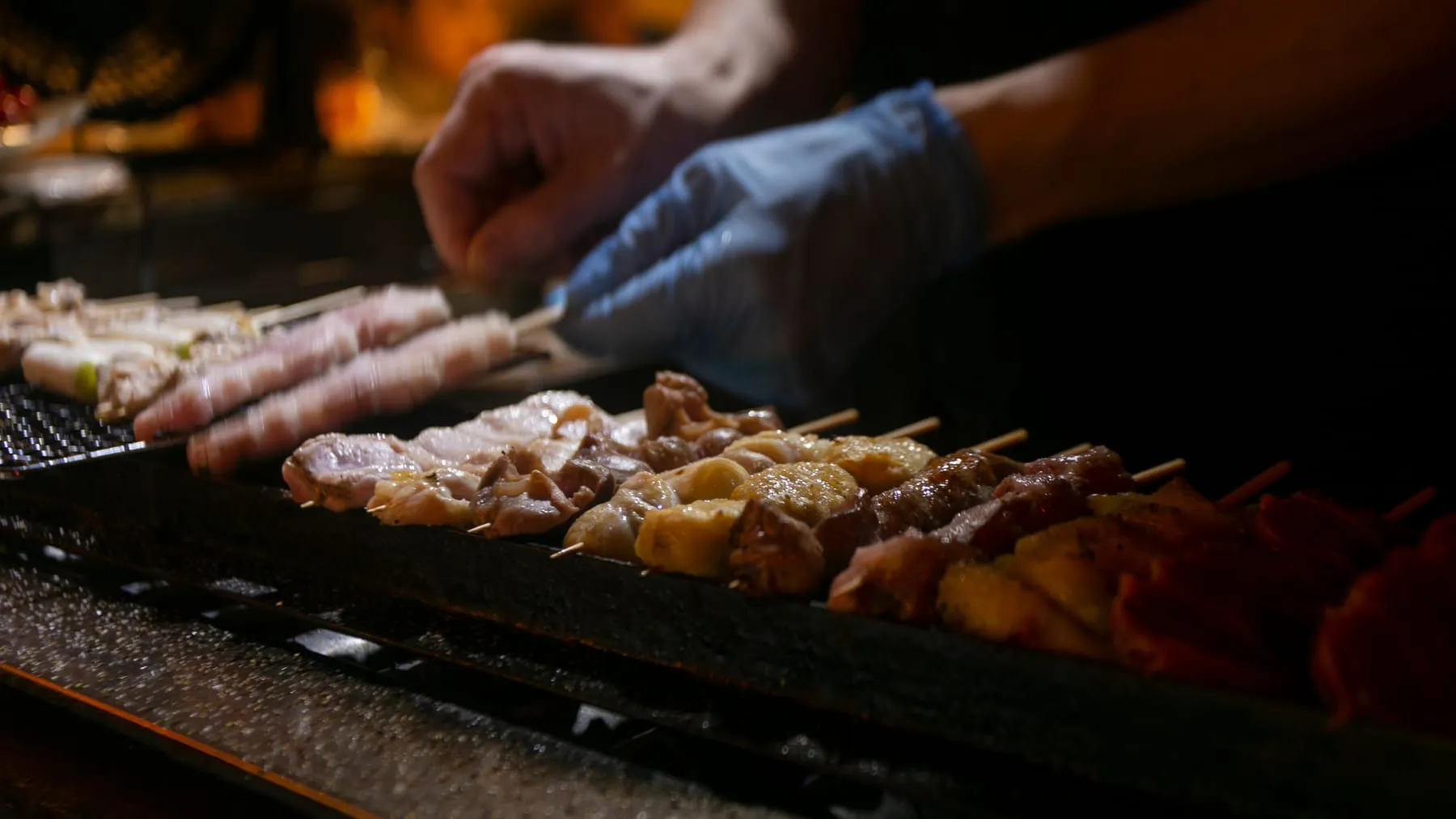
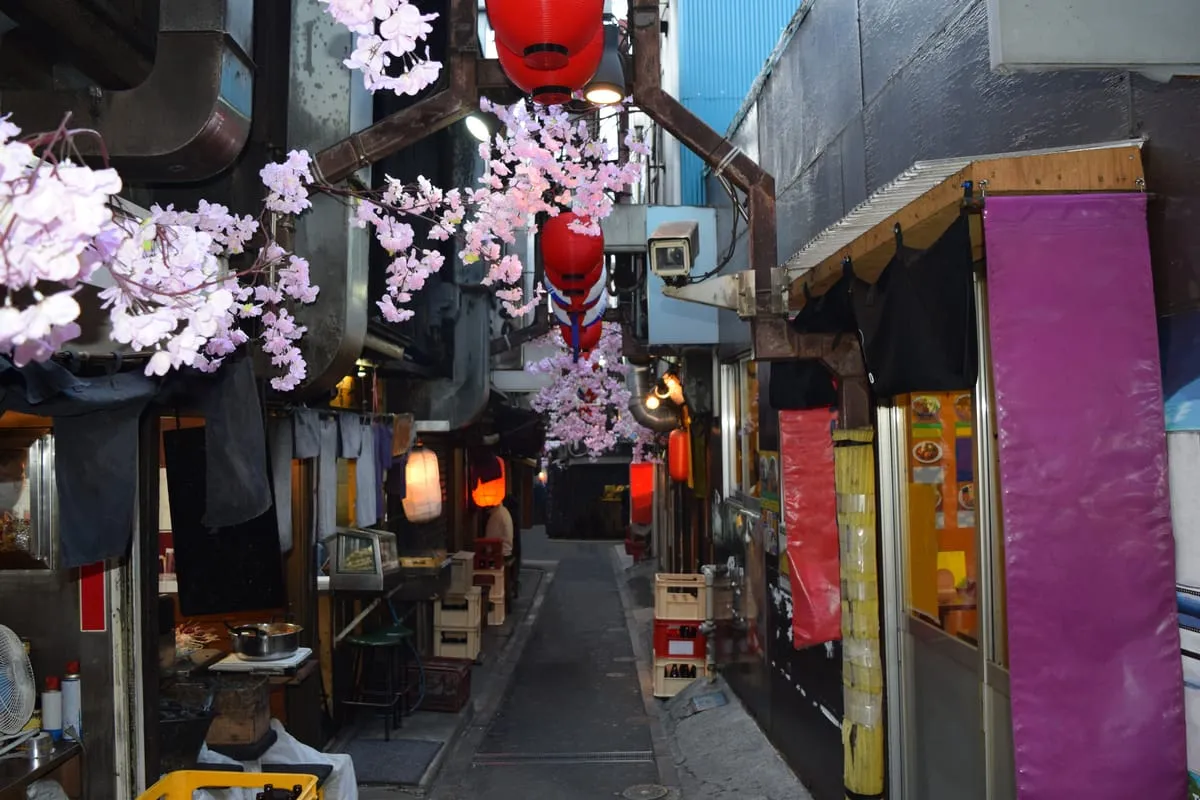
Evening: Shinjuku. Take the Fukutoshin Line from Shibuya to Shinjuku-sanchome. Omoide Yokocho, a lane of tiny yakitori bars beside the station, and Golden Gai, a grid of around 200 closet-sized bars, are the two places first-timers want to see, and both are hard to read without Japanese. The Shinjuku bar-hopping tour with a full dinner and Golden Gai is one of the most-reviewed tours in Tokyo on Viator: a guide takes you through both, orders for the table and explains what you’re eating. Our Tokyo food tours roundup compares it with ramen, Tsukiji and Asakusa tours if you’d rather eat in the morning.
Day 3: Tsukiji, the Imperial Palace East Gardens and teamLab Planets
Day 3 moves from a food market to the palace grounds and ends in a digital art museum on the bay. It works on Tuesdays, Thursdays and Saturdays, when every stop is open.
Morning: Tsukiji Outer Market. The wholesale fish market moved to Toyosu in 2018, but the outer market of around 460 shops stayed. GO TOKYO recommends visiting between 9 am and 1 pm, notes that most stores close before evening and that the market is closed on Wednesdays, Sundays and national holidays. Professional buyers get priority until 9 am, and the market asks visitors to eat inside or in front of the stall they bought from rather than while walking. Most stalls are cash only, so bring yen.
The stalls sell tamagoyaki (sweet rolled omelet), tuna sushi, grilled scallops and strawberry mochi, but labels are often in Japanese only. The Tsukiji food tour with 6+ tastings takes you to the stalls locals line up for and explains what you’re eating.
Late morning: the Imperial Palace East Gardens. Otemachi Station is a short subway ride away, and the Ote-mon Gate a few minutes’ walk from it. The gardens are the former grounds of Edo Castle, with stone walls and the base of the old keep, and they’re free. The Imperial Household Agency closes them on Mondays and Fridays and from December 28 to January 3. From November to February they open 9 am to 4 pm, with last entry at 3:30 pm.
Afternoon: teamLab Planets. Ride the Yurakucho Line to Toyosu and walk about 10 minutes to teamLab Planets, an immersive digital art museum where you walk barefoot through rooms of light, mirrors and knee-deep water. Entry is by dated time slot, so pick an afternoon one when you book teamLab Planets tickets, and wear clothes you can roll up above the knee. A separate teamLab, Borderless, is at Azabudai Hills, and our teamLab Planets vs Borderless guide compares prices, slots and what to wear.
Evening: Ginza. Head back toward Ginza for department-store food halls and the lit-up main street, or call it an early night before your next leg.
How much do 3 days in Tokyo cost?
Entry tickets for this plan cost ¥6,400 (about $41) per adult, before teamLab Planets and food, at prices checked in October 2026. Senso-ji, Meiji Jingu, the East Gardens, Shibuya Crossing and the government building’s observatories are all free.
| Item | Adult | Notes |
|---|---|---|
| Senso-ji, Meiji Jingu, East Gardens, Tsukiji, Shibuya Crossing | Free | |
| Tokyo National Museum | ¥1,000 (about $6) | Closed Mondays |
| Shibuya Sky, online, from 3 pm | ¥3,400 (about $22) | ¥2,700 before 3 pm; ¥300 more at the counter |
| Tokyo Subway Ticket, 72 hours | ¥2,000 (about $13) | Tokyo Metro and Toei lines only |
| Core total | ¥6,400 (about $41) | |
| teamLab Planets | Varies by date | Check the ticket options |
Is the 72-hour Tokyo Subway Ticket worth it?
Yes, for this plan. GO TOKYO lists the Tokyo Subway Ticket at ¥1,000 for 24 hours, ¥1,500 for 48 hours and ¥2,000 for 72 hours (half price for children), valid on all Tokyo Metro and Toei subway lines. Single Tokyo Metro fares cost ¥180 to ¥330 and Toei fares ¥180 to ¥430.
This itinerary uses about 11 subway rides over three days: four on Day 1, three on Day 2 and four on Day 3. At single fares that’s ¥1,980 to ¥3,630, so the pass breaks even at the cheapest fares and saves up to ¥1,630 at the longest ones. The rule of thumb: buy the pass if you’ll take four or more subway rides a day; with fewer, tap in with a Suica card or your contactless credit card.
Where to stay for 3 days in Tokyo
Shinjuku is the most practical base for a first trip: the Narita Express runs straight there, Day 2 ends there, and the Marunouchi and Oedo lines get you east. Asakusa or Ueno suit travelers arriving at Narita on the Skyliner and wanting quiet evenings. Two Shinjuku picks:
- For US loyalty points: Hilton Tokyo, in Nishi-Shinjuku, a short walk from the free government-building observatory and the Oedo Line.
- For the nightlife: Hotel Gracery Shinjuku, the hotel in Kabukicho with the Godzilla head on its terrace, a few minutes’ walk from Omoide Yokocho and Golden Gai.
Getting around Tokyo in 3 days
- Subway: Tokyo Metro and Toei run separate networks with separate single tickets, which is why the 72-hour pass helps. Signs and announcements are in English.
- IC cards: a Suica or PASMO card pays for trains, buses and convenience-store snacks. The Welcome Suica Mobile app lets you set up a Suica on your phone before you land, and Welcome Suica and Tourist PASMO cards need no deposit but expire after 28 days.
- Your credit card: you can tap a contactless card at the gates of many subway and private rail lines, but not on JR lines, the Keisei Line or the Tokyo Monorail, according to GO TOKYO.
- JR Pass? Not for Tokyo. The Japan Rail Pass doesn’t cover the subway; our Japan Rail Pass break-even math shows when it pays off for the rest of your trip.
Before you go: tips for US travelers
- Entry: US passport holders can stay up to 90 days as tourists without a visa, per JNTO’s visa page. Visit Japan Web registration is optional but speeds up arrival and tax-free shopping.
- Tax-free shopping is a refund since November 1, 2026. You pay the tax in the store and claim it back at customs when you leave Japan, before checking in for your flight, according to JNTO. You’ll have 90 days to take the goods out of the country.
- Tipping: don’t. It isn’t expected anywhere, and staff may chase you to return it.
- Cash: cards work in most hotels, chains and department stores, but bring yen for markets, small ramen counters and shrine offerings. Convenience-store ATMs usually accept US debit cards.
- Your phone: you’ll use it for train routes, e-tickets and restaurant maps all day. Verizon and AT&T charge $12 a day for roaming, while an Airalo eSIM for Japan installs before you fly: use code GUIDEZ15 at checkout if you’re new to Airalo, or GUIDEZ10 if you’ve bought from them before. Our Japan eSIM vs pocket WiFi comparison has the prices.
If you have a fourth day
Use it to leave the city. Mount Fuji and Hakone are the classic day out: the Mt. Fuji and Hakone tour with a bullet-train return to Tokyo handles the logistics, though Fuji’s summit is often hidden by cloud, more so in summer. Kamakura’s giant Buddha and the shrines of Nikko are the other popular day trips.
Heading on to Kyoto? Our 3 days in Kyoto itinerary picks up where this one ends, and the shinkansen gets you there in about 2 hours 15 minutes. For a longer trip, the 2-week Japan itinerary adds Hakone, Hiroshima and Osaka, where our Universal Studios Japan tickets guide helps if the theme park is on your list. Adding Taiwan after Tokyo? Our Jiufen and Shifen day trip guide covers the classic day out from Taipei. Before you go, book the ticket that sells out first: Shibuya Sky at sunset, then your Shinjuku evening and teamLab slot. For ramen counters, cafés and shops between the sights, open Omer in Japan’s Tokyo recommendations map on Guidez, which is in Hebrew.