Three days in Kyoto is enough for the city’s big temple areas if you group them by neighborhood and start before 8 am: Day 1 for Fushimi Inari, Kiyomizu-dera and Gion, Day 2 for the Arashiyama bamboo grove and Kinkaku-ji, and Day 3 for Ginkaku-ji, the Philosopher’s Path and Nishiki Market, or Nara. Temple and castle fees total about ¥3,800 (about $24) per adult (checked October 2026).
The real cost of Kyoto is the crowds, which is why every day starts at dawn, and Day 3 can end with a tea ceremony. If you’d rather a guide got you to the busiest places first, the Kyoto early morning tour with an English-speaking guide starts early and covers Fushimi Inari, Arashiyama and Kinkaku-ji in one morning.
3 days in Kyoto at a glance
| Day | Area | Early morning | Late morning and afternoon | Evening | Book ahead |
|---|---|---|---|---|---|
| 1 | Fushimi and Higashiyama | Fushimi Inari’s torii gates | Kiyomizu-dera, Sannenzaka and Ninenzaka, the Yasaka Pagoda, Yasaka Shrine | Gion walk | Kimono rental, Gion tour |
| 2 | Arashiyama and the northwest | Bamboo grove, then Tenryu-ji’s garden | Togetsukyo Bridge, then Kinkaku-ji | Dinner in Pontocho | Nothing essential |
| 3 | Northeast and center | Ginkaku-ji at opening | Philosopher’s Path, Nanzen-ji, Nishiki Market, Nijo Castle | Tea ceremony | Tea ceremony, food tour |
The plan keeps each day in one part of the city. Kyoto’s sights are spread out and its buses fill up, so the order matters more here than in Tokyo. Yen to dollar conversions use ¥1,000 = $6.33.
Why early starts matter in Kyoto
Kyoto’s famous places get crowded by mid-morning, and the two most photographed, the Fushimi Inari gates and the Arashiyama bamboo grove, are open around the clock. That’s the whole strategy: be at the free, always-open sights at dawn, and reach the ticketed temples at their opening times.
| Sight | Opens | Closes | Adult fee |
|---|---|---|---|
| Fushimi Inari Taisha | Always open | Free | |
| Kiyomizu-dera | 6 am | Varies by season | About ¥500 (about $3) |
| Arashiyama bamboo grove | Always open | Free | |
| Tenryu-ji | 8:30 am (garden earlier in the fall-colors season) | 5 pm | ¥500 (about $3) garden, ¥300 more for the buildings |
| Kinkaku-ji | 9 am | 5 pm | ¥500 (about $3) |
| Ginkaku-ji | 8:30 am (9 am December to February) | 5 pm (4:30 pm in winter) | ¥1,000 (about $6) |
| Nijo Castle | 8:45 am | 5 pm, last entry 4 pm | ¥1,300 (about $8) with the Ninomaru Palace |
Ginkaku-ji charges ¥1,000, according to the temple’s own listing, twice the ¥500 at its sister temple, Kinkaku-ji.
What to book before you go
Temple tickets are sold at the gate, so the things worth booking are experiences with limited places: a tea ceremony, kimono rental, a guided evening walk in Gion and food tours. Book them a week or two ahead, more in the fall foliage season and in spring.
| Experience | Best for | Book it |
|---|---|---|
| Kimono rental | Walking Higashiyama on Day 1 in kimono | Kimono and yukata experience at WARGO |
| Gion evening walk | Understanding the geisha district on Day 1 | Small-group Gion walking tour, the Stories of Geisha |
| Tea ceremony | A quiet hour on Day 3 | Tea ceremony in a 130-year-old Kyoto house |
| Food tour | Lunch at Nishiki Market on Day 3 | Nishiki Market food and culture tour with izakaya lunch |
Most Viator bookings can be cancelled free up to 24 hours before, which helps if Kyoto’s weather turns.
Day 1: Fushimi Inari, Kiyomizu-dera and Gion
Day 1 runs from the south of the city up through Higashiyama, Kyoto’s best-preserved old district, and ends in Gion. You’ll walk most of it.
Dawn: Fushimi Inari Taisha. The shrine sits right next to Inari Station on the JR Nara Line, two stops and about 5 minutes from Kyoto Station, according to Fushimi Inari Taisha. It’s free and never closes. Its paths up Mount Inari pass under around 10,000 torii gates, and the first stretch, the Senbon Torii, is where the crowds gather by 9 am. Be there by 7 am and the tunnels are far quieter. Most people walk to the Yotsutsuji intersection, roughly halfway up, for a view over the city, then turn back.
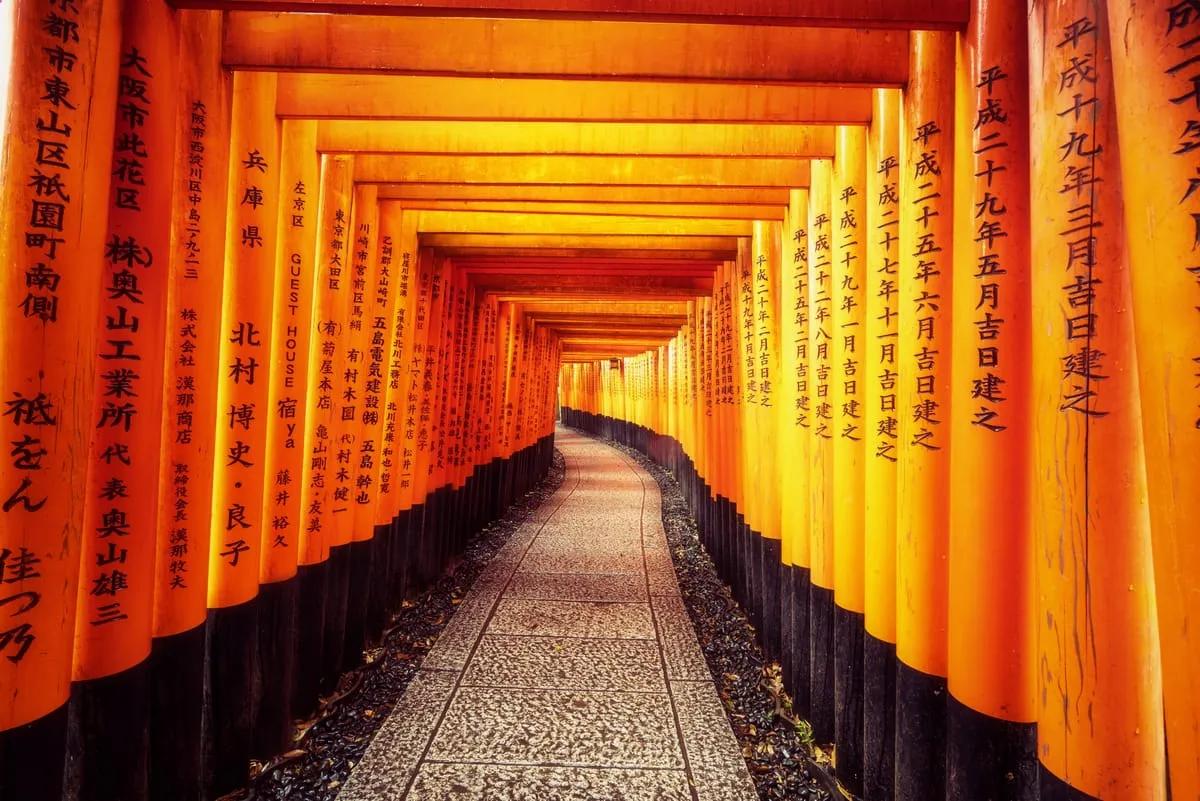
To see the mountain beyond the famous tunnels, the Fushimi Inari hidden hiking tour takes a small group up forest and bamboo trails away from the main route, and ends at the main shrine. It involves a fair amount of uphill walking.
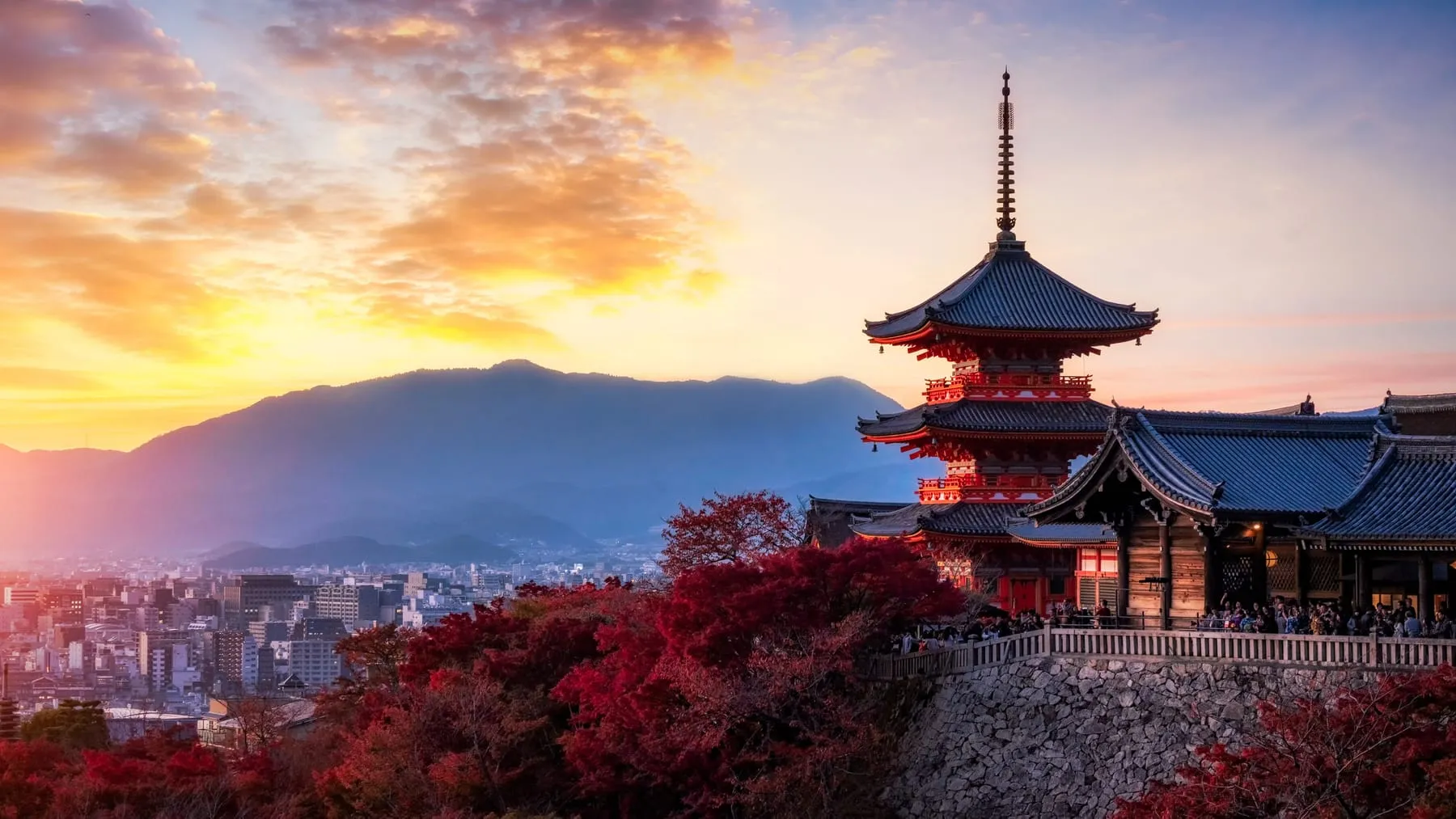
Late morning: Kiyomizu-dera. Take the Keihan Line from Fushimi-Inari Station to Kiyomizu-Gojo, then walk uphill. The temple’s wooden stage juts out over the hillside on tall pillars, with a view across the city. It opens at 6 am year-round, and its closing time changes by season, according to Kiyomizu-dera. Admission is about ¥500 (about $3).
Afternoon: Sannenzaka, Ninenzaka and the Yasaka Pagoda. Walk downhill from Kiyomizu-dera through the stepped lanes of Sannenzaka and Ninenzaka, lined with wooden townhouses selling pottery, pickles and matcha sweets. The five-story Yasaka Pagoda rises at the end of one of them. From there, follow Nene-no-michi past Kodai-ji to Maruyama Park and Yasaka Shrine, which is free and stays open in the evening.
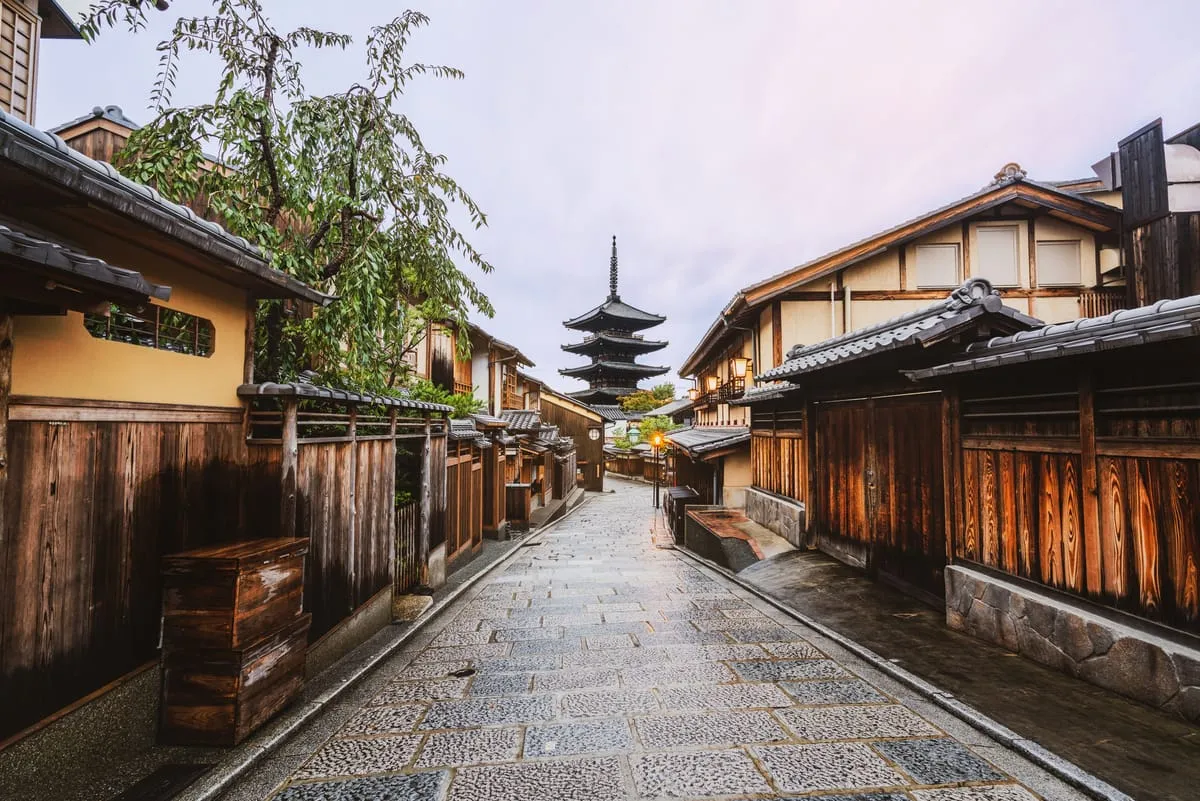
Do Day 1 in kimono. Higashiyama is where a kimono looks most at home, and rental shops dress you, style your hair and send you out for the day. The WARGO kimono and yukata experience in the booking table above is a family-friendly option with strong reviews. Allow about an hour for dressing.
Evening: Gion. Gion’s main street, Hanamikoji, and the canal-side lane of Shirakawa are where you may glimpse a geiko or maiko on her way to an appointment in the early evening. Gion’s residents ask visitors not to photograph or follow them without permission, and signs off Hanamikoji ask tourists to keep out of the private side alleys. The small-group Gion walking tour explains the district and the lives of geiko and maiko as you walk, without anyone getting in their way.
Day 2: Arashiyama and Kinkaku-ji
Day 2 heads to the west and northwest of the city. The bamboo grove is the busiest spot in Kyoto by mid-morning, so this is the day to set your alarm earliest.
Dawn: the Arashiyama bamboo grove. Take the JR Sagano Line from Kyoto Station to Saga-Arashiyama and walk to the grove. It’s free and open at all hours, and before 8 am the path through the tall stalks is calm. The grove runs along the north side of Tenryu-ji.
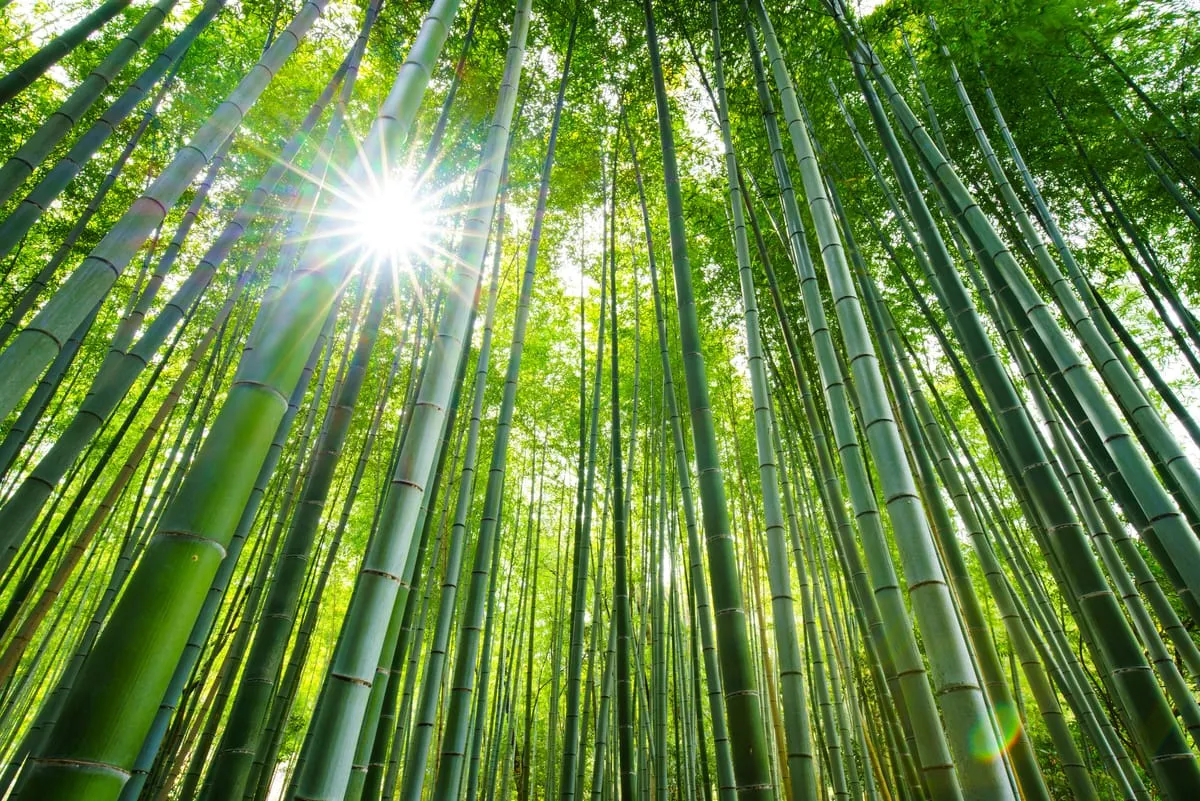
Morning: Tenryu-ji. The Zen temple, part of Kyoto’s UNESCO World Heritage listing, opens at 8:30 am, and its Sogen Pond Garden is the reason to go. Admission to the garden is ¥500 (about $3), with ¥300 more for the temple buildings, according to Tenryu-ji. For the 2026 autumn colors, the temple scheduled a 7:30 am garden opening from November 14 to 30. Afterwards, walk down to the Togetsukyo Bridge over the Katsura River.
Afternoon: Kinkaku-ji. The gold-leaf Golden Pavilion reflected in its pond is Kyoto’s most famous image. It opens daily from 9 am to 5 pm and costs ¥500 (about $3), according to Kinkaku-ji. From Arashiyama, a taxi is the quickest way across. Allow an hour; the route through the garden is one-way.
Evening: Pontocho. The narrow lane between the Kamo River and Kiyamachi-dori is packed with restaurants, many with river terraces in summer. It’s a short walk from Gion if you’re staying there.
Short on time? The Kyoto early morning tour visits Fushimi Inari, Arashiyama and Kinkaku-ji in one morning, with a guide handling the transport in between. It turns Day 1 and Day 2 into one long morning and frees an afternoon for Gion or a tea ceremony. It’s one of the best-reviewed Kyoto tours on Viator, and reviewers on late-November dates advise dressing warmly for the early start.
Day 3: Ginkaku-ji, the Philosopher’s Path, Nishiki Market and Nijo Castle
Day 3 starts in the quieter northeast, then moves into the center for lunch and a castle. It’s also the day to swap for Nara.
Morning: Ginkaku-ji. The Silver Pavilion was never covered in silver; it’s a Zen retreat with a raked sand garden and a moss garden on a hillside path. It opens at 8:30 am from March to November (9 am from December to February) and costs ¥1,000 (about $6). Kyoto’s Sightseeing Limited Express Bus, ¥500 a ride, runs to Ginkaku-ji and Kiyomizu-dera, or a regular city bus costs ¥230.
Late morning: the Philosopher’s Path and Nanzen-ji. The stone path follows a canal south from Ginkaku-ji for about 1.2 miles (2 km), lined with cherry trees and small temples; our 2027 cherry blossom guide has Kyoto’s average bloom dates if you’re timing a spring trip. It ends near Eikan-do, one of Kyoto’s best places for fall leaves, and Nanzen-ji, a large Zen complex with a red-brick aqueduct on its grounds.
Lunch: Nishiki Market. Take the subway into the center for Nishiki, a long covered market street of food stalls selling pickles, tofu, grilled seafood and Kyoto sweets. Signs along the market ask visitors not to eat while walking, so eat at the stall. The Nishiki Market food and culture tour adds the stories behind the food and finishes with lunch at an izakaya.
Afternoon: Nijo Castle. The shogun’s Kyoto residence is famous for the “nightingale floors” of the Ninomaru Palace, which squeak to warn of intruders. The castle opens 8:45 am to 5 pm, with last entry at 4 pm, and the castle plus Ninomaru Palace costs ¥1,300 (about $8), according to Nijo-jo Castle. The Ninomaru Palace closes on Tuesdays in January, July, August and December.
Late afternoon: a tea ceremony. End your Kyoto stay sitting down. The tea ceremony in a 130-year-old traditional house, in the booking table above, introduces how matcha is prepared and served in a historic Kyoto townhouse. If you skipped the kimono on Day 1, the kimono tea ceremony at Oritsuruya Nishiki combines both, with hair styling, close to Nishiki Market.
Or swap Day 3 for Nara
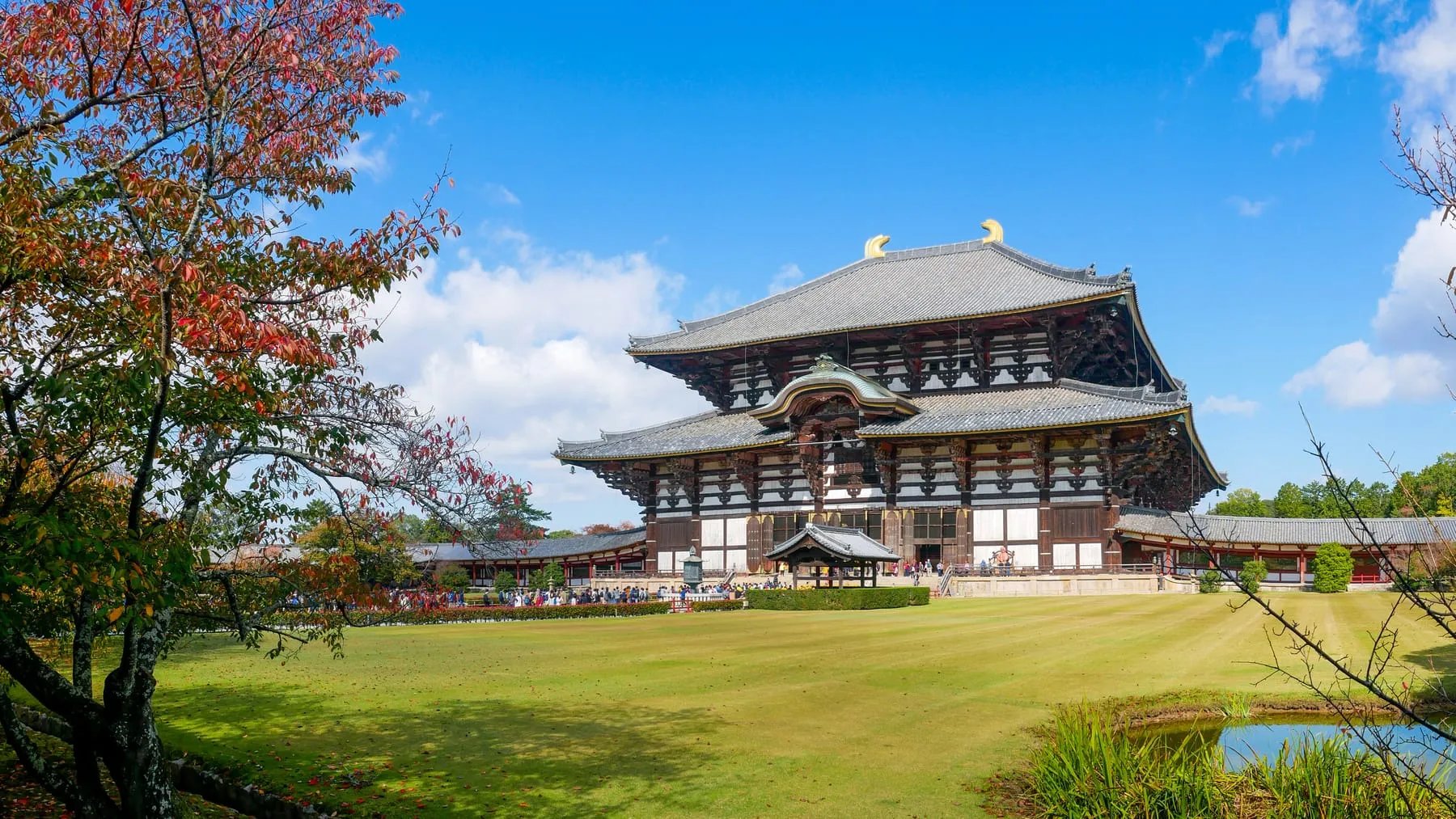
Nara’s deer park and Todai-ji, with its giant bronze Buddha, are a half-day trip from Kyoto. The Nara early morning tour offers a Kyoto departure and starts early, so you reach the park and the temple before most day-trippers.
How much do 3 days in Kyoto cost?
Temple and castle fees for this plan add up to about ¥3,800 (about $24) per adult, at prices checked in October 2026. Kyoto’s best-known free sights, Fushimi Inari, the bamboo grove, Yasaka Shrine and the Philosopher’s Path, carry the rest of the plan.
| Sight | Adult | Day |
|---|---|---|
| Fushimi Inari, Yasaka Shrine, bamboo grove, Philosopher’s Path | Free | 1 to 3 |
| Kiyomizu-dera | About ¥500 | 1 |
| Tenryu-ji garden | ¥500 | 2 |
| Kinkaku-ji | ¥500 | 2 |
| Ginkaku-ji | ¥1,000 | 3 |
| Nijo Castle with the Ninomaru Palace | ¥1,300 | 3 |
| Total | About ¥3,800 (about $24) |
Transport: Kyoto city buses charge a flat ¥230 (about $1.50) per ride inside the central zone, according to Kyoto City Bus, and the Subway & Bus 1-Day Pass costs ¥1,100 (about $7). Five bus rides cost ¥1,150, so buy the pass only on a day with five or more bus or subway rides. On this plan, Days 1 and 2 run mostly on JR and Keihan trains and on foot, so the pass pays off, if at all, on Day 3. A Suica or ICOCA card works on the buses, subway and trains.
Hotel tax: since March 1, 2026, Kyoto’s accommodation tax is charged per person per night by room rate: ¥200 under ¥6,000, ¥400 from ¥6,000 to ¥19,999, ¥1,000 from ¥20,000 to ¥49,999, ¥4,000 from ¥50,000 to ¥99,999 and ¥10,000 from ¥100,000. Two people sharing a ¥40,000 room pay ¥1,000 each, or ¥6,000 (about $38) over three nights.
Where to stay for 3 days in Kyoto
Stay in Gion or Higashiyama to walk to Day 1’s sights and to Pontocho at night, or near Kyoto Station for the shinkansen and the JR lines to Fushimi Inari, Arashiyama and Nara. Two picks:
- In Gion: The Celestine Hotel Gion, on the edge of the old district, within walking distance of Yasaka Shrine and Kiyomizu-dera.
- For US loyalty points: Hyatt Regency Kyoto, in southern Higashiyama, between Kyoto Station and the eastern temples, earning World of Hyatt points.
Getting to and around Kyoto
- From Tokyo: the Nozomi shinkansen takes about 2 hours 15 minutes from Tokyo to Kyoto. A reserved seat booked on smartEX costs ¥13,970 (about $88) one way in regular season, as our Japan Rail Pass break-even guide shows, so the pass rarely pays off for Tokyo and Kyoto alone.
- Trains: JR lines run to Fushimi Inari, Arashiyama and Nara; the Keihan Line connects Fushimi Inari with Kiyomizu-Gojo and Gion-Shijo.
- Buses: they reach the temples the trains don’t, but they’re slow and crowded at midday. Taxis are worth it for cross-town hops like Arashiyama to Kinkaku-ji, especially for three or four people.
- On foot: Higashiyama, Gion, Pontocho and Nishiki are all walkable from each other.
When is the best time to see fall colors in Kyoto?
Fall foliage usually turns Kyoto’s temples red and gold from mid-November into early December, and that’s when the city is at its busiest. Temples add special hours for the leaves, so check their pages for the season you’re visiting:
- Tenryu-ji scheduled an early 7:30 am garden opening from November 14 to 30 for the 2026 season, for the morning light on the maples.
- Kiyomizu-dera scheduled its 2026 fall night viewings for November 21 to 30, open until 9:30 pm with last entry at 9 pm, according to Kiyomizu-dera’s event calendar.
In this season, early starts stop being a tip and become the plan, and tea ceremonies and Gion walks fill sooner.
Before you go: tips for US travelers
- Entry and tax-free shopping: US passport holders need no visa for tourist stays of up to 90 days. Since November 1, 2026, tax-free shopping works as a refund you claim at customs when you leave Japan. Our 3 days in Tokyo itinerary explains both.
- Cash: bring yen for temple gates, market stalls and small restaurants. Larger hotels and stores take US cards.
- Tipping: not expected anywhere.
- Shoes: you’ll take them off at many temple halls and teahouses, so wear a pair that slips on and off.
- Your phone: you’ll use it for bus routes and maps all day. Verizon and AT&T charge $12 a day for roaming; an Airalo eSIM for Japan is set up before you fly. Use code GUIDEZ15 at checkout if you’re new to Airalo, or GUIDEZ10 if you’ve bought from them before. Our Japan eSIM vs pocket WiFi comparison runs the numbers.
If you have a fourth day
Spend it on Nara if you didn’t swap it in, or on a slower day in Kyoto: the rock garden of Ryoan-ji near Kinkaku-ji, the sake breweries of Fushimi, or the smaller temples of Higashiyama. Osaka is about 15 minutes away by shinkansen from Kyoto Station, and our 2 days in Osaka itinerary plans it. For a longer day out, our Hiroshima and Miyajima day trip guide covers the bullet train from Kyoto, about 1 hour 40 minutes each way. Seeing more of the country? The 2-week Japan itinerary strings Tokyo, Kyoto, Hiroshima and Osaka together.
Ready to book? Start with the morning that sets up the whole trip: the Kyoto early morning tour, or a dawn alarm for Fushimi Inari, then reserve your tea ceremony and Gion walk. For restaurants, cafés and smaller temples between the big sights, open Omer in Japan’s Kyoto recommendations map on Guidez, which is in Hebrew.