Cherry blossom season in Japan in 2027 should peak in Tokyo around March 31 and in Kyoto and Osaka around April 4, going by the Japan Meteorological Agency’s 30-year averages. Every full bloom in those three cities from 2021 to 2026 landed between March 22 and April 6, so aim for the last week of March and the first week of April. Book a free-cancellation hotel now.
The official 2027 forecasts won’t appear until winter, but hotels near the famous parks don’t wait for them: reserve a refundable room now, such as The Celestine Kyoto Gion, a walk from Maruyama Park’s weeping cherry, and adjust the dates once the forecast firms up.
When do cherry blossoms bloom in each Japanese city?
The table below gives the Japan Meteorological Agency’s (JMA) normal dates, the 1991-2020 average, for first bloom and full bloom, plus what actually happened in 2026. The JMA counts first bloom (kaika) as the day five or six flowers open on a city’s sample tree, and full bloom (mankai) as the day about 80% of the buds are open, according to its FAQ. It tracks somei yoshino, the most common variety, except in Okinawa and parts of Hokkaido, which use local species.
| City | Normal first bloom | Normal full bloom | 2026 full bloom | Good for |
|---|---|---|---|---|
| Naha (Okinawa) | January 16 | February 4 | February 3 | Winter sun, hikan-zakura variety |
| Fukuoka | March 22 | March 31 | April 3 | Kyushu, Maizuru Park |
| Tokyo | March 24 | March 31 | March 28 | Ueno, Chidorigafuchi, Meguro River |
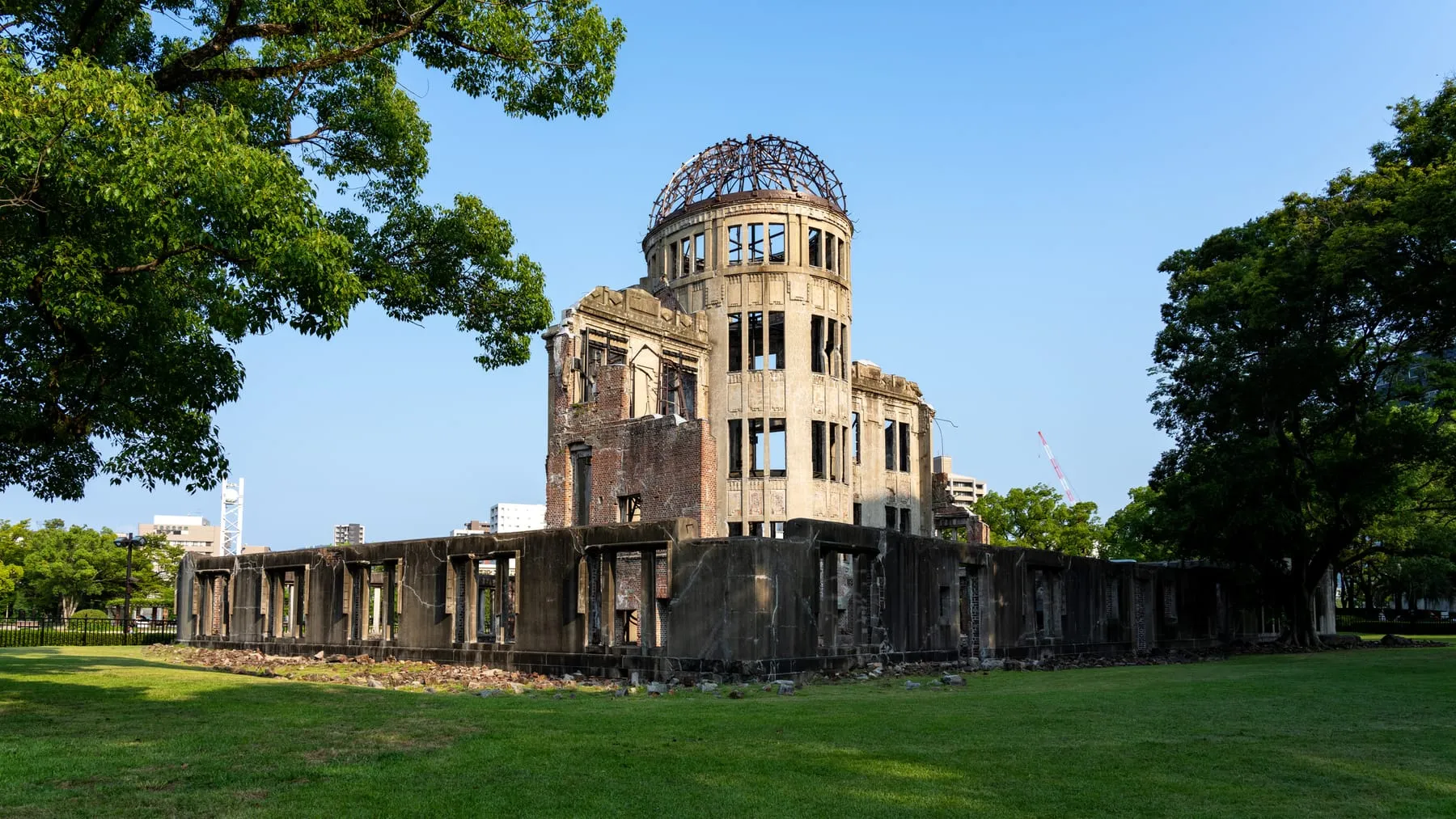
| Hiroshima | March 25 | April 3 | March 30 | Peace Park, Miyajima |
| Nagoya | March 24 | April 2 | March 30 | Stop between Tokyo and Kyoto |
| Kyoto | March 26 | April 4 | March 30 | Temples, Philosopher’s Path |
| Osaka | March 27 | April 4 | April 3 | Osaka Castle Park |
| Nara | March 28 | April 4 | March 31 | Nara Park, Yoshino nearby |
| Kanazawa | April 3 | April 8 | April 3 | Kenrokuen, Kanazawa Castle |
| Sendai | April 8 | April 13 | April 4 | Tohoku |
| Nagano | April 11 | April 16 | April 6 | Japanese Alps |
| Aomori (for Hirosaki) | April 22 | April 26 | April 16 | Hirosaki Castle |
| Hakodate | April 28 | May 2 | April 20 | Goryokaku fort |
| Sapporo | May 1 | May 6 | April 24 | Hokkaido in Golden Week |
Source: JMA first-bloom and full-bloom tables, checked October 31, 2026. In the JMA’s averages, full bloom comes 5 to 9 days after first bloom: 7 days in Tokyo, 9 in Kyoto and 5 in Sapporo, where spring arrives in a rush.
Two patterns stand out. The front moves north at a predictable pace: Tokyo, Kyoto, Osaka and Hiroshima all peak within about four days of each other, then the north follows over the next five weeks. And recent years have run early: in 2026, Sendai’s trees peaked nine days ahead of normal and Sapporo’s twelve.
When will the 2027 cherry blossom forecast be released?
The first 2027 forecasts should appear around December 2026, with the useful ones arriving in February and March. As of October 31, 2026, none has been published. The JMA itself records when trees bloom; the forecasts come from private weather companies, and the most quoted one, the Japan Meteorological Corporation (JMC), covers about 1,000 viewing spots. For the 2026 season it issued its first forecast in mid-December 2025, earlier than its traditional January start, and its 14th and final update came on April 23, 2026.
How accurate were the 2026 forecasts? Close. JMC’s final figures put Tokyo’s first bloom on March 19 and full bloom on March 28, which is what the JMA recorded. Early forecasts move around, though, because they depend on winter temperatures that haven’t happened yet. Treat a December forecast as a hint and a mid-March one as a plan.
Some travel sites already list “2027 forecast” dates. Until a weather company such as JMC publishes one, those dates are 30-year averages like the ones in our table, not forecasts. When you read a forecast, check who issued it and on what date.
The last six years in Tokyo, Kyoto and Osaka
This is the table to use when you have to commit to flights before any forecast exists. Full-bloom dates from the JMA:
| Year | Tokyo | Kyoto | Osaka |
|---|---|---|---|
| 2021 | March 22 | March 26 | March 28 |
| 2022 | March 27 | March 30 | March 30 |
| 2023 | March 22 | March 24 | March 27 |
| 2024 | April 4 | April 5 | April 6 |
| 2025 | March 30 | April 5 | April 4 |
| 2026 | March 28 | March 30 | April 3 |
Our rule: if you can travel for ten days or more, book Tokyo and Kyoto between about March 25 and April 6 and you’ll catch full bloom in at least one of them in a typical year. With only a week, center it on April 1. If you can go later, Hirosaki, Sendai and Hokkaido make a second, less crowded season from mid-April into May.
Why book hotels before the forecast comes out?
Because the forecast arrives too late to be your booking trigger. Late March and early April is peak season in Japan’s big cities: cherry blossoms draw domestic and foreign visitors, and Japanese schools are on spring break between school years. The Kyoto City travel guide says spring is beautiful but crowded and recommends early mornings for the Higashiyama area. By the time a reliable forecast exists in March, the best-located rooms near the parks have had months of bookings.
So book now and keep it flexible:
- Pick a refundable rate. Many hotels on Expedia and Booking.com sell a free-cancellation rate alongside a cheaper nonrefundable one, which lets you move your city order or dates if the 2027 forecast shifts.
- Choose the area by its blossoms. A hotel within walking distance of a viewing spot lets you go at 6 am, before the crowds, and again at night for the lanterns.
- Price a package if you’re flying from the US. An Expedia flight + hotel bundle prices the round-trip flight and the room together, which helps when both are at peak rates. Expedia itself notes that not every Japan package is flexible, so pick one with free cancellation.
- Budget for Kyoto’s hotel tax. Since March 1, 2026, Kyoto charges ¥1,000 (about $6) per person per night for rooms costing ¥20,000 to ¥49,999 and ¥4,000 (about $25) for ¥50,000 to ¥99,999, according to the Kyoto City Official Travel Guide.
Where to stay for the cherry blossoms
| City | Hotel | Why it works in sakura season |
|---|---|---|
| Tokyo | NOHGA Hotel Ueno Tokyo | Near Ueno Station, a short walk from Ueno Park’s cherry-lined main path |
| Tokyo | The Gate Hotel Kaminarimon | Next to Senso-ji in Asakusa, close to the riverside trees of Sumida Park |
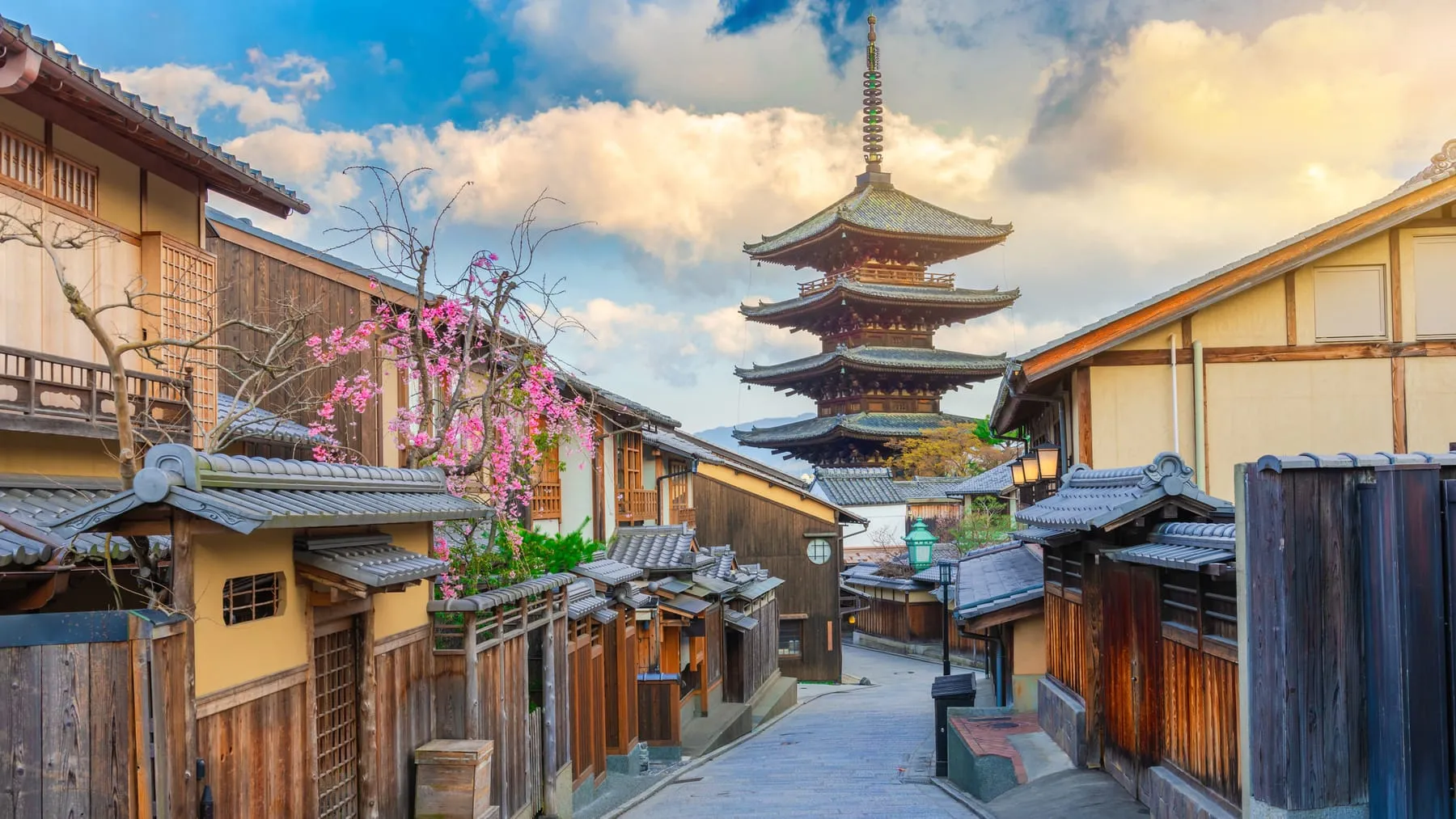
| Kyoto | The Celestine Kyoto Gion | Walk to Maruyama Park’s weeping cherry and the Higashiyama temples |
| Kyoto | Hyatt Regency Kyoto | Earns World of Hyatt points; in Higashiyama, a bus or taxi ride from the main spots |
| Osaka | Hotel New Otani Osaka | Beside Osaka Castle Park, with castle-view rooms |
| Mt. Fuji | Fuji View Hotel | By Lake Kawaguchi, so you can reach the Chureito Pagoda viewpoint early |
Choosing a Tokyo neighborhood beyond the parks? Our guide to where to stay in Tokyo compares Shinjuku, Shibuya, Ginza, Asakusa and Ueno.
Best cherry blossom spots in Tokyo
Tokyo’s trees normally reach full bloom on March 31. These four spots cover the classic views, and three of them are free.
- Shinjuku Gyoen National Garden. About 900 cherry trees of roughly 70 varieties, according to the garden’s sakura page, so something is in flower from early varieties in February to the Kanzan trees in mid to late April. Adult admission is ¥500 (about $3), checked in October 2026. From March 25 to April 24 it opens every day, including Mondays, and the garden warns that weekend and holiday entry may require an advance reservation in that period. Alcohol is banned, which makes it calmer than other parks. Guided walks and garden tickets are listed on Viator’s Shinjuku Gyoen page.
- Ueno Park. About 1,000 trees along a wide main path, in full bloom in late March and early April, says the Japan National Tourism Organization. This is the city’s big hanami-party park: come early to watch groups claim spots with blue tarps.
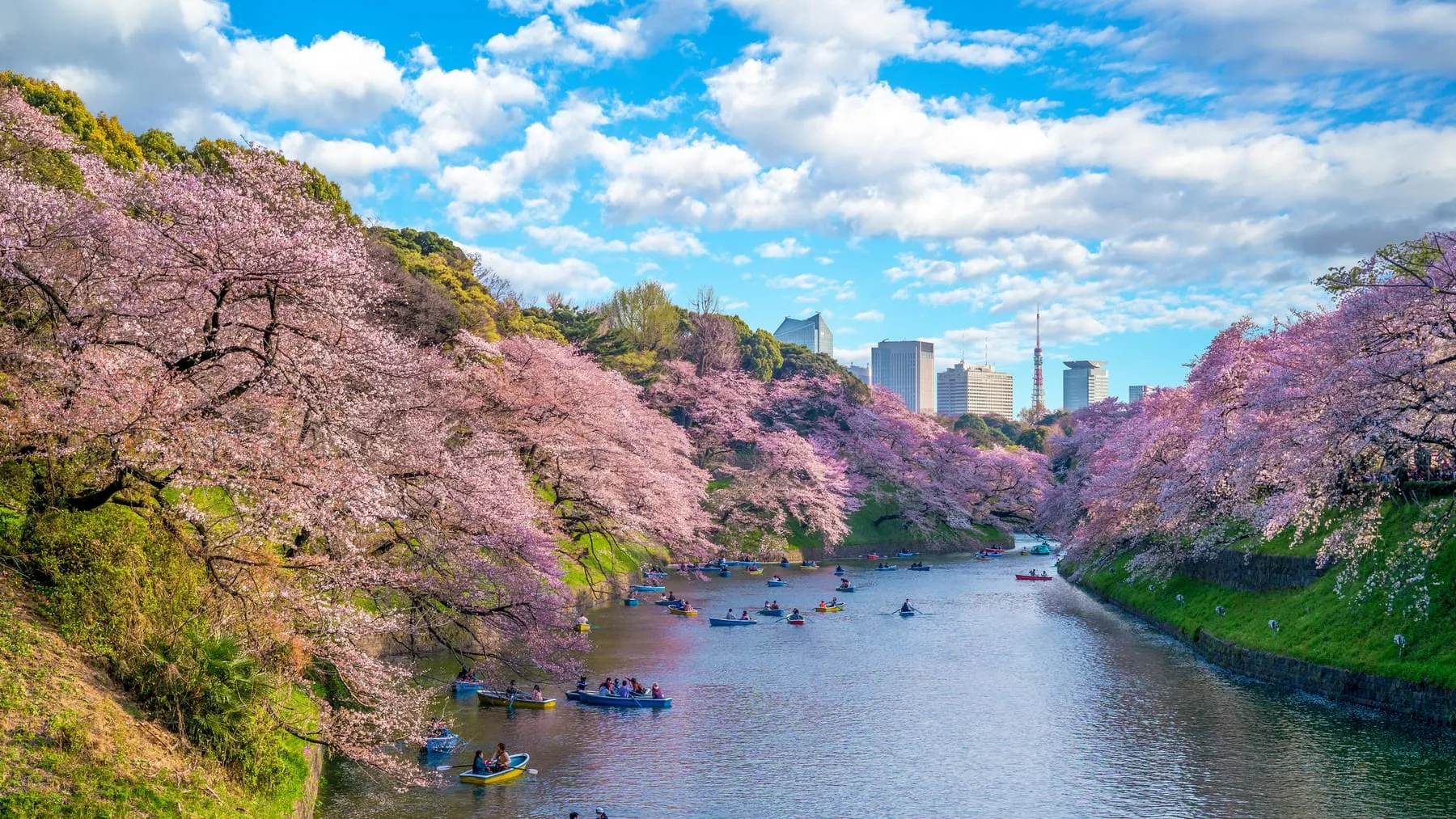
- Chidorigafuchi. Cherry trees hang over the Imperial Palace moat, the view in our photo at the top. During the 2026 Chiyoda Sakura Festival, rowboats booked in advance cost ¥12,000 (about $76) per boat per hour, including a donation to the cherry tree fund, and the trees were lit up from 6 pm between March 26 and April 6, according to GO TOKYO. Boats bought on the day at the pier cost less. See the walks and tours on Viator’s Chidorigafuchi page.
- Meguro River in Nakameguro. Roughly 800 trees line the canal, and paper lanterns turn it into Tokyo’s favorite night walk. Go on a weekday; the narrow paths pack solid on spring weekends. Nakameguro’s izakayas make it an easy dinner stop afterward, and our Tokyo food tours roundup has guided evenings in Shibuya and Shinjuku if you’d rather have a local order for you.
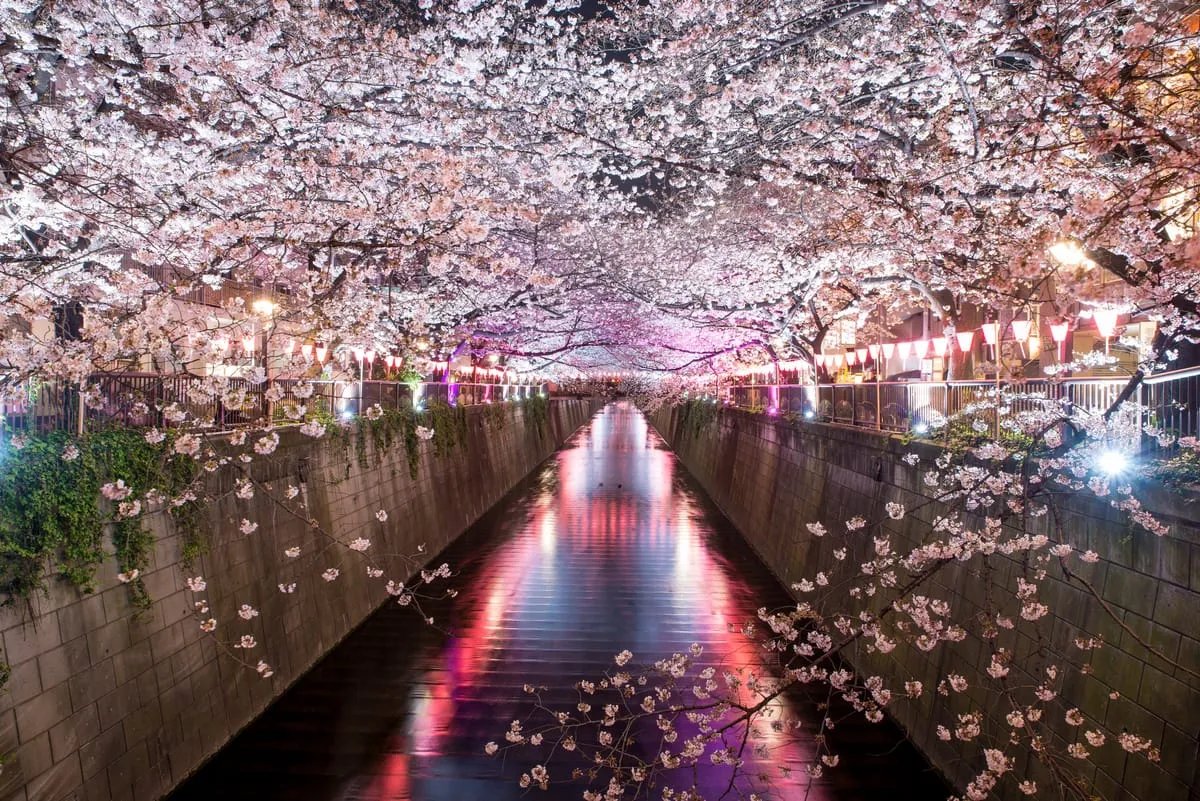
Want a guide and a picnic? The private cherry blossom walking tour with a picnic meets at Ueno Park and builds the route around whatever is blooming that day, which is useful in a year when the main trees peak before or after your visit. For the rest of your time in the city, our 3-day Tokyo itinerary fits Ueno and Asakusa into one day. Spring rain can wash out a viewing day; if it does, our teamLab Planets tickets guide covers Tokyo’s most popular indoor alternative, which is worth booking ahead in the busy blossom weeks.
Best cherry blossom spots in Kyoto
Kyoto normally reaches full bloom on April 4, a few days after Tokyo, so the classic route is Tokyo first, then Kyoto.
- Maruyama Park. Its centerpiece is a tall weeping cherry, lit up at night, and the park fills with hanami parties in early April. It’s next to Yasaka Shrine at the end of Gion.
- The Philosopher’s Path. About 2 km (1.2 miles) of somei yoshino and other trees along a canal between Ginkaku-ji and Nanzen-ji, according to the Kyoto City Official Travel Guide. Walk it before 8 am. Short guided walks of the path and Nanzen-ji are listed on Viator’s Philosopher’s Path page.
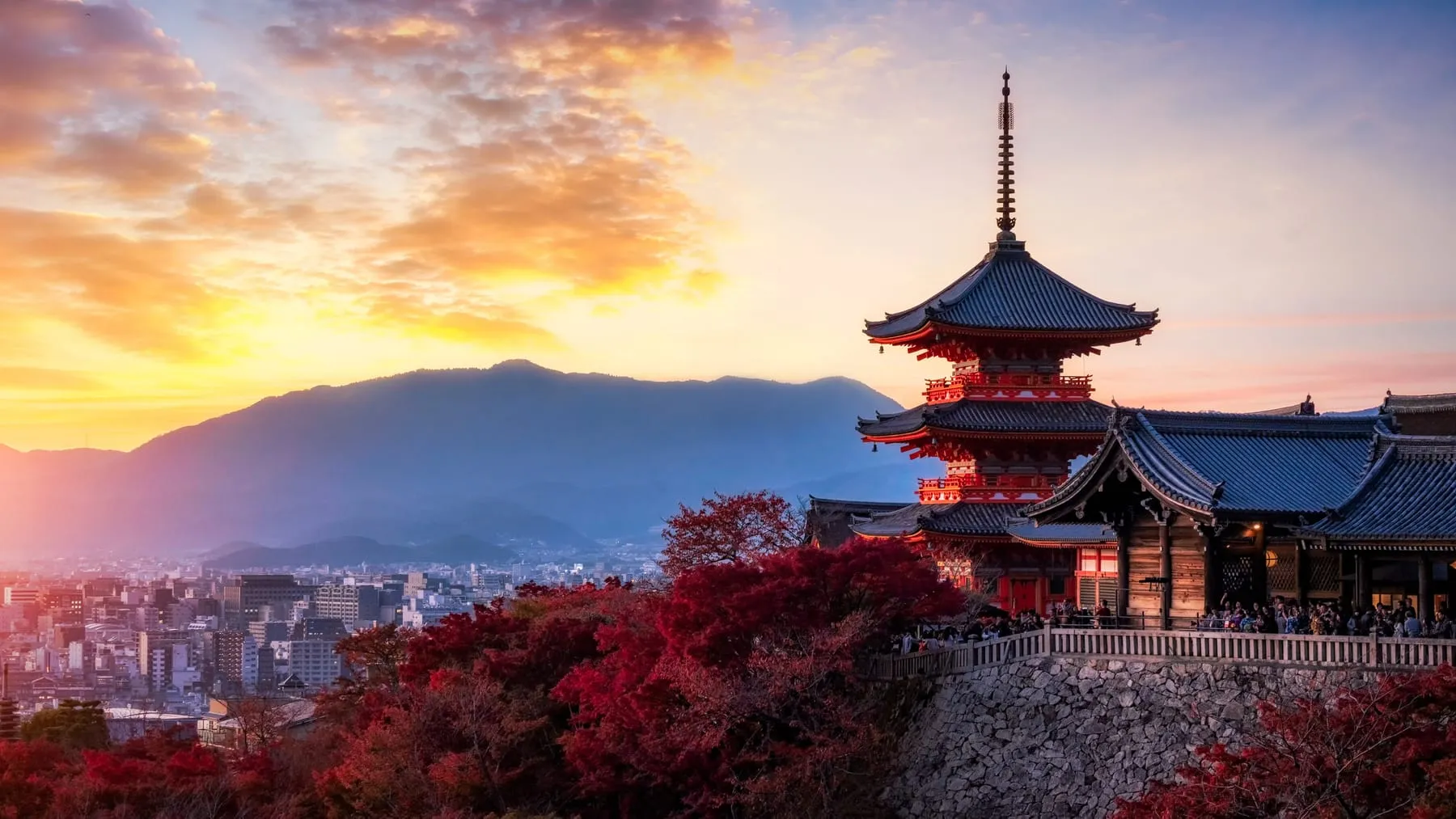
- Heian Shrine, Tenryu-ji and Daigo-ji. Weeping cherries beside vermilion halls, a pond and a Zen garden. These charge admission for their gardens.
- Nakaragi Path and Hirano Shrine. Less famous: about 800 m of weeping cherries by the Kamo River, and a shrine with around 400 trees of 60 varieties that blooms from early to late spring.
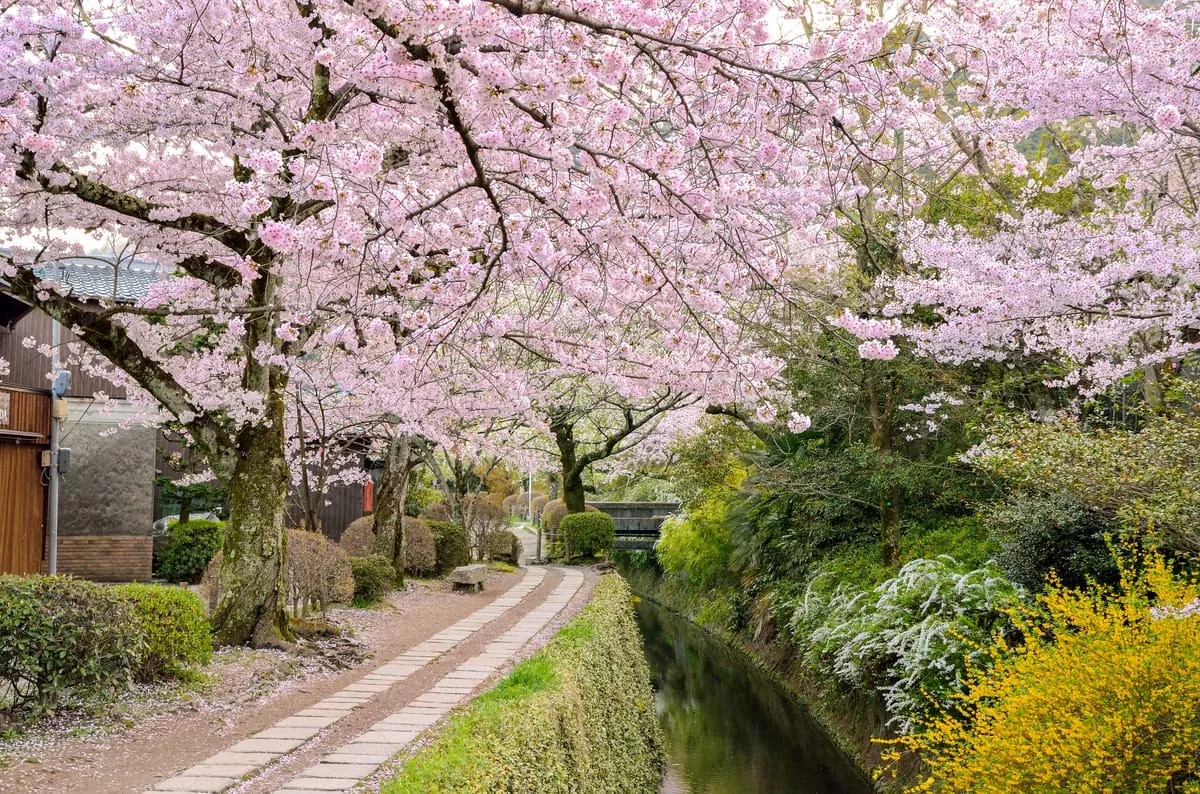
If you’d like someone else to work out which trees are at their best that day, the private Kyoto cherry blossom tour with a picnic covers Maruyama Park, the Kyoto Imperial Palace gardens and Okazaki Park, with a stop to buy your picnic in a department store food hall. Our 3-day Kyoto itinerary lays out the early starts for the rest of the city.
Osaka, Nara and Yoshino
Osaka and Nara usually bloom with Kyoto, about April 4, which makes them easy day trips from a Kyoto base.
- Osaka Castle Park. Thousands of cherry trees around the moats and the main keep. The Nishinomaru Garden charges a small entry fee and held a night viewing from March 20 to April 12 in 2026. Castle tickets and tours are on Viator’s Osaka Castle page, and our 2-day Osaka itinerary puts the castle on day one.
- The Japan Mint’s cherry passage. For one week each spring the Mint opens its riverside avenue of 331 trees of 140 varieties. In 2026 it ran April 9 to 15, entry was by advance online registration with a QR code, and the nearest stations were Temmabashi and Osakajo-kitazume, each about 15 minutes’ walk, according to the Japan Mint.
- Mt. Yoshino. About 30,000 cherry trees cover the mountain, says the Japan National Tourism Organization, and because they grow at different heights, full bloom is staggered over several days, usually in early to mid-April. It’s a long day by train. The Yoshino cherry blossom day tour from Osaka handles the transport by bus, stops at Tsubosaka-dera, the temple known for its giant Buddha framed by cherry blossoms, and adds strawberry picking; check whether your option includes a boxed lunch. The listing warns that the blossoms depend on the weather, which is true of every sakura tour.
For Nara’s deer park and temples, see our Nara day trip guide.
Mt. Fuji and the Chureito Pagoda
The view of the red pagoda, cherry blossoms and Mt. Fuji at Arakurayama Sengen Park is the most photographed sakura scene in Japan, and it’s now a crowd problem. Fujiyoshida City canceled the park’s 2026 cherry blossom festival, announced on February 3, 2026, citing traffic, litter and trespassing on residents’ property, Euronews reported. The festival had drawn up to 200,000 visitors a year, and the park stayed open, with waits of up to three hours expected at the observation deck.
Two ways to do it well:
- Go with a tour that handles the driving. The Mt. Fuji, Chureito Pagoda and Lake Kawaguchiko day tour from Tokyo is a full day by bus with hotel-area pickup points and the most reviews of the Fuji tours we compared. Our Mt. Fuji day trip guide weighs it against doing it yourself.
- Sleep by the lake. A night at the Fuji View Hotel lets you climb to the viewpoint at sunrise, before the day-trippers arrive.
The Fuji Five Lakes sit high above Tokyo, so their trees bloom later, generally in April.
Following the bloom north: Hirosaki and Hokkaido
If you missed late March or prefer smaller crowds, the north blooms from mid-April into May.
Hirosaki Castle Park in Aomori Prefecture has about 2,600 cherry trees of more than 50 varieties, some over 300 years old, according to the Japan National Tourism Organization. Its festival runs from mid or late April to early May (it ended on May 5 in 2026), and the trees and castle are lit up at night. Aomori’s normal full bloom is April 26. The festival overlaps Japan’s Golden Week holidays (April 29 to May 5), so book hotels in Hirosaki or Aomori early.
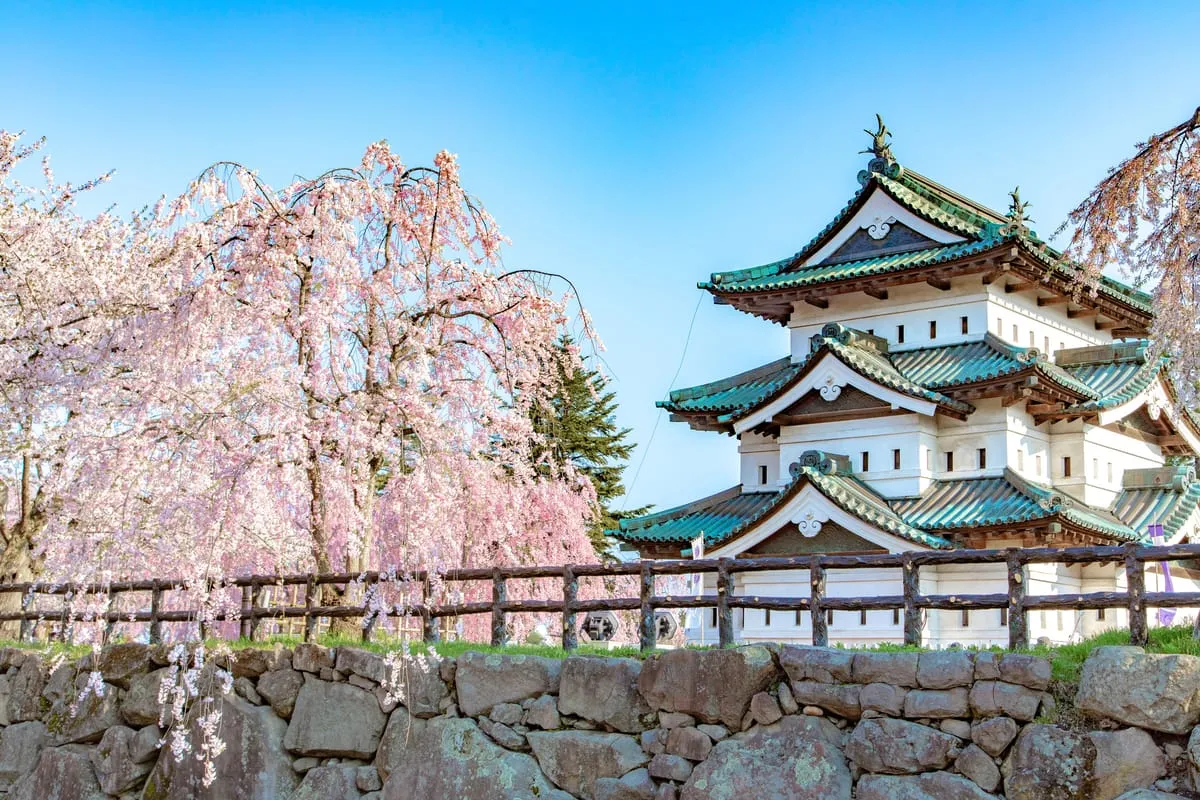
Hokkaido comes last: Hakodate normally peaks on May 2 and Sapporo on May 6. In 2026 both were well over a week early, so a Golden Week trip could just as easily find the petals gone. Treat Hokkaido as a bonus, not the main event.
Before that, in winter: Okinawa’s deep-pink hikan-zakura bloom in January and February, and the Kawazu-zakura on the Izu Peninsula flower about a month before most of Honshu, with a festival through February.
Tips for US travelers in cherry blossom season
- Entry: US passport holders don’t need a visa for tourist stays of up to 90 days, according to the Japan National Tourism Organization.
- Weather: spring is cool. In Tokyo, April averages a high of 67°F (19.4°C) and a low of 50°F (9.8°C), and late March is colder, according to the JMA’s 1991-2020 normals. Pack a warm layer for evening viewings.
- Picnic rules: parks differ. Shinjuku Gyoen bans alcohol, while Ueno and Maruyama are where the beer comes out. Take your trash with you; public bins are rare.
- Staying connected: you’ll be checking bloom maps, train times and Google Maps all day. Verizon’s TravelPass costs $12 a day per line, while an Airalo Japan eSIM installs before you fly; use code GUIDEZ15 at checkout if you’re new to Airalo, or GUIDEZ10 if you’ve bought from them before. Our Japan eSIM vs pocket Wi-Fi comparison covers the alternatives.
- Trains: the bloom route from Tokyo to Kyoto, Osaka and Hiroshima follows the shinkansen line. Check whether a pass pays off in our Japan Rail Pass guide.
- Tipping: don’t. It isn’t customary in Japan.
Plan the route
For a first cherry blossom trip, the order that works with the averages is Tokyo in the last days of March, then Kyoto and Osaka in the first days of April, with a Fuji or Yoshino day trip if you have time. Hiroshima normally peaks on April 3, and our Hiroshima and Miyajima day trip guide shows how to reach the Peace Park and Miyajima from Osaka by bullet train in a day. Our 2-week Japan itinerary follows that line from Tokyo to Hiroshima. Lock in the hard part first: a refundable room near the blossoms, like The Celestine Kyoto Gion for Kyoto or NOHGA Hotel Ueno Tokyo for Tokyo, and fine-tune the nights once the March forecast is out. For cafés, food and hotels between viewing spots, open Omer in Japan’s map of recommendations for Tokyo, Kyoto and Osaka on Guidez, which is in Hebrew.