The best place to stay in Tokyo for a first visit is Shinjuku: every JR line stops there, the Narita Express runs straight in from the airport (¥3,330, about $21), and Mount Fuji and Hakone trips start there. Shibuya is second for shopping and nightlife, Ginza and Tokyo Station suit shinkansen travelers, and Asakusa and Ueno give you old Tokyo for less. Our pick is Hotel Gracery Shinjuku.
Shinjuku Station is also served by the Keio and Odakyu railways and three subway lines, and Gracery is the Kabukicho hotel with the Godzilla head on its terrace, a few minutes’ walk from the station and the izakaya alleys. Asakusa and Ueno also have the fastest trains to Narita. On top of the room rate, Tokyo adds ¥100 to ¥200 (about $0.60 to $1.30) per person per night in accommodation tax, as of October 2026.
Best areas to stay in Tokyo at a glance
Tokyo has no single center, so you choose a hub rather than an old town. The JR Yamanote Line loops around the core, linking Shinjuku, Shibuya, Tokyo Station and Ueno, and the subway fills in the middle. Here’s how the five areas most visitors choose compare.
| Area | Best for | Main stations and lines | From the airport | Hotel picks |
|---|---|---|---|---|
| Shinjuku | First visit, day trips, nightlife | JR Yamanote and Chuo, Keio, Odakyu, Marunouchi, Toei Shinjuku and Oedo lines | Narita Express direct, ¥3,330 (about $21) | Hotel Gracery Shinjuku, Hilton Tokyo, Hyatt Regency Tokyo |
| Shibuya | Shopping, cafés, nightlife | JR Yamanote, Ginza, Hanzomon and Fukutoshin lines, Tokyu and Keio | Narita Express direct | Cerulean Tower Tokyu Hotel, Hotel Indigo Tokyo Shibuya (IHG), Shibuya Excel Hotel Tokyu |
| Ginza and Tokyo Station | Shinkansen, upscale stays, food halls | JR lines and shinkansen at Tokyo Station; Ginza, Marunouchi and Hibiya lines | Narita Express or the ¥1,500 TYO-NRT bus; Monorail from Haneda | Hyatt Centric Ginza Tokyo, Mitsui Garden Hotel Ginza Premier, The Tokyo Station Hotel |
| Asakusa | Old Tokyo, value, quieter nights | Ginza, Toei Asakusa and Tobu Skytree lines | Keisei Access Express, ¥1,290 (about $8); some Keikyu trains from Haneda | The Gate Hotel Kaminarimon, Asakusa View Hotel |
| Ueno | Narita arrivals, museums, families | JR Yamanote and shinkansen, Ginza and Hibiya lines, Keisei | Skyliner, 41 minutes, ¥2,580 (about $16) | Nohga Hotel Ueno Tokyo |
Our rule: pick a hotel within a 5-minute walk of a station on the Yamanote Line or a subway line that crosses it. Tokyo stations are huge, and a hotel “near Shinjuku Station” can still be 15 minutes from your platform, so check which exit the hotel is closest to before you book.
Shinjuku: best for a first visit
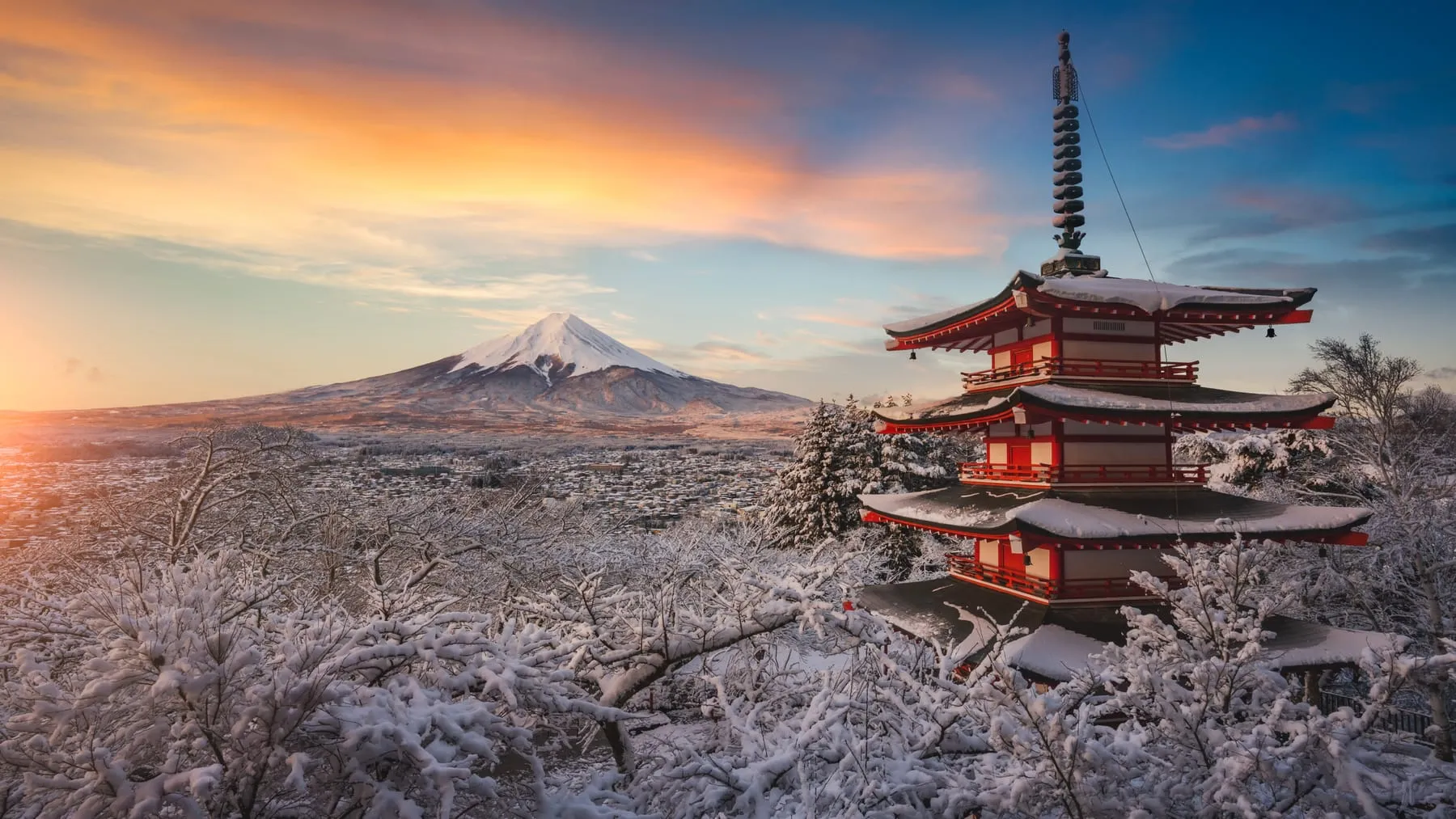
Shinjuku is the most practical base in Tokyo. GO TOKYO lists every JR line, the Keio and Odakyu railways, the Marunouchi Line and the Toei Shinjuku and Oedo lines at Shinjuku Station, which means one-seat rides to most of the city. The Narita Express runs directly from Narita for ¥3,330 (about $21). Highway buses for Mount Fuji’s Fuji Five Lakes leave from Busta Shinjuku, a bus terminal connected to the station’s south exit, and Odakyu trains run from Shinjuku to Hakone, so our Mount Fuji day trip guide starts right here.
The east side is the fun part: department stores, the neon of Kabukicho, the yakitori lanes of Omoide Yokocho and the tiny bars of Golden Gai. The west side, Nishi-Shinjuku, is skyscrapers, big hotels and the Tokyo Metropolitan Government Building, whose observation decks are free.
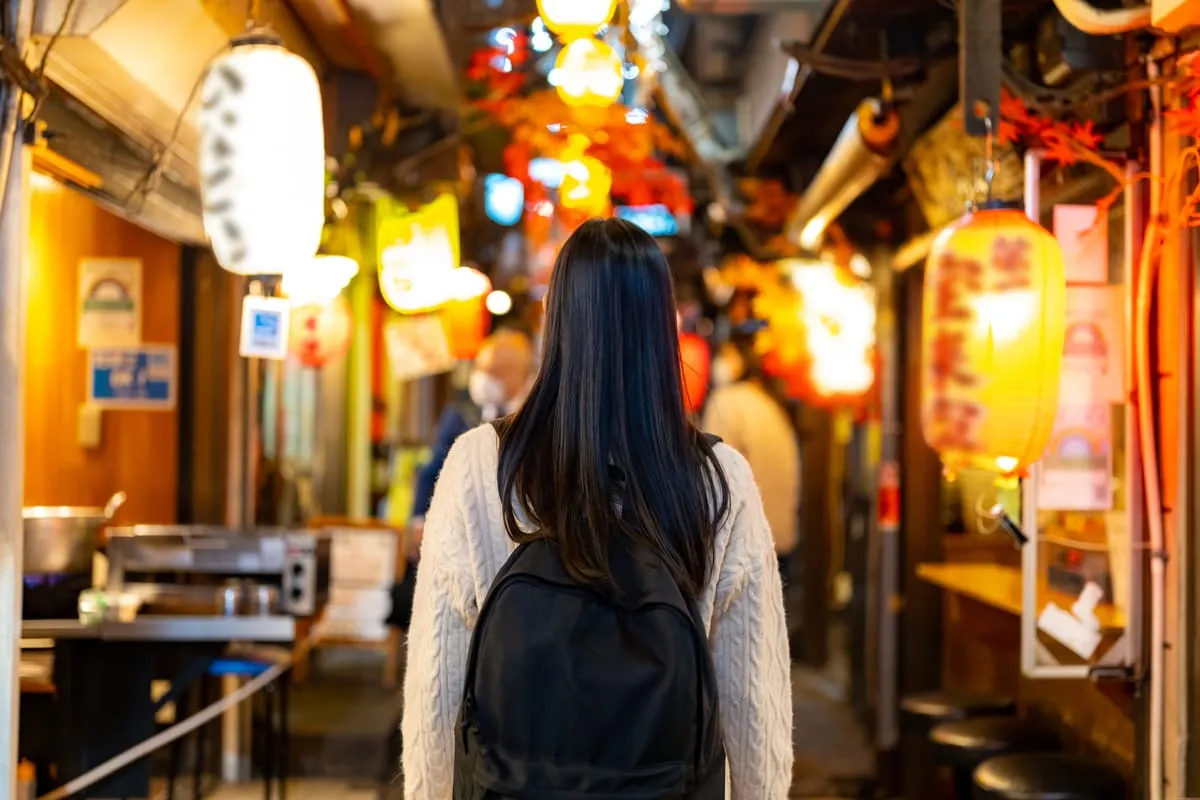
The trade-off: the station is a maze of exits and underground passages, and Kabukicho has touts at night. Neither is dangerous, but choose your hotel by the exit you’ll use.
Where to stay:
- Best overall: Hotel Gracery Shinjuku sits in Kabukicho, a few minutes’ walk from Omoide Yokocho, Golden Gai and the station’s east exit. The rooms are compact and well run, and the Godzilla head on its terrace makes it easy to find.
- For Hilton Honors points: Hilton Tokyo is in Nishi-Shinjuku, a short walk from the free government-building observatories and the Oedo Line, with a quieter street outside than the east side.
- For families and World of Hyatt members: Hyatt Regency Tokyo, also in Nishi-Shinjuku, has 712 rooms, a spa and a shuttle to the station, and its listing says children up to 12 stay free using existing beds.
If you’d like a guide for your first night out, the Shinjuku bar-hopping tour with dinner and Golden Gai orders for you in the tiny izakaya. Our Tokyo food tours roundup compares it with the alternatives.
Shibuya: best for shopping and nightlife
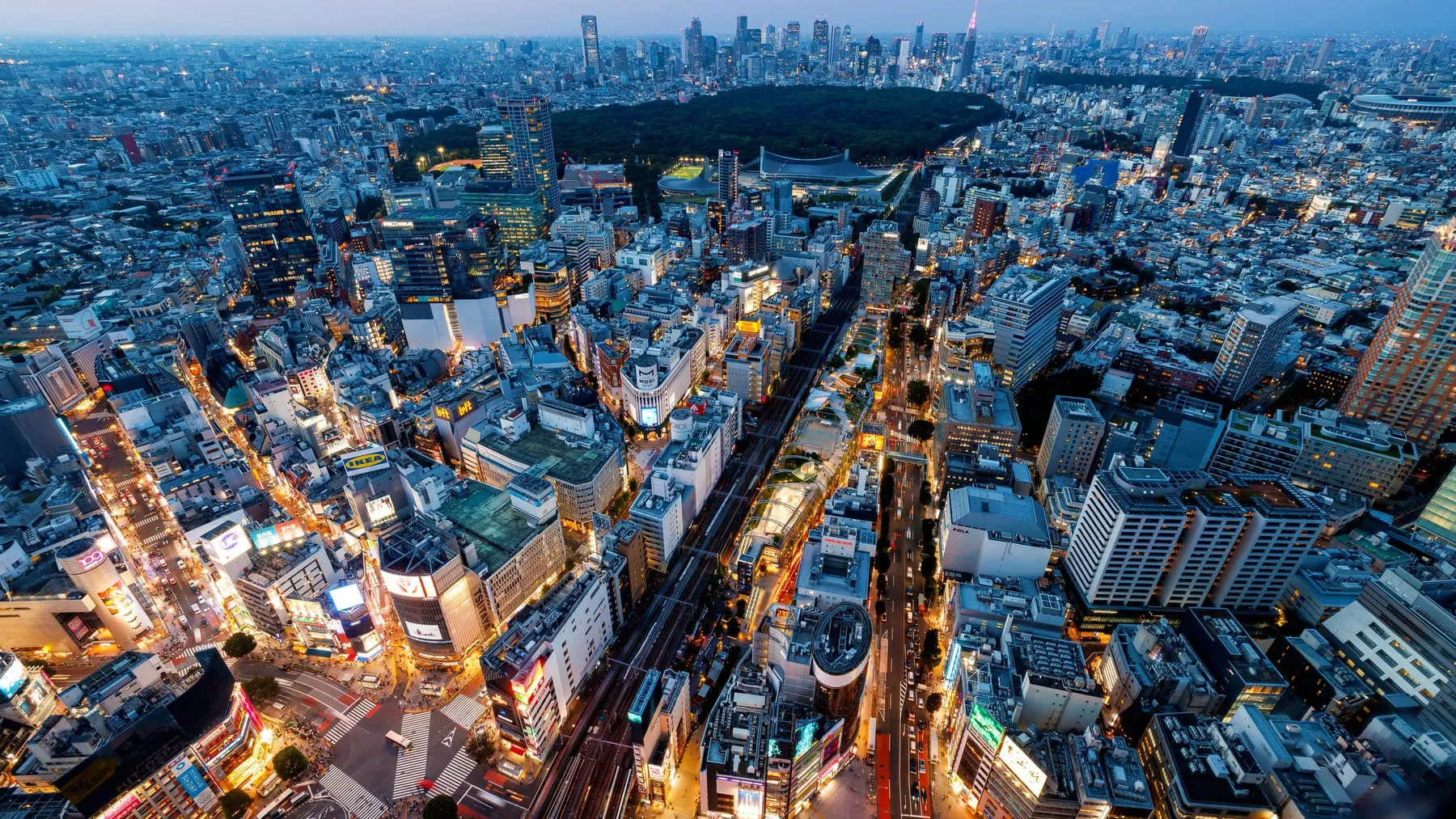
Shibuya is younger and more about shopping than Shinjuku. GO TOKYO lists JR lines, the Keio Inokashira and two Tokyu lines and the Ginza, Hanzomon and Fukutoshin subway lines at Shibuya Station. The Narita Express stops here too. The scramble crossing floods with people every couple of minutes outside the station, Shibuya Sky looks down on it from about 230 meters (755 feet), and Harajuku and Omotesando are about a 20-minute walk away. At night, Udagawacho and Maruyamacho fill with record shops, live music venues and clubs, and the side streets with bars and karaoke.
The trade-off: Shibuya is about 7 minutes from Shinjuku on the Yamanote Line, so you lose little by staying here, but it has fewer budget hotels near the station.
Where to stay:
- Best luxury: Cerulean Tower Tokyu Hotel stands on the Sakuragaoka side of the station, about a 5-minute walk from the crossing, with an indoor pool, a spa and a top-floor restaurant with city views.
- For IHG One Rewards points: Hotel Indigo Tokyo Shibuya fills the upper floors of a building on Dogenzaka, within a 5-minute walk of the station, with 272 rooms and an Italian restaurant with a skyline terrace.
- Best for crossing views: Shibuya Excel Hotel Tokyu sits right beside the station on Dogenzaka, with 408 rooms and a 25th-floor restaurant that looks down on the scramble crossing.
Ginza and Tokyo Station: best for the shinkansen and upscale stays
Ginza is Tokyo’s polished downtown: department stores, flagship shops, the Kabukiza theater and the food halls under Mitsukoshi and Matsuya. On weekends and national holidays, its main street closes to cars and becomes a pedestrian zone from noon to 6 pm from April to September and to 5 pm from October to March, according to GO TOKYO. Ginza Station is on the Ginza, Marunouchi and Hibiya subway lines, and Tokyo Station is about 15 minutes’ walk away.
Tokyo Station is the place to be if you’ll ride the shinkansen. Bullet trains leave from here for Kyoto and Osaka, and the Narita Express reaches it from Narita in as little as 53 minutes, while the TYO-NRT airport bus runs to Tokyo Station and Ginza for ¥1,500 (about $9.50). The Tsukiji Outer Market is a short walk or one stop from Ginza for breakfast.
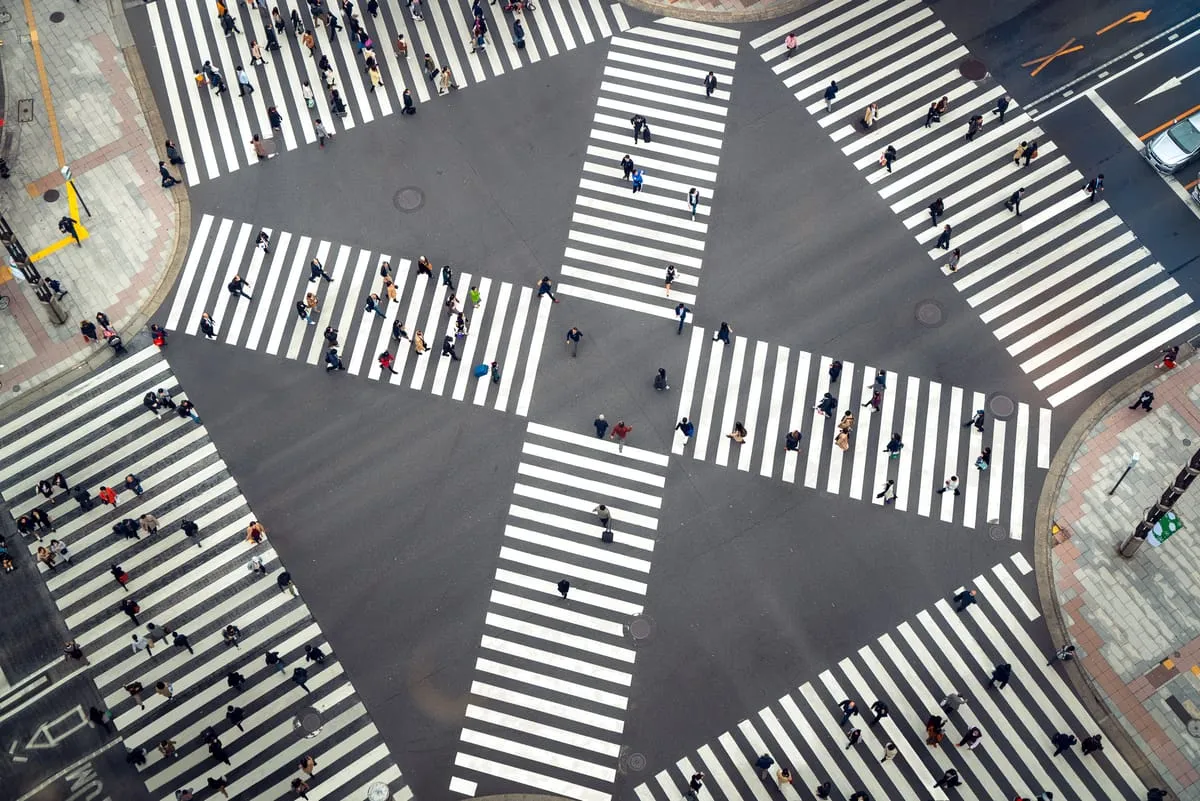
The trade-off: this is an expensive part of town, and after the shops close the streets go quiet. Nightlife means a subway ride to Shinjuku or Shibuya.
Where to stay:
- For World of Hyatt members: Hyatt Centric Ginza Tokyo is on Namiki-dori, about a 2-minute walk from Ginza Station, with 164 rooms with deep-soaking tubs.
- Best value in Ginza: Mitsui Garden Hotel Ginza Premier, at the Shimbashi end of Ginza, is a large 361-room Japanese hotel, a good alternative when the international brands nearby are full or over budget.
- For a special occasion: The Tokyo Station Hotel occupies the restored red-brick Marunouchi building of Tokyo Station itself. It has 150 rooms, a spa and six restaurants, and you can be on a shinkansen platform minutes after checking out.
Asakusa: best for old Tokyo and value
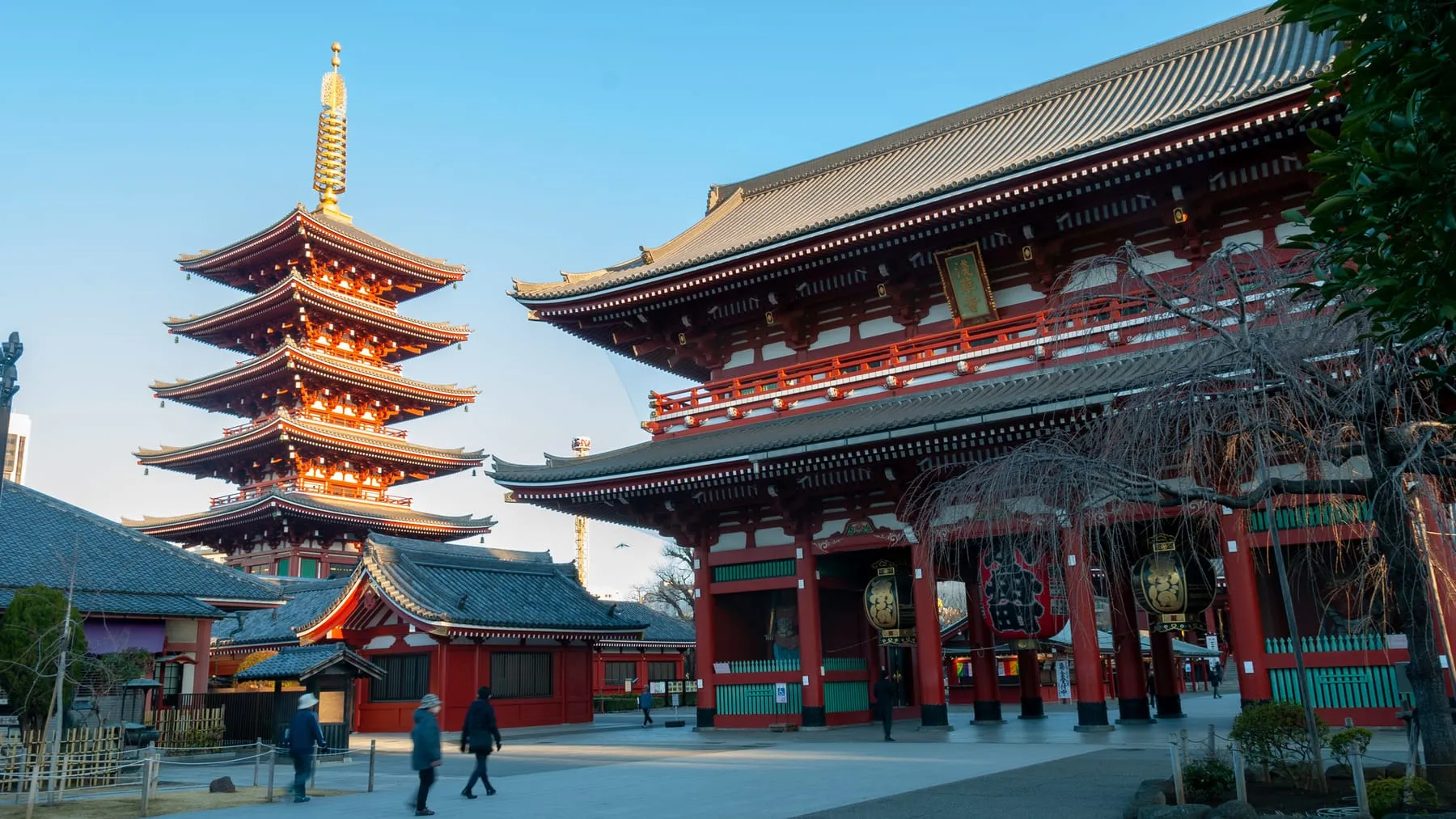
Asakusa is the Tokyo of postcards. GO TOKYO centers it on Senso-ji, reached through the Kaminarimon gate with its giant red lantern and the stalls of Nakamise, with the Sumida River and the Tokyo Skytree across the water. Hotels here usually cost less than in Shinjuku or Ginza, and the area is calm at night.
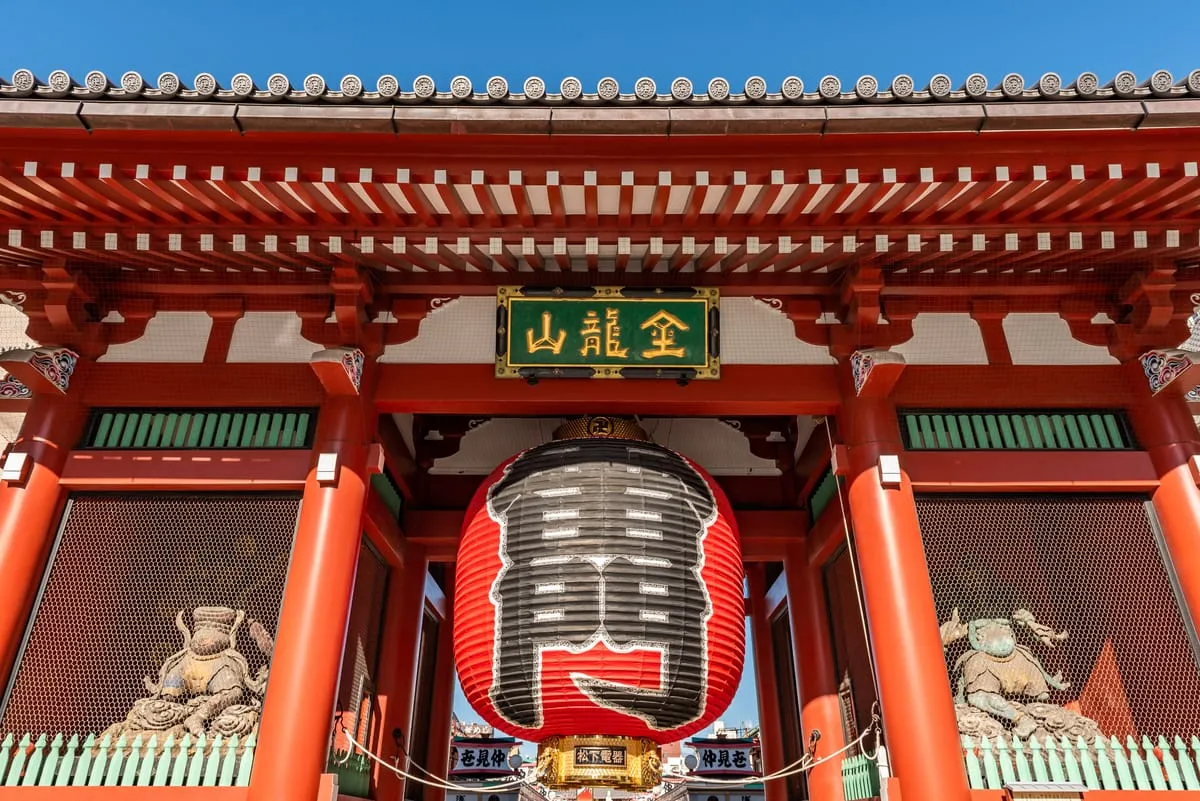
Asakusa Station is served by the Ginza, Toei Asakusa and Tobu Skytree lines. Arriving at Narita, Keisei’s Access Express runs to Asakusa in about 50 minutes for ¥1,290 (about $8), the cheapest train into the city, and some Keikyu trains from Haneda run straight through on the Toei Asakusa Line.
The trade-off: Asakusa isn’t on the Yamanote Line. Shibuya is about half an hour away on the Ginza Line, and Shinjuku takes a change. If you’ll spend most evenings on the west side, stay there instead.
Where to stay:
- Best overall: The Gate Hotel Kaminarimon is on Kaminarimon street, near the gate itself, with a 13th-floor lobby, a guest-only rooftop terrace and 134 rooms. Some rooms have balconies over the street.
- For Skytree views: Asakusa View Hotel offers rooms facing the city or the Skytree and is about an 8-minute walk from Tawaramachi Station on the Ginza Line.
Senso-ji is busiest from late morning, so staying here means you can walk over before breakfast.
Ueno: best for Narita arrivals, museums and families
Ueno is the practical choice for anyone landing at Narita. The Keisei Skyliner reaches Keisei Ueno in 41 minutes for ¥2,580 (about $16), or ¥2,310 online, according to Keisei. Ueno Park holds the Tokyo National Museum, the zoo and several art museums, and the Ameyoko market street runs under the tracks to the south. JR Ueno Station is on the Yamanote Line, and Asakusa is three stops away on the Ginza Line.
The trade-off: Ueno is a working neighborhood, and some streets around the station are scruffy. Evenings are about cheap eats rather than cocktail bars.
Where to stay:
- Best overall: Nohga Hotel Ueno Tokyo, in Higashi-Ueno, a short walk east of the station, is a 130-room design hotel with a bistro and a 24-hour gym. Its listing offers extra beds for a fee, useful for a family of three.
Other neighborhoods worth considering
- Shinagawa works for a short stay between flights and trains: Keikyu trains reach it from Haneda in about 11 minutes, and it’s a shinkansen stop.
- Roppongi and Akasaka suit travelers who want art museums and late nightlife but don’t need the big rail hubs.
- Ikebukuro is a cheaper hub on the northwest side of the Yamanote loop, with plenty of chain hotels.
- Maihama, outside the center, is where to stay if Tokyo Disney Resort is the main event.
Which Tokyo neighborhood should you choose?
- First trip, mixing sightseeing and nightlife: Shinjuku.
- Mostly shopping, cafés and fashion: Shibuya.
- Riding the shinkansen to Kyoto early, or on a big budget: Ginza or Tokyo Station.
- Traditional atmosphere and lower rates: Asakusa.
- Landing at Narita late, or traveling with kids who want the zoo: Ueno.
- Day trips to Mount Fuji or Hakone: Shinjuku, where the Fuji buses and the Odakyu trains to Hakone leave.
Splitting a longer stay works well: three nights in Shinjuku or Shibuya, then two in Asakusa or near Tokyo Station before the shinkansen. Our 3 days in Tokyo itinerary is planned area by area, so it works from any of these bases.
How much is the hotel tax in Tokyo?
Tokyo charges ¥100 or ¥200 (about $0.60 or $1.30) per person per night on rooms costing ¥10,000 or more per person, and nothing below that. The tax is based on the room rate per person. Hotels add it at check-in or checkout. These are the bands in force through March 2027, as reported by SoraNews24 from the Tokyo Metropolitan Government’s announcement.
| Room rate per person per night | Tax per person per night |
|---|---|
| Under ¥10,000 (about $63) | None |
| ¥10,000 to ¥14,999 (about $63 to $95) | ¥100 (about $0.60) |
| ¥15,000 (about $95) and up | ¥200 (about $1.30) |
So a couple in a ¥30,000 (about $190) double pays ¥200 each, or ¥400 (about $2.50) a night. From April 2027 the city has announced a switch to a 3% tax on stays above ¥13,000 per person per night, so that same room would cost about ¥900 a night in tax. Kyoto’s tax is much steeper, from ¥200 to ¥10,000 per person per night since March 2026, so budget for it if you’re heading there next.
Before you book: tips for US travelers
- Rooms are small. Standard doubles in Tokyo are often much smaller than US hotel rooms, and a “semi-double” bed is narrower than a US full. If you’re two adults with big suitcases, book a twin or a larger room category.
- Check-in is usually 3 pm, check-out 11 am or noon. Most hotels will hold your bags if you arrive early.
- Bring your passport to check-in. Hotels copy foreign guests’ passports. US citizens can visit Japan for up to 90 days without a visa, per JNTO.
- No tipping. It isn’t expected at hotels or restaurants.
- Get a transit pass for the subway. The Tokyo Subway Ticket, 24, 48 or 72 hours covers all Tokyo Metro and Toei lines, which helps most if you stay in Asakusa, Ginza or Ueno.
- Stay connected from the airport. You’ll need maps from the moment you land, and US carriers’ day passes add up: Verizon’s TravelPass and AT&T’s International Day Pass cost $12 a day per line. An Airalo eSIM for Japan installs before you fly; use code GUIDEZ15 at checkout if you’re new to Airalo, or GUIDEZ10 if you’ve bought from them before. Our Japan eSIM vs pocket Wi-Fi comparison explains the options.
Book the hotel first, since the best-located rooms go early for cherry blossom season (our 2027 cherry blossom guide has Tokyo’s average bloom dates) and the fall foliage. If the long flight isn’t booked yet, a Tokyo flight and hotel package on Expedia prices both together, which is worth comparing with booking them separately. Then match it to the right airport train with our Narita and Haneda to central Tokyo guide. Heading west after Tokyo? Our Nara day trip guide and 2-week Japan itinerary cover what comes next. For more hotel ideas from someone who has stayed in them, open Omer in Japan’s map of the best hotels in Japan on Guidez, which is in Hebrew.